

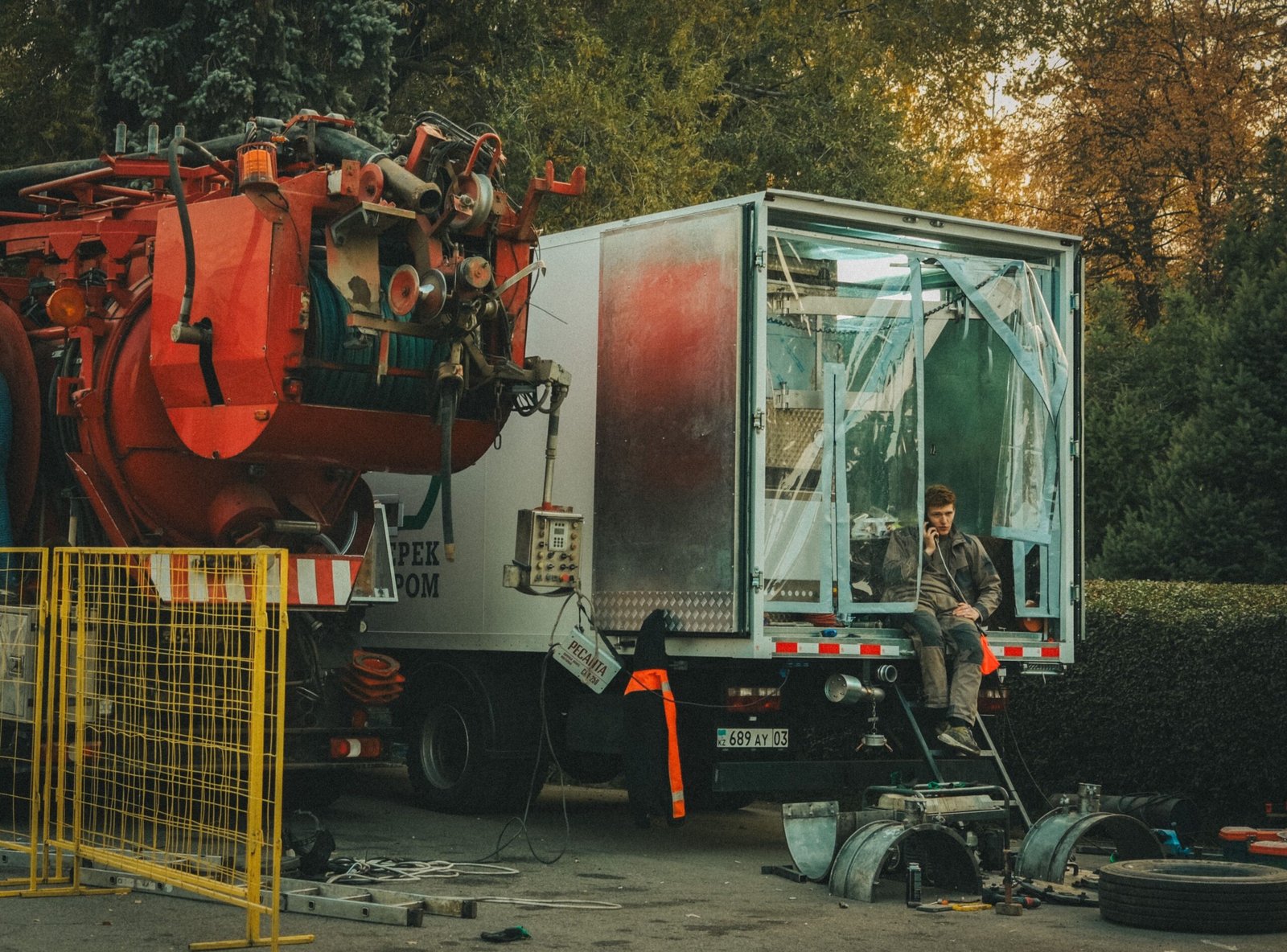

Vehicles carrying tools, parts and dirty equipment put extra pressure on their interiors. Drivers move between a job, the vehicle and a worksite, bringing dust, grit, moisture and occasional grease into the cabin. Even when equipment is secured in the cargo area, repeated entry and exit can wear the seat bolsters and transfer grime onto the upholstery. Choosing seat covers for vehicles carrying tools starts with protecting the cabin while keeping it safe and easy to manage.
Why work vehicles carrying tools need practical seat protection
Trade and service teams often work to tight schedules. A technician may climb into a bakkie after handling a part, a plumber may return from a dusty site, or a maintenance crew may share a vehicle across shifts. Those repeated transitions create wear at the seat edges, seams and other high-contact points. Dirty equipment also makes it more important to keep cargo and people separated properly.
Tools should be stored in suitable compartments or secured in the load area, not left loose on a seat. Seat covers help protect upholstery from normal workday transfer, but they do not replace safe cargo storage or routine vehicle care.
What to look for in seat covers for vehicles carrying tools
- Accurate seat fit: Confirm the vehicle make, model, year and exact seat layout. Covers should stay orderly during frequent entry and exit and protect the areas that see the most contact.
- Durable construction: Ask about materials and stitching for regular commercial use, abrasion and frequent cleaning. Match the choice to the work rather than assuming the heaviest option is always best.
- Cleaning practicality: Check how to remove dust, grime and ordinary marks. Clear care instructions help drivers and wash-bay staff clean without damaging the surface.
- Useful coverage: Review the seat base, backrest, bolsters and headrests. Identify where clothing, tool belts or workwear usually rub against the seat.
- Safety compatibility: Confirm that belts, controls, armrests, seat-mounted airbags and other features remain usable and unobstructed.
- Business presentation: Choose a finish that suits whether the vehicle visits customers, industrial sites or both. A consistent appearance helps a fleet look maintained.
Match the cover to the trade and route
Different trades create different cabin conditions. Electrical service work may bring dust and small parts, while mechanical maintenance can involve oily workwear. Construction teams may return with grit and moisture, and mobile technicians may spend long hours driving between calls. Review the most common exposure for each vehicle group and use that information to compare materials and care requirements.
Vehicles carrying tools that are shared by several workers may need a simple standard for cleaning and handover. If drivers know where equipment belongs and how to tidy the cabin, seat covers can be part of a practical routine instead of the only line of defence.
Why custom fit matters for commercial bakkies and vans
Loose covers can move during repeated use, bunch near the seat base or leave high-contact upholstery exposed. Custom-fit covers are shaped for a specified seat configuration and help create a more stable finish when installed correctly. This matters in work vehicles carrying tools because drivers often get in and out several times per shift.
Before ordering, share accurate vehicle details and mention split benches, integrated headrests, armrests, seat controls or unusual seat variations. Ask the supplier to confirm fit and installation requirements. If a seat has an airbag or other safety feature, confirm compatibility before fitting and follow the vehicle maker’s instructions.
Keep tools, cargo and the cabin organised
Seat protection works best alongside good load-area habits. Store parts and equipment in appropriate boxes, racks or secured compartments. Keep sharp items and liquids away from the passenger area, and avoid placing heavy objects where they could move during travel. A clear separation between the cabin and cargo also makes it easier to clean the seats and spot damage early.
At the end of a job, remove loose debris, wipe marks according to the cover’s care instructions and check that the cover has not shifted. Report loose seams or damage promptly so the vehicle can be assessed before the issue worsens.
Frequently asked questions
Will seat covers protect seats from every tool or spill?
No. Covers help protect upholstery from everyday contact and transfer, but tools and liquids still need to be secured and handled safely. Follow the care guidance for the cover and clean spills promptly.
Do tools need to touch the seat to cause wear?
No. Work clothing, grit, repeated movement and frequent entry can cause wear even when cargo stays in the load area.
Are universal covers suitable for work bakkies?
Check fit and seat features carefully. A cover designed for the vehicle’s seat can sit more neatly and protect intended areas more consistently than a loose generic fit.
How should a team clean covered seats?
Use the supplier’s material-specific instructions, remove loose dirt and treat marks promptly. Avoid harsh cleaners or soaking unless explicitly approved.
Choose a cover that suits daily trade work
The best seat covers for commercial vehicles carrying tools, parts and dirty equipment combine durable everyday protection, a secure fit and manageable cleaning. Consider the trade, route, shared-use pattern and seat features before choosing. Pair the covers with sensible equipment storage and a short cabin-care routine to keep the vehicle more comfortable and presentable through busy workdays.
For a vehicle-specific recommendation, contact Stealth Seat Covers with your vehicle and seat details.
For guidance on seat-mounted airbags, review the vehicle maker’s instructions and relevant safety guidance. The U.S. National Highway Traffic Safety Administration discusses seat cushions and side airbags in its seat cushion and side-airbag interpretation. This is a U.S. reference; South African operators should follow local requirements and the vehicle manufacturer’s guidance.