

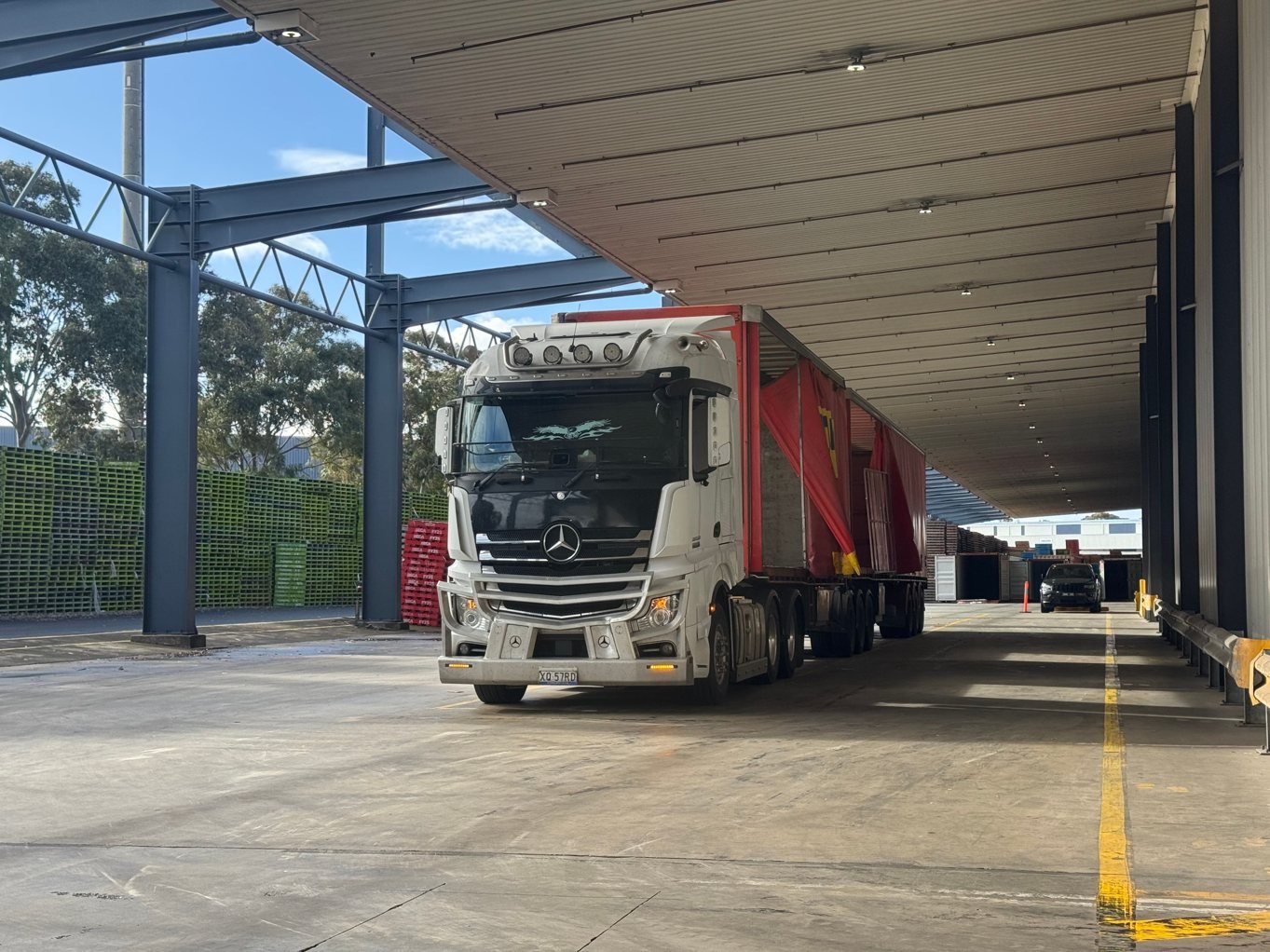
Truck fleet seat covers in South Africa help protect working cabs from the repeated friction, dust, spills and long hours that come with commercial transport. For freight operators, logistics companies and owner-drivers, custom-fit covers make seats easier to maintain while keeping the interior presentable through demanding schedules.

Truck seats take daily wear from drivers getting in and out, dusty clothing, food and drink, paperwork, tools and shared use across shifts. That gradual wear can make a relatively sound vehicle feel tired. Protecting the original upholstery early gives a fleet a more manageable surface and helps keep the cab work-ready.
Truck Fleet Seat Covers for Commercial Transport
Truck fleet seat covers help freight and logistics operators protect busy cabs while keeping a consistent standard across working vehicles. A custom recommendation should account for each truck’s seat shape, driver routine, loading environment and cleaning schedule. This is why businesses comparing truck fleet seat covers should consider the work pattern first and the finish second.
Which truck fleets benefit most?
Long-haul trucks, regional distribution vehicles, tippers and support units all spend substantial time on the road or at loading areas. Their seats face repeated pressure in the same places: the driver’s seat base, side bolsters and backrest. Shared vehicles may also be used by drivers with different workwear and routines. A cover should suit the actual seat and the way the truck is used.
Fleet buyers should consider how often drivers enter and leave the cab, whether vehicles carry tools or paperwork, how frequently the interior is cleaned and whether the truck is client-facing. These details help identify whether a work-focused finish or a more refined fleet presentation is the better fit.
Choose materials for the work
Material choice depends on the demands placed on each vehicle. Hard-wearing Riptech ripstop and easy-clean synthetic polyester can suit many commercial applications where abrasion resistance and practical cleaning matter. Selected executive fleet vehicles may call for a more refined finish. No single material is right for every truck, so the choice should reflect its workload and the condition of its cab.
Consider dust, grease, moisture, workwear, hours behind the wheel and cleaning routines. A practical material is one that fits the seat, suits daily use and can be maintained in the business’s normal operating conditions.
Why custom-fit covers suit truck cabs
Generic covers can shift, bunch or leave parts of the seat exposed. Movement can create rubbing and an untidy appearance, especially when drivers climb in and out repeatedly. Custom-made covers are planned around the seat shape and its features, helping the finished cover sit more securely and protect the areas that see regular contact.
Fitment matters alongside material. A properly fitted cover looks deliberate and is easier to live with during long shifts. Stealth Seat Covers manufactures custom covers and fits them at its premises in Polokwane. Professional fitment helps ensure the cover follows the seat shape and works with the intended use.
For model-specific options and fitment, see our custom truck seat covers in Polokwane.
Plan a consistent fleet standard
When several trucks need protection, a consistent material and fitment approach can simplify maintenance and replacement planning. The fleet may include long-haul units, regional delivery trucks and management vehicles, each with different priorities. Separating vehicles by role helps avoid over-specifying some cabs and leaving others under-protected.
Before requesting a quote, prepare each vehicle’s make, model and seat configuration. Note how it is used, which areas wear first, the preferred finish and whether the fleet needs a uniform appearance. These details give Stealth a clearer basis for recommending a practical solution.
Protecting the cab over the long term
Seat covers cannot remove every operating cost or prevent all wear. They can, however, help shield original trim from everyday dirt and friction, make routine cleaning more manageable and support a tidy cabin. In a fleet, preventing avoidable deterioration across several vehicles can be more practical than arranging cosmetic repairs one truck at a time.
A neat interior also supports a professional standard for drivers, clients and staff. The useful choice balances fit, durability, cleaning and presentation, rather than focusing on price or colour alone.
For seats with side airbags, confirm that a cover is compatible with the truck’s seat and will not obstruct airbag deployment. The NHTSA air bag safety guidance explains general airbag safety considerations.
Coordinate fitment around fleet schedules
Truck availability is a practical part of any fleet upgrade. Group vehicles by seat configuration and operating role, then arrange fitment when trucks are already returning to the depot or scheduled for service. This can help managers plan the work without disrupting dispatch more than necessary. Confirm the required vehicle details in advance, especially where cabs have been replaced or modified.
After fitting, ask drivers to report any movement, loose edges or changes in seat adjustment. Keep the fitment and fabric information with the vehicle record so the next replacement or cleaning cycle follows the same specification. When a cover needs attention, arrange inspection promptly rather than allowing a loose section to rub against the original upholstery.
Keep seat protection compatible with safety equipment
Before a truck returns to service, confirm that belt access, controls and seat adjustments remain clear. Where a seat includes a side airbag, use a cover designed and fitted to work with that feature, and follow the vehicle manufacturer’s instructions. A cover should protect the upholstery without interfering with the driver or safety equipment.
Frequently asked questions
Why choose custom truck seat covers instead of generic covers?
Truck seats and work patterns vary. Custom-fit covers are made for the seat shape and intended use, which helps reduce shifting and improve coverage of high-contact areas.
Can seat covers help keep a truck cab easier to clean?
A suitable cover provides a practical surface for routine cleaning and helps protect the original upholstery from dust, spills and daily workwear contact. Follow the care guidance for the selected material.
Which materials suit a working truck fleet?
Riptech ripstop and easy-clean synthetic polyester are practical options for many commercial vehicles. The right selection depends on abrasion, cleaning needs, hours of use and the appearance required.
Can a fleet use a consistent cover style across different trucks?
Yes. A fleet can set a consistent material or finish standard while accounting for differences in vehicle seats and roles. Vehicle details help plan fitment and future replacements.
Where are Stealth Seat Covers fitted?
Stealth Seat Covers carries out fitment at its premises in Polokwane, South Africa. Share the vehicle make, model and seat configuration when discussing a fleet requirement.
Discuss truck fleet seat covers with Stealth
Protect the seats in your freight, logistics, distribution or support vehicles with covers selected for the way your trucks work. Contact Stealth Seat Covers to discuss custom-fit options, material choices and professional fitment in Polokwane, or read about our truck seat cover service.