


Quick answer: taxi and shuttle seat covers
Taxi and shuttle seat covers for Gauteng fleets should match the exact seat layout, passenger turnover, shift length and cleaning routine. Record each make, model, year and seat configuration, then confirm compatibility with controls and side airbags.
Follow the vehicle maker’s instructions and review NHTSA airbag safety information before selecting a cover.
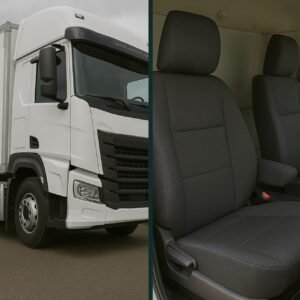
Taxi and Shuttle Seat Covers in Gauteng: Fit and Care
Taxi and shuttle seat covers in Gauteng should be chosen for the exact vehicle, seat layout, passenger turnover and cleaning routine. Covers can help reduce direct wear on factory upholstery, but fit and material performance vary.
Check specifications rather than assuming a cover is waterproof or suitable for every seat.
Operators should confirm compatibility with headrests, seat controls and side airbags. For a fleet, specify taxi and shuttle seat covers by vehicle and seat layout. Record the make, model, year and configuration before requesting a quote so the right covers can be checked.
Stealth Seat Covers makes custom-fit covers for a range of vehicles. Fitment takes place at its premises in Polokwane, so transport operators should confirm availability, pricing and fitment arrangements before travelling. Browse the seat-cover range.
Taxi and Shuttle Seat Covers: What to Compare
The first reason this topic matters is the pressure created by constant passenger turnover, spills, dust, luggage contact, repeated cleaning and long hours of continuous road use.
In Gauteng, high-use vehicles are often moving from one stop to the next with barely enough time for proper cabin cleaning in between.
The driver’s seat takes most of the punishment, but passenger areas also wear down quickly where people slide in and out, place gear on the seats or carry dirt and moisture into the vehicle.
Without protection, that repeated stress eventually shows on the original trim. The second reason is professional presentation. Many business and transport vehicles are seen by staff, passengers, supervisors or clients every day.
A worn, dirty or untidy interior can make a vehicle feel older and less cared for than it really is. Good seat covers support a cleaner and more controlled environment.
That matters not only for appearance but also for morale, passenger impression and the long-term value of the vehicle itself.
What Taxi and Shuttle Seat Covers Need to Handle
The best covers for taxis and shuttle vehicles in Gauteng need to do several jobs at once. They need to resist repeated abrasion, stay in place properly, handle real cleaning and avoid becoming uncomfortable over long periods behind the wheel.
They also need to protect the original upholstery from the kind of gradual damage that busy Gauteng use creates. A cover that slips, stretches badly or traps dirt is not solving the problem. It is just changing the shape of it.
That is why fit matters just as much as fabric. A custom-fit cover follows the seat more closely, which usually means less movement, less bunching and better long-term protection. In high-use vehicles, movement is one of the hidden reasons cheap covers fail.
Once the cover starts shifting, the cabin feels untidy and the driver notices it every day. Better fit usually translates into better daily satisfaction as well as better protection.
Choosing Materials for Taxi and Shuttle Seat Covers
High-traffic transport vehicles need easy-clean waterproof covers that stay properly in place. Loose universal covers usually create more problems because they shift, wrinkle and wear unevenly under constant use. Material should be chosen according to daily workload, not wishful thinking.
Some buyers underestimate how much friction and dirt their vehicles actually see. Others overestimate the need for a premium appearance when the vehicle is really functioning as a hard-use work tool. For taxi and shuttle seat covers, the smart decision balances cleaning needs with appearance and daily workload.
It starts with honest expectations and realistic priorities. A useful question is this: what needs protecting most? For some owners it is resale value. For others it is easier cleaning.
For others it is maintaining a more presentable vehicle for passengers or staff. Once the answer is clear, the material choice becomes easier.
The best cover is the one that continues doing its job months from now when the novelty has disappeared and the real pressure of Gauteng use remains.
Common Mistakes When Choosing Taxi and Shuttle Seat Covers
A common mistake is buying purely on price. Cheap covers can look acceptable on day one and then disappoint quickly because they move, wrinkle, expose key wear points or become irritating to clean.
Another mistake is buying a universal set without considering how hard the vehicle is really worked. In high-use Gauteng environments, a poor fit is not a small issue. It becomes obvious quickly and can make the cabin feel worse instead of better.
Another mistake is choosing a cover that only suits one part of the job. A vehicle may need to handle both a professional impression and hard daily use. It may need to cope with multiple drivers or passengers.
It may need to stay easier to clean because downtime is expensive. The correct cover decision should reflect the full reality of the vehicle, not just one attractive selling point.
Typical Gauteng Use Cases
In practical terms, the cover choice should support minibus transport, private shuttle services, staff transport and school-run vehicles. These are not niche edge cases in Gauteng. They are ordinary commercial and daily-use realities.
That is why the best seat cover decision usually comes down to durability, fit, ease of cleaning and overall presentation. Those four factors consistently matter more than flashy marketing language or generic promises.
A buyer who plans around those realities is much more likely to choose correctly. Good seat protection supports the vehicle’s actual job. It helps the cabin stay cleaner, keeps the original trim in better condition and reduces the stress of high-use driving.
Over time, that becomes easier to appreciate than a short-term bargain that never really fitted the vehicle properly in the first place.
Why Stealth Seat Covers Makes Sense
Stealth Seat Covers makes sense in this space because the value is tied to proper custom fitment at Stealth’s premises in Polokwane and a more practical understanding of what South African vehicles deal with.
The product is not strongest when it is treated like a novelty. It is strongest when the buyer wants a result that stands up to repeated use and still looks intentional once fitted.
That matters more in Gauteng because vehicles are used hard and seen often. For businesses and serious vehicle owners, the real test is whether the cover continues to make life easier after the first month.
A good cover should reduce stress around dirt, friction and presentation. It should make the cabin feel more manageable, not more awkward.
When buyers choose the right material and fit for the job, the seat cover becomes a practical long-term decision rather than an experiment.
Maintenance Expectations
Maintenance still matters. Even the best cover performs better when cleaned regularly and treated as part of the vehicle’s operating routine.
In Gauteng, that usually means wiping down surfaces before grime builds up, managing spills early and checking the cabin before minor issues become major stains or wear patterns. Sensible maintenance protects the cover and the upholstery underneath.
The main value of seat covers is that they absorb the routine abuse that would otherwise land directly on the original seats. That protective role becomes more obvious over time.
Months later, when the cover has taken the dirt, pressure and wear that the upholstery would have absorbed, the owner can see why the investment made sense. Prevention nearly always looks cheaper than restoration once the vehicle starts ageing visibly.
Frequently Asked Questions
What should taxi and shuttle operators compare?
Compare vehicle compatibility, passenger turnover, cleaning frequency, material specifications, comfort and fitment logistics. Provide the make, model, year and seat layout for each vehicle.
Are universal covers suitable for a taxi fleet?
Universal covers may not match the seat shape or features of every vehicle. Confirm fit for the exact make, model and seat configuration, including controls and airbags.
Are taxi seat covers waterproof?
Water resistance depends on material and construction. Check the product specification and follow the stated cleaning instructions.
Can covers interfere with seat airbags?
They can if the cover is not designed for that seat. Confirm compatibility with the cover supplier and vehicle manufacturer, and keep airbag seams and deployment areas unobstructed.
Where are Stealth covers fitted?
Fitment takes place at Stealth Seat Covers’ premises in Polokwane. Contact the company before travelling to confirm vehicle compatibility, current availability, pricing and arrangements.
Choosing Taxi and Shuttle Seat Covers for the Long Term
Taxi and shuttle seat covers should be selected for the exact vehicle, passenger use, care routine and safety features. Confirm the product specification and fitment plan before ordering for one vehicle or a fleet.
Ask About Taxi and Shuttle Seat Covers
Share each vehicle’s make, model, year and seat configuration to check fitment for taxi and shuttle seat covers. Fitment is at Stealth Seat Covers’ premises in Polokwane. Contact Stealth Seat Covers for current details.