

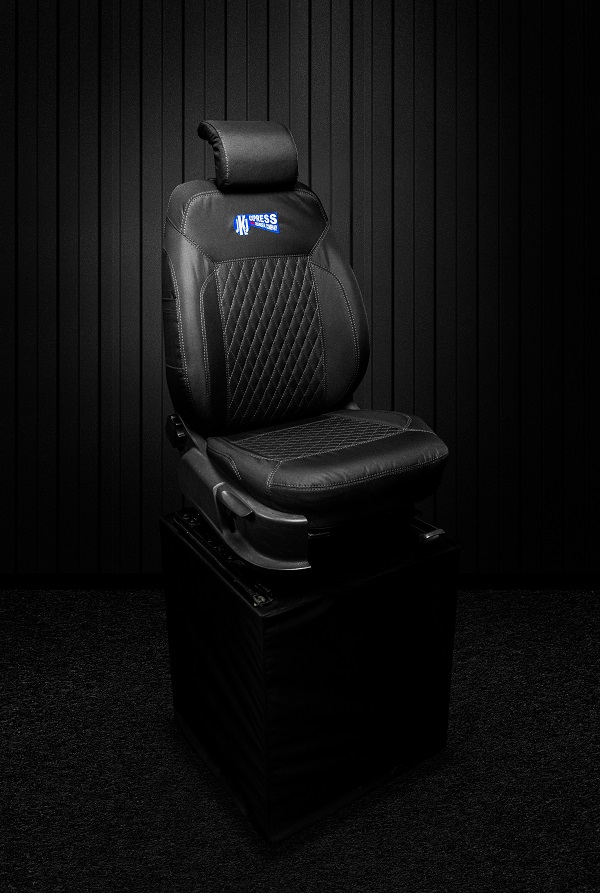
Shared fleet vehicle seat covers help protect upholstery in bakkies, crew vans and utility vehicles used by different drivers across shifts. Frequent handovers mean seats see more entry and exit, workwear, equipment and rushed cleaning. A suitable cover should fit the exact seat, stay secure during everyday use and suit the way the vehicle is maintained.

Why shared vehicles put seats under extra pressure
Every change of driver brings another set of routines into the cabin. Dusty clothing, damp gear, tools, radios and paperwork can rub against seat surfaces through a busy day. Some vehicles travel over mixed roads, sit in the sun and return to a depot for a fast clean. Friction and grime can make original upholstery look worn even when the vehicle is maintained well.
Seat protection is one part of fleet operations. Covers may help reduce direct contact with everyday dirt and abrasion, but they do not replace cleaning, inspection or proper vehicle care. Plan around actual use instead of selecting a cover by appearance alone.
Build a clear vehicle and driver specification
Before ordering shared fleet vehicle seat covers, record each vehicle’s make, model, year, trim and seat layout. Note split benches, headrests, armrests, side airbags, seat controls, belt positions and any other features that affect fitment. Vehicle seats can vary by year and trim, so keep clear photographs with the fleet record and ask the supplier to confirm the pattern.
Next, map how the vehicle is used. Record the number of drivers, shift changes, typical workwear and equipment, road conditions, passenger turnover and how often the cabin is cleaned. A pooled service bakkie may need a different care plan from a client-facing crew van, even if both are shared. Where vehicles have different seats or duties, group them separately instead of assuming one design will fit all.
What to prioritise in shared fleet vehicle seat covers
- Vehicle-specific fit: Match the cover to the exact seat shape and configuration for consistent coverage.
- Secure placement: A correct fit helps reduce shifting and bunching as drivers enter and leave.
- Practical care: Choose a material and finish that suit the work environment and follow its care instructions.
- High-contact coverage: Consider bolsters, seat bases and passenger seats that receive frequent use.
- Safety compatibility: Preserve access to airbags, belts, buckles, controls and adjustment features.
- Presentation: Consider whether the vehicle visits customers, contractors or the public.
For a larger operation, keep the approved pattern, colour, material and care guidance with each vehicle group. This gives managers a repeatable reference when a cover is replaced or a vehicle is added. See our related guide to standardising seat covers across a fleet for a practical specification approach.
Why fit and safety checks matter
Loose universal covers may move when different drivers climb in and out, leave upholstery exposed or look untidy after installation. A cover designed for the specific seat can follow its shape more closely, provided the vehicle details are correct and the fitment is confirmed.
If a seat has a side airbag, use a cover specifically designed and confirmed as compatible for that seat. Never cover, alter or obstruct an airbag seam, belt buckle or safety control. Follow the vehicle manufacturer’s guidance and ask a qualified fitment provider about anything uncertain. After installation, check that the cover remains secure and that seating position, seat adjustment and belt access are unaffected. For general seat-belt safety information, refer to Arrive Alive’s seat-belt guidance.
Set up a simple handover and care routine
A short routine helps each driver leave the vehicle ready for the next shift. Remove loose debris, report spills or damage and avoid carrying sharp or dirty equipment directly against the seat. At the depot, follow the cover’s material-specific care instructions; different finishes can require different cleaning methods. Do not use a strong product unless the supplier says it is suitable.
- Check the cover for movement during routine vehicle handovers.
- Remove grit before it works into seams or seat areas.
- Clean and dry the cover as directed for its material.
- Record damage, fitment checks and replacement details in the fleet register.
Managers can make the routine easier by placing the care instructions with the vehicle’s handover notes and identifying who reports defects. This prevents informal repairs and helps spot a repeated fitment or maintenance issue early.
Review the specification as the fleet changes
Recheck the specification when a vehicle is replaced, a seat is modified or an inspection shows recurring movement or wear. Confirm that the selected material still suits the routes, driver turnover and cleaning schedule. If vehicles operate in different conditions, use separate cover specifications where needed rather than forcing a single option across the fleet.
Stealth Seat Covers manufactures custom-fit covers for South African vehicles, with fitment available at its Polokwane premises. Businesses in Limpopo and elsewhere can share vehicle details and seat photos to discuss options for shared work vehicles. Contact Stealth Seat Covers for fitment and pricing enquiries.
Shared fleet vehicle seat covers also help managers keep specifications consistent as the fleet changes.
Frequently asked questions
What information is needed to order shared fleet vehicle seat covers?
Provide the make, model, year, trim and seat layout for each vehicle, plus clear photos and details about headrests, belts, controls and airbag locations.
Will one cover fit different vehicles in a fleet?
Not necessarily. Seat designs vary by model, year and trim. Confirm the pattern for each vehicle or clearly defined group before ordering.
How should shared fleet covers be cleaned?
Follow the care instructions for the specific material. Do not assume one cleaning product or method suits every cover.
Can a seat cover affect airbags or seat belts?
An unsuitable cover or incorrect fitment can interfere with seat features. Use a cover confirmed for the specific seat and keep airbag seams, belts, buckles and controls unobstructed.