

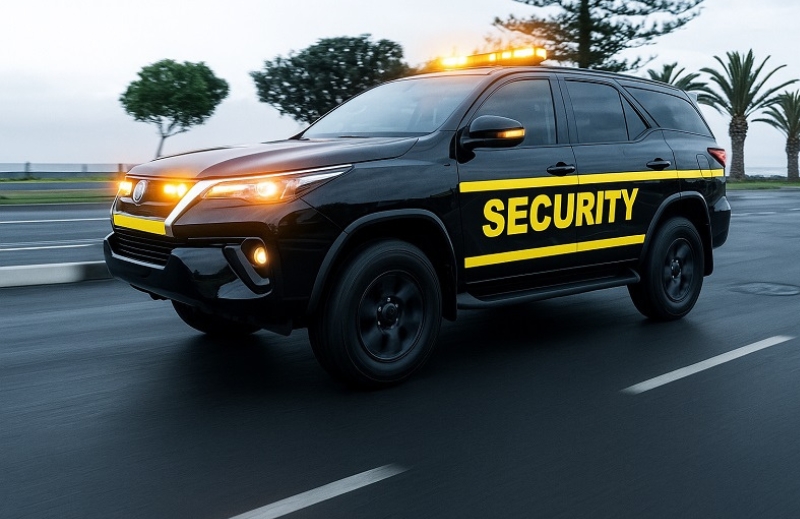
Security fleet vehicles work across long shifts, frequent stops and changing patrol conditions. Drivers and passengers climb in and out repeatedly, carry radios and other approved equipment, and may wear uniforms or protective gear that rubs against seat edges. Dust, mud and routine spills add to the daily load. Custom seat covers for security fleet vehicles in South Africa can help protect serviceable upholstery, support easier cabin care and maintain a consistent presentation across patrol, response and guard transport vehicles.

Why security fleet interiors need a plan
Security fleet vehicles may be in near-continuous use, with different team members sharing them across shifts. A patrol vehicle may be assigned to one team, while response or guard-transport units see different patterns. That makes repeated contact and cleaning routines important considerations. Wear usually builds gradually along bolsters and seat edges as occupants enter and exit. Equipment bags, belts, paperwork and other work items can also brush against seat surfaces. Loose grit carried into the cab can increase abrasion during movement.
Well-maintained interiors can support a professional appearance for staff and the public. Seat covers can provide a protective layer over sound upholstery, but they are not a repair for torn seats and do not replace fleet cleaning or equipment procedures. Check the seat condition before selecting a cover and set a regular inspection routine.
Security fleet vehicles: fit and daily-use checks
Security operators may use patrol cars, armed response vehicles, supervisor SUVs, guard transport vehicles or a mixed fleet. Consider the number of shifts, typical route conditions, storage arrangement and cleaning frequency for each type. A response vehicle with frequent crew changes may need a different material and care plan from a supervisor vehicle that meets clients.
- Frequent shift changes: plan how the cover will be checked and cleaned between users.
- Protective clothing: consider contact points where uniforms or body-worn gear may rub against the seat.
- Patrol routes: account for dust, mud and repeated entry and exit.
- Equipment storage: secure bags and radios so they do not scrape or snag the cover.
Select materials for daily care
When choosing seat covers for security fleet vehicles, compare the actual shift pattern and route conditions rather than relying on a generic “heavy-duty” label. Confirm how the fabric should be cleaned, whether the pattern suits each seat and how replacement units will match the rest of the fleet.
A durable synthetic polyester blend may suit routine commercial use and wipe-downs. For tougher conditions, ripstop-style options may be worth discussing. The right choice depends on the environment and cleaning routine, so confirm the material’s care instructions before adopting a fleet standard. Remove loose grit before wiping, clean spills promptly and inspect fastenings and seams during scheduled vehicle checks.
After fitment, confirm that seat belts, airbags, seat adjustments and other controls remain clear and function as intended. A cover should work with the actual seat layout and remain properly positioned during normal use.
Why custom fit matters in patrol vehicles
Vehicle seats vary by make, model, year, trim and specification. Integrated belts, headrests, armrests and adjustment controls affect the pattern needed for a secure fit. Generic universal covers can shift, bunch or leave high-contact areas exposed, especially when a vehicle sees frequent use. Custom-fit covers account for the actual seat and can help create a cleaner, more deliberate finish across a fleet.
When requesting fitment advice, share the vehicle make, model, year, body style, seat features and clear photographs. Identify any differences within the fleet so each seat layout can be confirmed before ordering.
Keep the fleet consistent
For a consistent security fleet interior, record the vehicle model, seat layout, material, colour and care instructions for each unit. If several patrol vehicles share the same pattern, plan a routine inspection for loose fasteners, open seams or shifting covers. This makes follow-up easier for supervisors and fleet coordinators.
Fleet coordinators can simplify replacement orders by recording each vehicle’s seat configuration, approved material and colour, care routine and fitment notes. Reviewing those records during vehicle replacement helps keep patrol and guard transport interiors to a consistent standard. Regular inspections also give teams a chance to identify covers that have shifted or need attention.
Security fleet fitment in Polokwane
Security teams should also follow their organisation’s vehicle-use and equipment procedures. The South African Police Service vehicle safety guidance covers general safe conduct around vehicles.
Stealth Seat Covers makes custom-fit covers for South African vehicles, with fitment available at its premises in Polokwane, Limpopo. Learn more in our fleet seat cover guide and commercial vehicle information.
Frequently asked questions
Are custom covers useful for security fleet vehicles?
They can help protect serviceable upholstery from regular contact, dirt and wear while supporting easier cabin care and a consistent appearance.
What material suits patrol vehicles?
Choose based on route conditions, shift use and cleaning requirements. Discuss the vehicle’s workload and follow the selected material’s care instructions.
Can covers support quicker vehicle turnover between shifts?
A suitable, maintained cover can make routine surface care more manageable. It does not replace the operator’s cleaning and equipment procedures.
Why are custom-fit covers preferable for response vehicles?
They are made for the seat’s shape and features, helping reduce shifting and exposed areas during frequent daily use.
Discuss custom fitment
Share your vehicle and seat details when you Contact us to discuss materials and fitment for your security fleet.