

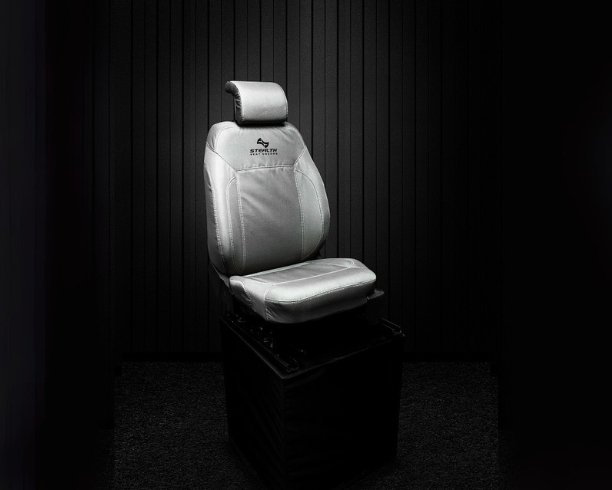
Reducing interior replacement costs starts with controlling everyday wear before original upholstery becomes damaged or difficult to maintain. In a working fleet, custom seat covers can help shield high-contact areas, simplify routine cleaning and delay refurbishment decisions. Their value depends on the vehicle, its seat layout, the way the team uses it and how consistently the covers are maintained.

Why commercial seats wear sooner
Interior replacement costs vary with vehicle type, seat construction, labour and the extent of damage. A cover cannot remove those costs entirely, but it can help protect upholstery from predictable day-to-day contact when it is correctly fitted and cared for. Early attention to wear also gives managers more options than waiting until the seat is torn or heavily stained.
Drivers repeatedly enter and leave the cab carrying tools, paperwork, radios or safety equipment. Dusty workwear, grit, damp clothing and friction place pressure on seat bases and side bolsters. Shared vehicles add more variation because drivers adjust the seat and move differently through the day. A mechanically sound vehicle can still look tired if its cabin receives little protection.
Replacing worn upholstery takes planning and adds cost, while a neglected interior can undermine a vehicle’s presentation. A seat-cover plan gives fleet managers a practical way to address wear before damage spreads. It should complement normal cleaning and maintenance rather than replace them.
Track interior replacement costs through inspections
Fleet managers can compare interior replacement costs more clearly by documenting seat condition during regular vehicle checks. Note wear at the bolsters, seams and seat base, record the vehicle’s duty and cleaning routine, and flag damage that needs repair. Consistent notes help identify patterns across teams and make it easier to plan refurbishment instead of reacting to a sudden failure.
When reviewing the cost of a seat-cover programme, consider cover fit, expected use, cleaning requirements and replacement planning together. The purchase price is only one part of the decision; maintenance time and how well the cover protects the seat also matter.
Compare total use, not just the first price
When comparing options, consider how well the cover matches the vehicle, whether it stays in place, how much upholstery it protects and how it can be cleaned. A low initial price may not be good value if the cover shifts, wears quickly or leaves high-use areas exposed. A suitable cover should balance fit, stability, durability and the fleet’s presentation requirements.
- Fit: Confirm the exact make, model, year, trim and seat configuration, including headrests, split seats, armrests and controls.
- Coverage: Identify entry points, side bolsters and seat bases that receive the most repeated contact.
- Care: Follow the material’s cleaning instructions and the fleet’s normal cabin routine.
- Use: Match the finish to exposure such as dust, tools, uniforms, passengers or frequent cleaning.
- Safety: Make sure seat belts, airbags and seat adjustments remain accessible and function as intended.
Use a consistent cleaning and fitment standard
Good care helps a cover continue doing its job. Follow the material instructions, remove loose grit before wiping and check for movement or exposed seat areas during routine handovers. If a cover shifts or bunches, arrange a fit check rather than repeatedly adjusting it without resolving the cause.
Confirm the vehicle make, model, year, seat layout and fitted features before ordering. After installation, ensure seat belts, controls and safety features remain accessible and operate as intended. Store the approved cover specification and fitment details so replacements match the correct vehicle.
How custom fit supports a longer-term plan
Universal covers can bunch, move or leave sections of the original seat exposed when they do not match its shape. That can create extra adjustment and make a vehicle look untidy. Custom-fit covers are made for a specified seat layout, which can provide closer coverage and a steadier finish in daily service. Confirm vehicle compatibility before ordering and inspect the fit after installation and seat adjustment.
For a fleet, standardising cover choices by vehicle group also helps with replacement planning. Keep a record of each vehicle’s seat details, selected cover, colour and care guidance. This makes later orders easier to match and helps avoid choosing a cover that was designed for a different trim.
Plan around the vehicle’s full working life
Interior replacement costs should be considered alongside the vehicle’s duty cycle and expected time in service. A high-use vehicle may need more frequent inspections than a lightly used supervisor car. Managers can group similar units, set a practical care standard and review seat condition at existing service intervals.
Broader fleet checks can include the South African government roadworthiness testing guidance as a general reference for vehicle condition planning.
Keep protection practical across the fleet
Different work roles may need different finishes. A site bakkie exposed to dust and equipment may need a more utility-focused option, while a client-facing support vehicle may need a cleaner presentation. Review the actual operating conditions instead of applying one material assumption to every vehicle. Stealth Seat Covers offers custom-made covers for fleet and commercial vehicles used in South Africa.
Measure protection across the fleet
To assess whether a seat-cover programme is helping, compare similar vehicles over the same review period. Record upholstery repairs or replacement, routine cleaning time, cover fit checks and any cover repairs. Note mileage, vehicle duty and driver turnover too, because a site bakkie and a lightly used supervisor vehicle do not provide a fair comparison. This gives managers a practical record for future specification and replacement decisions without assuming that covers remove all wear or guarantee a fixed saving.
For an operation based in Polokwane or elsewhere in Limpopo, include vehicles that travel into Gauteng if they share the same fleet standard. Stealth Seat Covers manufactures custom-fit covers for South African vehicles; accurate make, model, year and seat details help match an order to each cabin.
Frequently Asked Questions
How can seat covers help reduce interior replacement costs?
They can help protect original upholstery from routine friction, dirt and repeated contact, which may delay wear-related refurbishment when matched and maintained appropriately.
Are custom-fit covers useful for shared work vehicles?
They can provide closer coverage for the specified seat layout and a more stable finish. Check that the selected cover matches the vehicle’s exact trim and remains properly fitted.
Do heavier-duty covers always look rough?
No. Businesses can compare practical protection with the appearance needed for customers, staff, inspectors or public-facing work.
What should a fleet check before ordering covers?
Record the vehicle model and seat layout, high-wear areas, cleaning needs, safety features and the role each vehicle performs.
Plan seat protection before upholstery wears through
Review vehicle use, seat configuration, cover fit and cleaning requirements before committing to a fleet standard. Stealth Seat Covers can help businesses discuss custom-made options for work vehicles. Contact the team for fitment and pricing enquiries.