

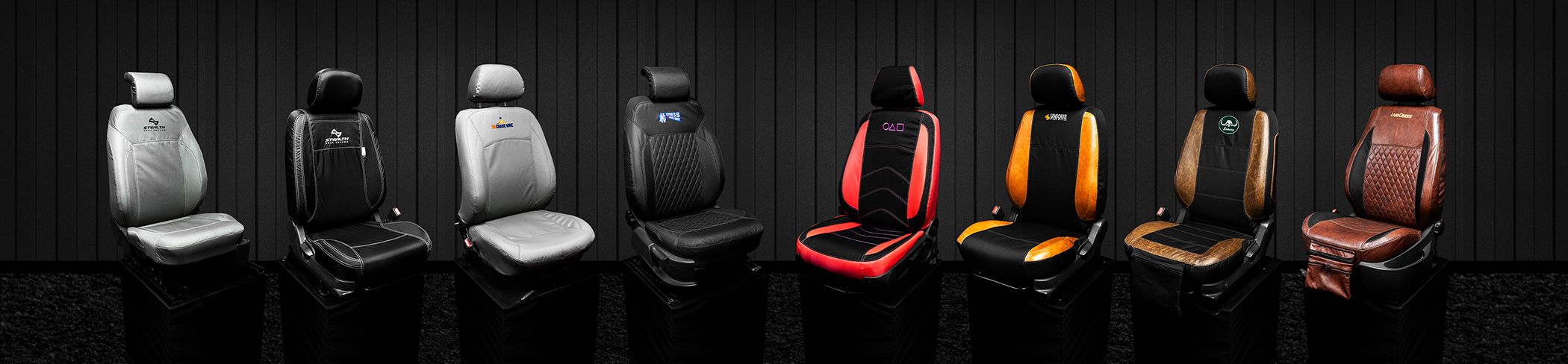
Rotating crews need shared vehicle seat covers that tolerate frequent handovers, repeated entry and exit, and varied day-to-day use. When several people rely on the same vehicle, seats face inconsistent pressure, dirt and abrasion. A suitable cover can help protect upholstery and give fleet teams a more consistent cabin to clean and inspect.
The right choice starts with the vehicle’s working pattern. A van used by two crews on rotating shifts may need a different cleaning routine and cover specification from a supervisor vehicle used by one person. Consider how many people use each vehicle, what they bring inside and how much time is available between shifts.

Why rotating crews increase seat wear
When rotating crews share a vehicle, a seat can be adjusted, loaded and cleaned differently during each handover. Repeated movement at the outer bolsters, contact with workwear and pressure from equipment can add up over weeks of service. The more frequent the changeover, the more useful it is to make seat condition part of the normal fleet check.
Different drivers enter, exit and adjust their position in different ways. A high-use vehicle may also carry boots, PPE, tools or dusty workwear into the cabin. When these small stresses happen repeatedly across several shifts, the seat fabric can wear faster and the interior can become harder to keep presentable.
Shared use can also make care less consistent. One crew may wipe down the cabin at handover, while another may not have time before the next job. The cover needs to stay stable and tolerate a realistic cleaning routine, even when users vary.
Map the vehicle’s normal shift pattern
Before comparing rotating crew vehicle seat covers, note the operating schedule and the handover process. Ask:
- How many different people use the vehicle in a normal week?
- Does it run one long shift, multiple shifts or irregular call-outs?
- How often can the cabin be cleaned between drivers or crews?
- Do workers enter with PPE, boots, tools or dirty clothing?
- Is the vehicle shared across one team or moved between work groups?
- What interior condition does the business expect at each handover?
These answers help a fleet manager choose practical fleet seat protection and set a standard that fits the work. They also make it easier to decide where a more rugged finish is needed and where a more refined option makes sense.
Help rotating crews keep cabins ready
Rotating crews need a handover routine that fits the time between shifts. Remove loose debris, flag spills or damage and check that covers remain in place before the next driver takes over. Keep instructions short and visible so each person knows what “ready for the next shift” means.
Rotating crews can also reduce seat contact with muddy clothing and tools by using designated storage for PPE and dirty equipment. That will not prevent all dust or moisture from entering the cabin, but it can reduce avoidable rubbing and make cleaning more manageable.
Prioritise durable, easy-to-manage protection
A multi-shift vehicle is rarely the place for a delicate or complicated solution. Focus on a cover that suits repeated use, can be cleaned according to the supplier’s care guidance and does not require every driver to handle it in a special way. Simplicity helps the team keep the cabin under control between jobs.
Think about the cleaning process before choosing. Who will clean the vehicle? What products or methods are approved for the cover? How much time is available during a handover? A realistic care plan is more useful than a perfect process that crews cannot follow during busy shifts.
Fit stability matters in shared vehicles
For rotating crews, a loose cover can be shifted by repeated entry and exit, so managers should check the fit after installation and during routine vehicle inspections. Confirm the seat shape, trim and fitted features before ordering; similar models may still use different seat configurations.
Loose covers can move, bunch or leave seat sections exposed. In a shared vehicle, that movement may be noticed by every driver and can make the cabin look untidy. A custom-fit cover matched to the vehicle and seat layout is more likely to sit securely and support a consistent interior standard.
When requesting a recommendation, provide the exact make, model, year and seat configuration. Note any integrated seat features or non-standard layouts so the fitment can be checked. A stable fit helps make high-use commercial seat covers more practical across repeated crew changes.
Set a simple fleet handover routine
Managers can track cabin condition through a simple log that records the date, vehicle, reported issue and follow-up action. This helps identify whether a particular route, crew or cleaning step is contributing to wear. It also provides a practical basis for planning replacements instead of waiting until a seat is visibly damaged.
General fleet-condition planning can sit alongside the cabin log. Refer to the South African government roadworthiness testing guidance for information about broader vehicle testing.
Seat protection works best when the fleet has a clear handover routine. A short checklist can ask each crew to remove loose debris, report spills or damage, and leave the cabin ready for the next driver. Keep instructions straightforward and make sure they match the available changeover time.
For multiple vehicles, record the chosen cover, seat configuration and cleaning guidance in the fleet maintenance notes. This makes replacement decisions easier and helps teams apply the same interior standard across comparable assets. Businesses can also review fleet and commercial seat-cover options when planning protection for a wider group of vehicles.
Frequently asked questions
How can rotating crews reduce cabin wear?
Use clear handover steps, store dirty gear securely, report spills promptly and check that seat covers remain properly fitted between shifts.
Why do rotating crews create more seat wear?
Different users enter, exit and apply pressure differently. Shared vehicles may also carry more dirt and see more frequent use, while cleaning habits can vary between handovers.
What matters most in a multi-shift vehicle?
Prioritise a suitable fit, durability for the vehicle’s workload and a cleaning process the team can follow between shifts. The cover should work under normal fleet conditions.
Should shared vehicles use the same cover as supervisor vehicles?
Not always. Shared vehicles may need a more practical, hard-working option, while client-facing supervisor vehicles may call for a more refined appearance. Match the cover to each vehicle’s role and use.
What is the main benefit of the right cover?
Consistency. A suitable cover and simple handover routine can help keep the cabin cleaner and make its condition easier to manage across different crews.
Protect the vehicles that work every shift
To protect seats in vehicles used across multiple shifts and rotating crews, plan around the number of users, the operating schedule and the time available for cleaning. A stable fit and a realistic maintenance routine can help reduce avoidable wear and keep shared vehicles more presentable.
For advice on covers for a work bakkie, van, taxi, farm vehicle or commercial fleet, share the vehicle and seat details with Stealth Seat Covers. For pricing, fitment enquiries or guidance, Contact us.