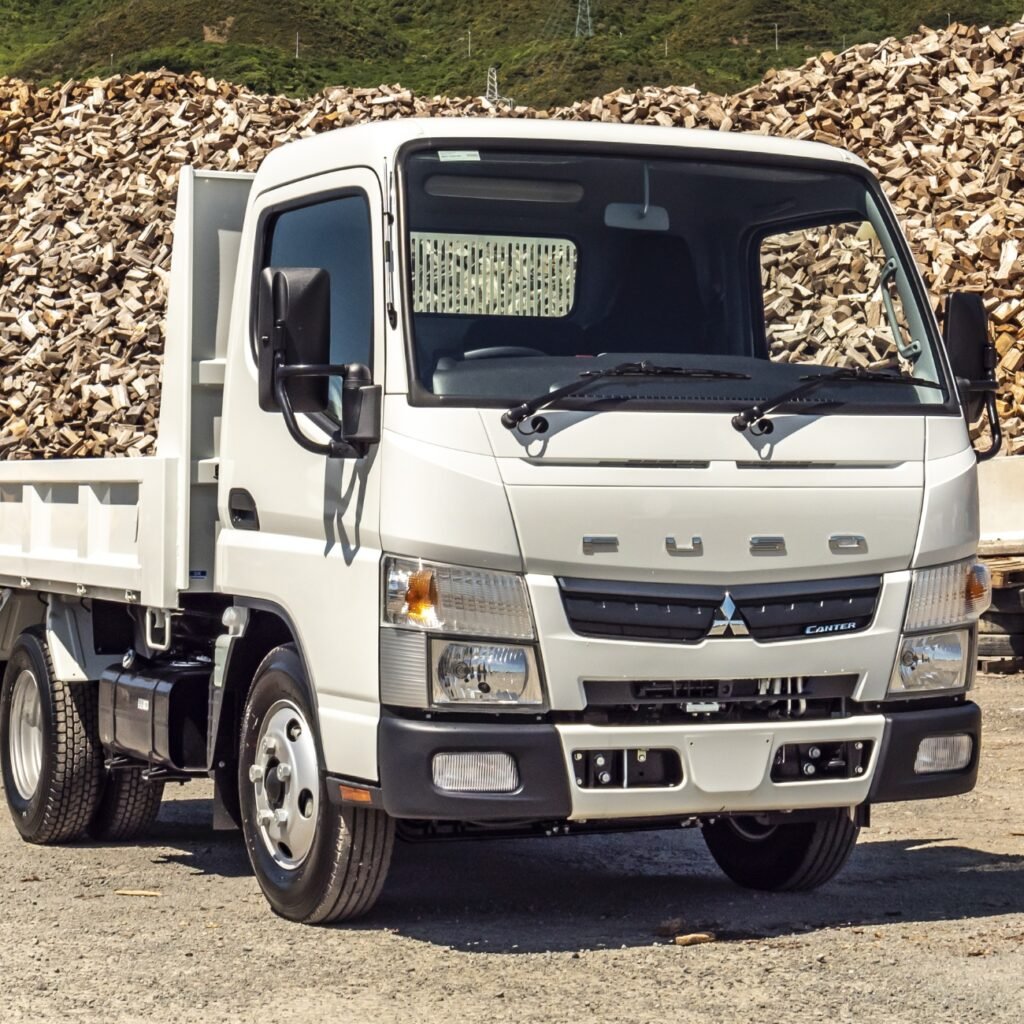
Seat covers for commercial vehicles used by supervisors, drivers and site teams should work across different users, routes and expectations. A pooled bakkie or van may carry a site crew in the morning, a supervisor between appointments later in the day, and another driver on the next shift. That changes how the cabin gets used and makes consistent seat protection and cleaning more important.
Why shared commercial vehicles are harder to manage
When several people use the same vehicle, no single driver controls the cabin’s condition. One person may travel from an office to a client meeting, while another has just come back from a dusty site. Repeated entry and exit rub the seat edges, and different workwear can transfer dust, moisture or marks to the upholstery.
These vehicles can still represent the business. Supervisors may need them to look presentable at a customer visit, while site teams need a practical cabin that can handle work clothes and frequent trips. A sensible cover helps bridge those uses, provided it fits the seat and the fleet has a clear care routine.
What to look for in seat covers for commercial vehicles
- Fit for each seat: Confirm make, model, year and layout, including split benches, integrated headrests and armrests.
- Everyday durability: Consider how often the seat is used, how many shifts share it and what kind of clothing or equipment enters the cabin.
- Simple cleaning: Select a cover with care instructions the drivers and wash-bay team can follow consistently.
- Balanced appearance: Choose a practical finish that looks orderly on a worksite and at a customer location.
- Safety compatibility: Ensure covers leave belts, controls and any seat-mounted safety features unobstructed.
- Clear ownership: Decide who checks the cabin, reports damage and resets the vehicle between users.
Set a shared-use standard
A consistent standard can reduce guesswork. Group vehicles with similar seats and duties, then decide what level of protection, cleaning and presentation each group needs. Seat covers for commercial vehicles should reflect those differences: a supervisor’s vehicle that occasionally visits a site may need a different balance from a pool vehicle used all day by a rotating crew.
Seat covers for commercial vehicles should be selected around the real duty cycle, not a generic label such as “fleet”. List the number of users, typical routes, shift changes, common contaminants and time available for cleaning. This gives procurement a clearer basis for comparing options and helps the team explain the choice to drivers.
Why custom fit helps different drivers
A loose cover may move as people get in and out, bunch near the seat base or leave high-contact areas exposed. A custom-fit cover is shaped for a specified seat and can create a more stable, finished appearance when correctly installed. That is useful where the same vehicle changes hands repeatedly during the week.
Provide accurate vehicle details and ask about seat variations before ordering. Confirm how the cover accommodates belts, headrests, armrests, seat controls and side airbags. After installation, include a quick check to make sure the cover remains in place and all seat features operate normally.
Make handovers and cleaning straightforward
Shared vehicles are easier to maintain when every user knows the same few steps. At handover, remove rubbish, return loose items to their storage place and report spills or damage. The person responsible for cleaning can use the cover’s care instructions instead of trying different products on the material.
Keep the checklist short enough to follow: check the seat surface, wipe routine marks as directed, confirm the cover has not shifted and flag anything that needs attention. For shared fleet vehicles, seat covers for commercial vehicles should be checked at handover as part of that routine. A consistent process helps the next driver start with a vehicle that is ready for the job.
Check seat safety before fitting
Modern seats can contain side airbags, sensors, adjustment controls and belt anchors. Before purchase, confirm that the cover is designed for the exact seat and preserves the intended operation of those features. After fitting, check that controls move freely, belts buckle and release correctly, and the cover does not obstruct an airbag seam. The vehicle handbook and the cover manufacturer’s installation guidance should be followed. For background on seat-cover compatibility and airbags, see the NHTSA seat-cover interpretation.
Questions to ask before ordering for a team
Record each vehicle’s make, model, year, trim and seat configuration, then note how it is used and cleaned. Ask the supplier whether the proposed cover is made for those exact seats, how to care for its material, and what to inspect after installation. This simple record helps fleet managers compare like with like and reduces the risk of ordering a cover that is unsuitable for one vehicle in a mixed fleet.
For teams in Gauteng, consider the daily route as well as the vehicle. Frequent urban stops, staff changes and time in traffic can make quick inspection and consistent cleaning especially useful. Seat covers for commercial vehicles work best when the cover choice and the handover routine are treated as one practical system.
Frequently asked questions
Should supervisors and site teams use the same covers?
They can when they use vehicles with compatible seats and similar needs. Where vehicle duties differ, group them by role and choose a suitable standard for each.
How do we keep a pooled vehicle presentable?
Use a simple handover and cleaning routine, and make it clear who reports spills or damage. Choose a cover whose care instructions are practical for the team.
Can one cover design fit every make of fleet vehicle?
Usually each seat design needs to be checked. Confirm model, year and seat features rather than assuming that a general cover fits the whole fleet.
What matters most for shared-use seat protection?
Prioritise correct fit, everyday durability, manageable cleaning and a clear process for checking the cabin between users.
Choose for people, seats and work patterns
The best seat covers for commercial vehicles used by supervisors, drivers and site teams make shared use easier to manage. Match the cover to the seat and the work, agree on a short cabin routine, and keep safety features clear. This helps the business protect its upholstery while maintaining a more consistent standard across changing users.
For a vehicle-specific option, contact Stealth Seat Covers with the vehicle and seat details.