

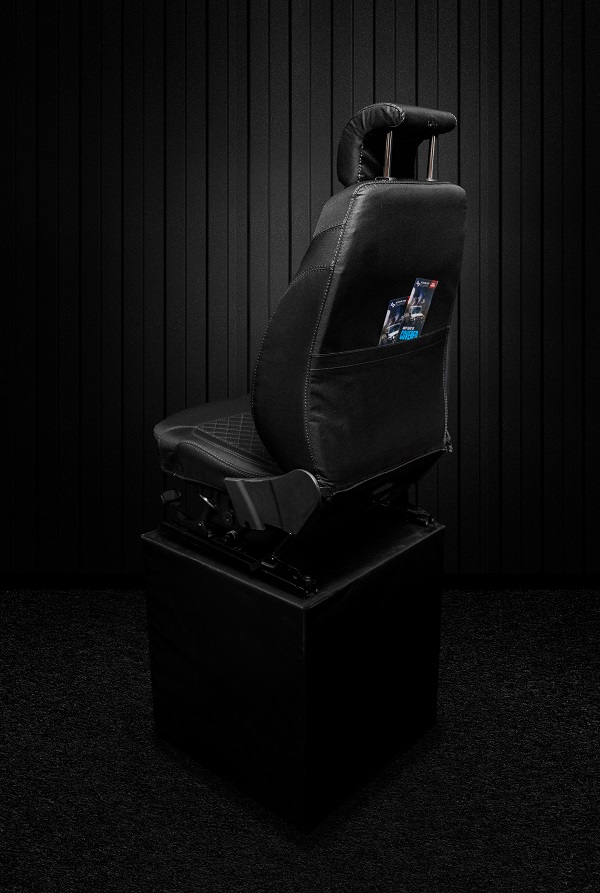
Rural service vehicle seat covers need to handle long distances, dusty roads and frequent stops across mixed routes. Maintenance bakkies, utility vehicles and mobile support teams can spend a full shift moving between depots, farms, customer sites and remote work areas. Grit, workwear, tools and repeated entry all place pressure on seat surfaces. The right protection should suit the vehicle, its daily task and the people who maintain it.

Why rural service vehicles need practical seat protection
A driver may climb in with dusty clothing, equipment, paperwork or a radio, then repeat the trip several times a day. Vehicles may sit in strong sun, travel along rough access roads and receive a quick clean at the end of a shift. Over time, friction and dirt affect upholstery even when the vehicle is well maintained mechanically.
A well-fitted seat cover can help shield upholstery from routine contact and make everyday cleaning more manageable. It is one part of interior care, alongside sensible cleaning methods and regular inspection. No cover removes the need to maintain a cabin, and performance depends on material, fit, care and working conditions.
Choose rural service vehicle seat covers around the work each vehicle does
Before selecting rural service vehicle seat covers, consider the actual route, the hours spent driving, what is carried in the cabin and who is responsible for cleaning. A utility vehicle on dusty rural roads has different needs from a support vehicle that regularly meets customers. Some fleets need a practical, easy-to-care-for finish; others also need a consistent professional appearance.
- Confirm the exact seat: Record make, model, year, trim and seat layout, including headrests, armrests, split benches and adjustment controls.
- Check stable placement: A cover should fit securely and stay in place during ordinary entry, exit and seat adjustment.
- Match material to use: Consider expected dust, abrasion, spills and cleaning frequency, then follow the product’s care guidance.
- Plan the coverage: Protect high-contact areas while keeping pockets, controls, buckles and other features usable.
- Keep safety features clear: Confirm compatibility with seat belts, side airbags and the specific seat design before installation.
Why vehicle-specific fit matters on mixed routes
Universal covers can leave areas exposed or move and wrinkle as people get in and out. That can be frustrating in a shared vehicle and may make the interior look untidy. A custom-fit cover is made for a particular seat shape, which can provide closer coverage and a neater, more stable finish. The fit still needs to be checked on the exact vehicle, especially where seats include side airbags or integrated restraints.
For a fleet with several models, keep the vehicle details and approved cover specification together. This makes ordering replacements and scheduling fitment easier. Stealth Seat Covers provides custom-fit options for work vehicles; see the fleet seat-cover standardisation guide for ideas on keeping vehicle interiors consistent.
Build seat checks into everyday fleet care
Rural service vehicle seat covers work best when drivers and depot teams know how to look after them. A short handover check can identify a spill, loose fastening, damage or a cover that has shifted. Keep the cleaning instructions available and use products suited to the material instead of assuming every fabric can be treated the same way.
Periodic checks also help a manager notice a recurring issue: a particular route may bring in more dust, a tool may be rubbing against a bolster, or a vehicle may need a different cleaning routine. Use those observations to adjust care practices, and ask the supplier for advice if the cover no longer fits or a safety feature is affected.
In Polokwane and across Limpopo, service fleets may move between town, regional roads and rural work sites in the same week. The most useful specification reflects those real conditions. For broader fleet planning, read these practical ways to reduce cabin wear in service vehicles.
Protect seat-belt access and safe operation
Seat covers must not obstruct seat belts, adjustment controls or any safety system. Check installation against the vehicle and cover manufacturer’s instructions, and confirm that buckles remain accessible and belts retract and latch normally. Where a seat has a side airbag, use only a cover confirmed as compatible for that exact seat. Arrive Alive also explains why seat belts must be correctly fitted and used: South African seat-belt safety guidance.
Frequently asked questions
What should I look for in rural service vehicle seat covers?
Start with exact vehicle and seat fit, the working conditions, ease of care and compatibility with safety features. Choose a material based on how the vehicle is used and cleaned.
Are custom-fit covers useful for shared work bakkies?
They can provide closer coverage for the specified seat and help the cabin look consistent. Confirm the fit and safety compatibility for each vehicle model before use.
How should a fleet team care for seat covers?
Follow the cover’s cleaning instructions, check for movement or damage during handovers, and deal with spills promptly using suitable products.
Can seat covers protect upholstery on dusty routes?
A suitable cover can help reduce direct contact between upholstery and everyday dust or workwear. Results vary with the route, fit, material and maintenance routine.
Review your fleet’s seat-cover requirements
List the vehicle models, seat layouts, typical routes and cleaning needs before choosing covers. Stealth Seat Covers can discuss custom-fit options for service bakkies and commercial vehicles in South Africa. If your fleet operates in Limpopo, you can contact the team about fitment and pricing enquiries.