

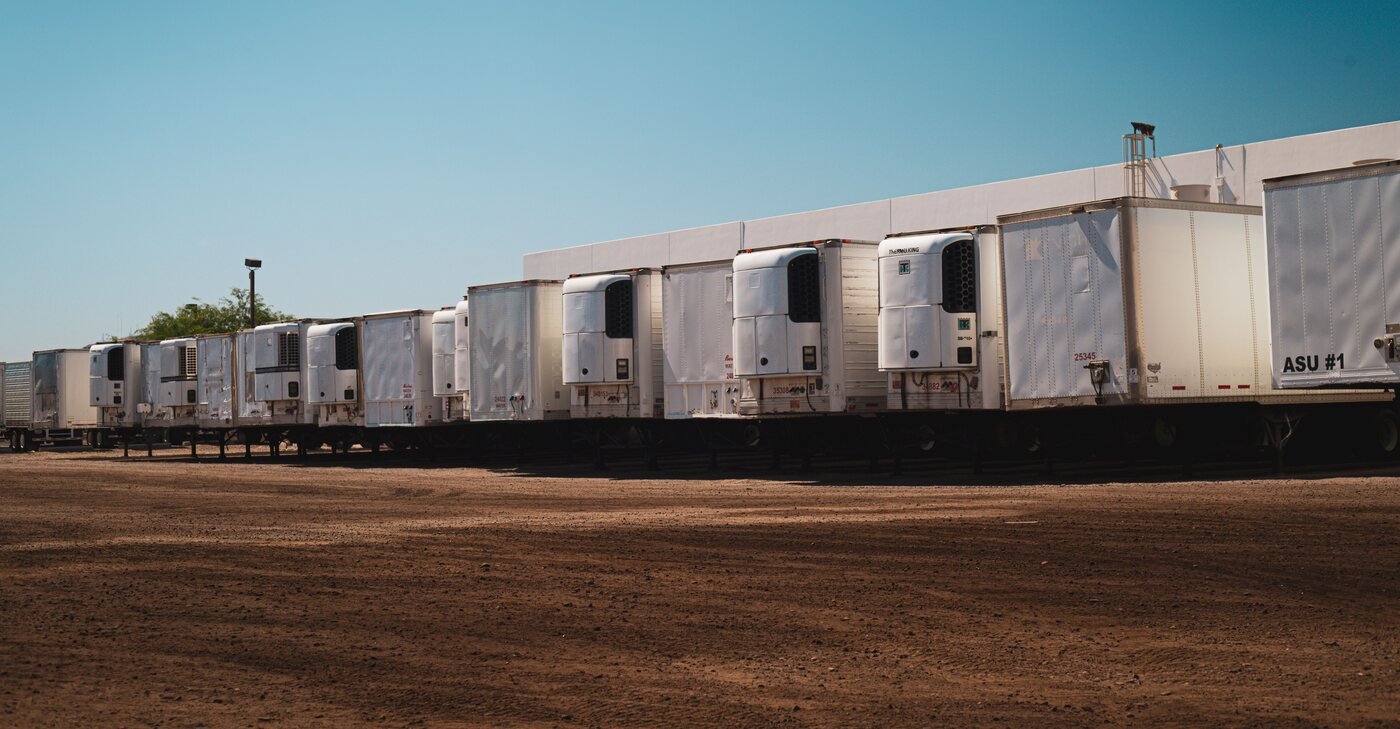
Refrigerated delivery vehicles work to tight schedules. Drivers move between depots, stores and delivery points, stepping in and out throughout the day. Dust, workwear, packaging, paperwork and occasional spills can all reach the cab. That repeated use gradually wears the seats. Custom seat covers for refrigerated delivery vehicles in South Africa can help protect serviceable upholstery and keep a cold-chain fleet’s cabin easier to maintain. The best specification depends on the seat layout, route pattern and cleaning routine.
Quick answer: Choose seat covers for refrigerated delivery vehicles by confirming the precise seat pattern, the team’s cleaning routine and the way drivers use each cab. Covers can protect serviceable upholstery from everyday wear, but they are not a substitute for cargo hygiene, food-safety controls or vehicle maintenance.

Why cold-chain delivery cabins need a care plan
Cold-chain work places the vehicle interior alongside frequent handling and cleanliness expectations. Drivers may carry damp or dusty workwear, enter after loading tasks, or share a vehicle between shifts. Repeated sliding across seat bolsters and contact from belts or equipment create friction over time. These small stresses can make trim look tired before the vehicle itself has reached the end of its working life.
A seat cover supports routine care; it does not make the cabin sterile, replace cleaning procedures or repair damaged upholstery. Inspect the original seats first and address existing damage appropriately. When trim is serviceable, a well-matched cover can be part of a practical cabin-maintenance plan.
Keep seat care separate from cargo hygiene
The driver’s cab and refrigerated load space have different purposes and cleaning requirements. Keep packaging, stock and cleaning supplies organised so they do not rub against the seats or obstruct driver controls. Follow the company’s hygiene procedures for the cargo area and the vehicle manufacturer’s guidance for cab surfaces. Covers for refrigerated delivery vehicles address upholstery protection only; they do not control the temperature or cleanliness of transported goods.
Match cover choices to the delivery route
Refrigerated fleets can include urban delivery vans, regional cold-chain trucks, food distribution vehicles and pharmaceutical support vehicles. Each has different driving hours, entry-and-exit frequency and cleaning intervals. Before choosing a finish, consider the full work pattern: who uses the vehicle, what enters the cab, whether drivers carry tools or documents, and how quickly the cabin must be ready for another route.
- Multi-stop routes: account for repeated seat-edge contact and quick turnarounds.
- Regional runs: consider long periods in the seat and a realistic inspection schedule.
- Shared vehicles: allow for different drivers and consistent cleaning routines.
- Customer-facing delivery: include a neat cabin standard as part of fleet presentation.
Choose easy-care materials for actual use
Some operations prioritise simple wipe-downs, while others need more emphasis on abrasion resistance or a tidy appearance. Easy-care synthetic materials may suit regular cleaning, and harder-wearing fabrics may be worth considering where friction is high. A material should be chosen according to the seat, workload and care directions—not broad promises that apply to every fleet. Ask how the cover should be cleaned and make sure the recommended care fits the team’s working routine.
Remove loose grit before wiping so it is not rubbed across the surface. Clean spills promptly, follow product instructions and check covers regularly for movement or wear. A consistent routine helps keep the cab presentable, although seat covers still need maintenance and do not prevent every kind of damage. Ask staff to report loose seams, shifting or trapped grit early, then correct fit or care issues before the next route. If several drivers use one unit, write the approved cleaning method where it is easy to find. This small step helps keep refrigerated delivery vehicles consistent across shifts without making unsupported claims about disinfection or protection from chemicals.
Why custom fit is important in delivery vans
Seat shape and features can vary by make, model, year, cab and trim. Headrests, armrests, belts, adjustment controls and integrated features all matter when confirming fit. A cover matched to the actual seat layout is less likely to shift or bunch during frequent use, and can give the interior a tidier finish than a loose universal option.
When asking about fitment, share the vehicle make and model, year, cab details, clear photos of the front and side of each seat, and any seat features. For a mixed fleet, identify differences instead of assuming the same model always has the same seat. Seat belts and controls must stay accessible and work as intended after installation. Ask the supplier to confirm one representative unit for each distinct seat design before ordering the rest of the fleet.
Keep fleet specifications consistent
Record each vehicle configuration, approved material and colour, cleaning routine and fitment notes. If the fleet has several seat designs, first confirm one representative vehicle for each layout. Keeping these records makes future replacements easier to compare and helps avoid ordering the wrong cover when adding vehicles or changing routes.
Planning protection while upholstery remains serviceable may also help avoid an unexpected trim decision later. Covers still need periodic inspection, and the correct fit should be checked when vehicles are changed or replaced.
For food-carrying operations, the South African Department of Health lists the national food transport hygiene regulations. Follow the requirements that apply to your cargo and operation. A seat cover supports upholstery care only and does not satisfy cargo-area cleaning or handling rules.
Custom-fit support from Polokwane
Stealth Seat Covers makes custom-fit covers for South African vehicles, with fitment available at its premises in Polokwane, Limpopo. Cold-chain operators can provide vehicle details, seat photos, fleet quantity and normal cleaning practices when discussing a practical option. See our courier and delivery vehicle information and truck and transport seat-cover guidance.
Frequently asked questions
Do refrigerated delivery vehicles need special seat-cover materials?
They need materials suited to the vehicle’s use and cleaning routine. Easy-care properties can be useful, but fit, durability and the manufacturer’s care guidance also matter.
Can seat covers make a cold-chain cabin hygienic?
No. Covers can support cabin upkeep, but they do not replace cleaning, hygiene or food and pharmaceutical handling procedures.
Why choose custom-fit covers over universal covers?
Custom-fit covers are matched to the actual seat layout. Universal covers may shift or bunch during frequent use and may leave parts of the seat exposed.
What information should a fleet provide before ordering?
Share the make, model, year, cab and seat details, seat photos, fleet quantity and normal cleaning routine. Point out differences between vehicle configurations.
Discuss covers for a refrigerated fleet
Share your vehicle details, seat layout and fleet requirements when you Contact us to discuss fitment and material options.