

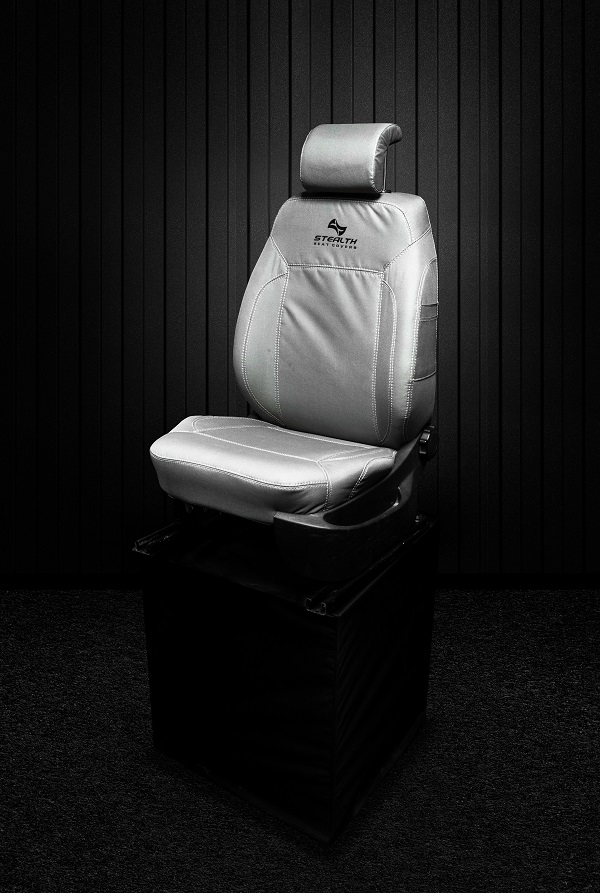
Quick answer: Red dust seat covers for commercial vehicles should fit securely, resist day-to-day abrasion and clean easily. Choose a cover around the vehicle’s actual exposure, cleaning routine and seat layout so fine dust does not collect in loose folds or exposed edges.

Why fine dust and debris wear seats down
Red dust can enter the cabin on clothing, footwear and equipment, then settle along seams and seat edges. Fine material may be easy to overlook during a quick visual check, so plan both a brief handover reset and more thorough cleaning at the interval your fleet can support. Use the cover’s care instructions rather than assuming one cleaning method suits every fabric.
Red dust, cement powder and fine debris can seem harmless, but they settle into seams, edges and contact points throughout a working cab. Every time a driver climbs in, turns or shifts against the seat, particles can rub against the surface. This repeated friction gradually wears upholstery, especially in vehicles used on construction, quarry, mining, agricultural and haulage routes.
Wet residue can make the problem more difficult. Fine dust combined with moisture or mud can cling to the seat and take longer to clean. A poorly selected cover may trap debris in folds or move out of place, adding work instead of reducing it.
Start with the operating conditions
Before choosing a cover, look at how the vehicle is used during a normal week. Consider how fine the dust is, whether it mixes with wet residue, how often the vehicle reaches a wash-bay and what drivers bring into the cab on workwear or PPE. Also consider whether the vehicle needs to look presentable for supervisors, clients or auditors.
A short fleet check can help:
- Record the make, model, year and exact seat layout.
- Identify the main sources of dust, cement residue, grit or moisture.
- Note the cleaning schedule and the products used by the team.
- Check which seat areas experience the most entry, exit and turning friction.
- Confirm that seat belts, airbags, controls and adjustments remain accessible.
Plan a practical red-dust cleaning routine
Red dust and cement residue are easier to manage when drivers know what to do after a dusty trip. Remove loose material using a suitable method before wiping, then clean the surface as directed for the specific cover. Avoid unapproved chemicals or tools that could damage the fabric. If a vehicle works in a particularly dusty area, record how often the cabin needs a reset and who is responsible.
A fleet manager can keep a small, approved cleaning kit at the depot and make the instructions easy to find. This supports a consistent standard across drivers and shifts without expecting every cab to receive a deep clean after each journey.
Balance cleanability with durability
In fine-dust environments, a durable material is useful only if it can be cleaned in a practical way. Choose a surface that suits the fleet’s normal maintenance routine, and follow its care guidance. Removing loose grit before wiping helps prevent abrasive particles from being rubbed across the cover.
Keep the cleaning process realistic for the people who use the vehicles. If a cover is awkward to wipe or difficult to keep presentable between shifts, routine maintenance is less likely to happen. The right choice balances hard-wearing protection with the time available to clean each cab.
Why fit matters around dust
Loose covers can bunch, shift or leave seat sections exposed. Folds and gaps may collect fine debris, making the interior harder to manage. A custom-fit cover made for the specified seat layout sits closer to the seat shape and can reduce movement during everyday use. Confirm vehicle and trim details before ordering, then check the fit after installation and after seat adjustments.
Fit also affects how the cabin looks. A stable cover helps keep a cleaner, more controlled appearance across a working fleet. Businesses that run several vehicle types can group units by seat configuration and work conditions instead of using one generic product across every cab. Stealth Seat Covers offers custom-fit options for fleet and commercial vehicles in South Africa.
Check seat fit after installation
Once covers are fitted, inspect seat edges, seams and attachment points to confirm that the material sits securely and does not expose high-contact areas. Recheck after regular use and after adjusting the seat. Make sure belts, controls and safety features remain accessible and work as intended. For a mixed fleet, record fitment notes for each model so future orders match the correct seat layout.
Benefits beyond seat protection
Regular checks help teams catch red dust buildup in seams and around the seat base before it becomes harder to remove.
A suitable cover can make routine cleaning more predictable, support a professional interior standard and help protect the original upholstery from cumulative wear. Fleet managers can also record each vehicle’s seat layout, selected cover and care instructions, making future replacements easier to specify.
Frequently Asked Questions
What is the biggest mistake when choosing covers for dusty vehicles?
Choosing a cover that shifts easily or traps fine debris in folds. A stable fit and a cleaning routine suited to the material help keep dust manageable.
Should cleaning speed matter as much as durability?
Yes. A cover must hold up to the workload and fit the team’s cleaning routine. A durable product that is difficult to maintain can create extra work for a fleet.
Can fine dust damage upholstery over time?
It can contribute to wear when particles settle at contact points and are repeatedly rubbed against the seat. Regular cleaning and suitable seat protection help reduce that exposure.
Which industries should consider dust-resistant seat protection?
Mining, construction, quarrying, agriculture, haulage and service fleets can all face red dust, cement powder or other fine residue. The cover should match the specific cab conditions.
Choose for the work your vehicles do
Dust-prone fleet vehicles can also be included in broader condition checks. The South African government roadworthiness testing guidance provides general information about vehicle testing; use the seat and cover manufacturers’ instructions for cleaning and fitment details.
Assess the dust, moisture, seat layout and cleaning routine before selecting a cover. A secure fit and practical care plan help keep the cab easier to clean and presentable over time. For fitment and pricing enquiries, Contact us.