

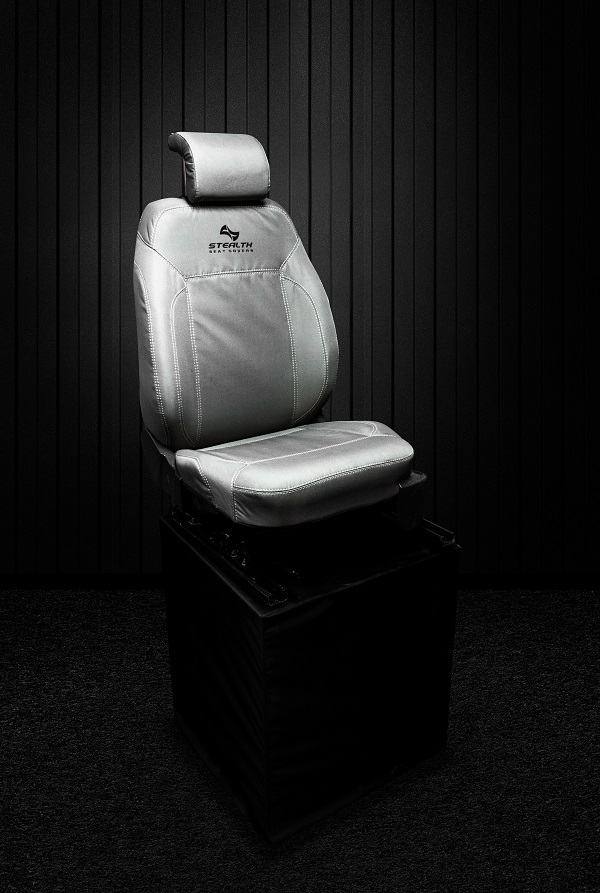
Quick answer: Quarry vehicle seat covers should combine close fit, abrasion resistance and practical cleaning. Fine dust, grit, workwear and constant entry and exit can wear upholstery quickly, so choose covers for the real cab conditions and exact seat layout.

Why quarry cabs need a different approach
Quarry vehicles may return repeatedly to dusty loading areas, haul roads and maintenance zones. Drivers can spend long periods in the cab, then climb out for inspections or loading checks. These work patterns make seat edges and bolsters high-contact areas that benefit from a closer inspection routine.
Quarry, aggregate and stone-haul fleets face more than ordinary road dirt. Red dust and fine stone particles travel into the cab on clothing and boots. On rough haul roads, drivers move against the seat as the vehicle jolts, putting extra friction on seat bases, bolsters and entry-side edges. Long shifts and shared vehicles add repeated contact throughout the day.
If grit is left on a seat, it can act like an abrasive during each entry and exit. A regular cleaning routine helps, but a suitable cover can add a protective surface that is easier to wipe down between runs. It should support normal cleaning rather than replace it.
What to check before choosing covers
For a quarry fleet, map each vehicle’s role before comparing seat-cover options. A road-going haul truck, site support bakkie and mobile machine may all encounter stone dust, but the number of drivers, seat shapes and maintenance access can differ. Make a simple record of vehicle details and typical exposure so the cover specification follows the actual job.
Start with how the vehicle works. A road-going aggregate truck, a site support bakkie and a loader may all face dust, but their seat shapes, driver movement and cleaning routines differ. Before ordering, note:
- Vehicle make, model, year, trim and exact seat configuration.
- How much fine dust, stone residue, mud or moisture enters the cab.
- Whether the vehicle stays on site, uses public roads or moves between both.
- How often seats are cleaned and whether one or several operators use them.
- Which seat areas take the most friction, including the driver-side bolster and front edge.
- Any airbags, seat belts, controls or adjustments that must remain unobstructed.
Build a practical cleaning routine for quarry vehicles
Remove loose grit before wiping so it is not rubbed repeatedly across the cover. Follow the material’s care instructions, use suitable cleaning products and allow the surface to dry as directed. A daily cab reset can include clearing debris, checking the driver-side bolster and reporting any shifted cover or exposed seat area.
Quarry managers can keep approved cleaning guidance at the wash-bay or depot and note which vehicles need more frequent attention. Clear instructions help operators use the same process across shifts and avoid improvised cleaning methods.
Fit and stability matter in abrasive conditions
A cover that bunches, shifts or leaves seat edges exposed allows grit to reach vulnerable upholstery and can make the cabin harder to maintain. Custom-fit covers are made for a specified seat layout, helping coverage sit closer and remain more stable in day-to-day use. Confirm the vehicle details carefully, then check the fit after installation and after adjusting the seat.
Think about durability and cleanability together. A robust finish is useful only if it suits the operator and can be cared for as intended. Follow the material’s care guidance, remove loose grit before wiping, and inspect high-wear areas regularly. If the fleet has different vehicle roles, it may make sense to standardise covers by vehicle group rather than forcing one finish across every unit.
Confirm fitment and seat safety
Before ordering, verify the vehicle make, model, year, trim and exact seat configuration with the supplier. After installation, check that seat belts, controls and safety features remain accessible and work as intended. Reinspect the fit after seat adjustments and normal use, particularly when the quarry unit is shared between operators.
General fleet-condition planning can include the South African government roadworthiness testing guidance. Use the seat and cover manufacturers’ instructions for fitment and cleaning requirements.
Document cover maintenance and replacements
Keep a simple record of cover type, fitment details, cleaning guidance and inspection dates for each quarry vehicle. This helps supervisors identify recurring wear and order a matching replacement when needed. Review the record when a unit changes role, moves between sites or receives a different seat configuration. Consistent documentation supports predictable fleet care and makes it easier to brief new operators.
Benefits beyond protecting upholstery
Cleaner, more consistent interiors can support driver comfort, fleet presentation and a more predictable maintenance routine. A fleet manager can record each vehicle’s trim, seat layout, selected cover and care instructions to make future replacements easier to match. This is especially helpful when units are shared or added at different times.
For businesses running quarry units alongside other work vehicles, compare the seat configuration and workload before specifying covers. Stealth Seat Covers makes custom-fit options for fleet and commercial vehicles operating in South Africa.
Frequently Asked Questions
What matters most for quarry vehicle seat covers?
Prioritise a close, stable fit, protection for high-friction areas and a surface that suits the fleet’s cleaning routine and exposure to fine grit.
Should every quarry vehicle use the same cover?
Not necessarily. Match the cover to the exact seat layout, vehicle role, operator use and cleaning needs. Similar vehicles can be grouped once their specifications are confirmed.
Why is custom fit useful on dusty haul routes?
A closer fit helps reduce shifting and exposed gaps where dust and grit can reach the original upholstery. Proper installation and regular inspection still matter.
How should a fleet maintain seat covers?
Follow the material’s care instructions, remove abrasive debris before wiping and inspect areas that receive repeated entry and exit friction.
Plan seat protection around the work
Consider the route, site exposure, seat details and cleaning schedule before choosing covers for a quarry or aggregate fleet. Stealth Seat Covers can help confirm a suitable custom-made option. Contact the team for fitment and pricing enquiries.