

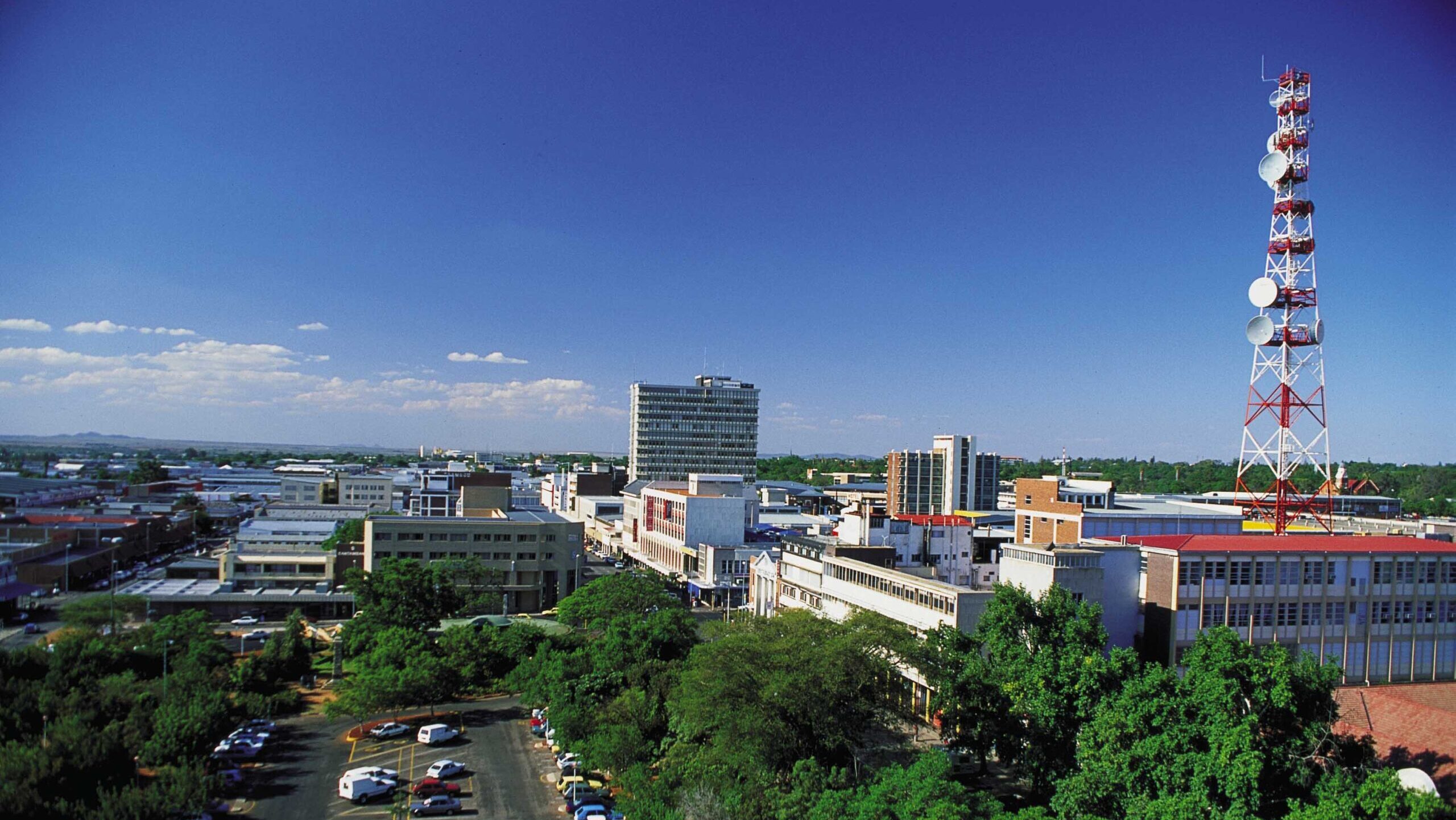
Polokwane fitment matters to Limpopo and Gauteng fleet managers planning custom seat covers because the process begins with accurate vehicle and seat details. Stealth Seat Covers offers fitment at its Polokwane premises, which can be relevant for businesses operating in Limpopo and Gauteng. Planning starts with the vehicle list, exact seat details and the practical arrangements for getting vehicles fitted.
Why fitment deserves attention
Work vehicles can have different seat shapes, model years, armrests, controls and modifications. A cover that looks suitable in a catalogue may not match the actual seat. Correct fitment helps the cover sit more securely and leaves normal access to belts, adjustments and equipment.
Before fitment, identify each vehicle’s make, model, year and seat configuration. Share clear photographs and note suspension seats, integrated headrests, seat splits, controls or aftermarket changes. This is especially useful in a mixed fleet, where similar vehicle names may conceal different seat specifications.
Prepare a fleet for Polokwane fitment
Group vehicles by seat type and operating role. Make a list of quantities, priority units and any special requirements for passenger, driver or operator seats. Include the fleet’s location, the people coordinating vehicles and the timing you need to discuss. Ask the Stealth team about appointment scheduling and any current fitment arrangements before committing vehicles to a plan.
For Limpopo businesses, Polokwane may be nearby for some operations; for Gauteng fleets, travel and vehicle downtime require more planning. Consider whether vehicles can be grouped for a scheduled visit, which units need priority and how their use will be covered while they are away. Confirm the details directly so the approach suits your fleet and current availability.
Fitment is specific to the seat and work
The installation should take account of how the vehicle is used. A service bakkie, taxi, delivery van, truck and site vehicle may need different materials or patterns. Describe dust, spills, passenger turnover, long shifts, frequent entry and exit and the cleaning routine. This helps discuss appropriate cover options before a fitment date is set.
After installation, check that seat belts buckle and retract normally, controls and adjustments remain accessible, and covers stay in place. If a vehicle has unusual equipment or a seat modification, raise it before fitting. Keep the final specification with the vehicle record for future replacements or additions.
Benefits of a consistent fitment record
Recording the vehicle details, selected material, cover pattern and care instructions makes fleet maintenance easier. Managers can compare the same vehicle group, track wear and request matching replacements. Where units differ, note the differences rather than assuming one specification applies to all.
Fitment does not replace routine inspection. Drivers and workshop teams should check for movement, loose fasteners, seam wear and trapped dirt, then follow the supplier’s care instructions. Report any issue promptly so it can be assessed.
Plan Polokwane fitment around fleet travel and downtime
For Limpopo and Gauteng businesses, the practical arrangements depend on where vehicles are based, who coordinates them and how long each unit can be away from work. Group vehicles by location and priority, then ask the Stealth Seat Covers team what appointment and fitment options are currently available. Do not assume a fleet needs to make one trip or that every model can be completed in the same time; confirm the plan for the actual seats and workload.
When arranging Polokwane fitment, consider whether staff can bring several compatible vehicles together or whether units need separate appointments. Identify a person who can approve seat specifications and answer questions about controls or modifications. A clear schedule helps managers plan cover for work that would otherwise be done by the vehicle.
Prepare the vehicle details before booking
Send a vehicle schedule with make, model year, trim, seat layout, quantity and location. Include clear seat photographs and note split benches, integrated headrests, armrests, suspension seats, controls, side airbags or aftermarket changes. This information helps confirm the correct pattern and flag unusual seats before a vehicle is scheduled for Polokwane fitment.
- Confirm which vehicles are the priority and when they can be made available.
- Record the fleet contact and the person approving the specification.
- Ask about current appointment options, expected downtime and any preparation needed.
- Arrange safe storage for equipment and personal items before the visit.
- Keep a copy of the agreed seat details with the vehicle record.
Check the finished fit and keep aftercare clear
After installation, check belt buckles, belt movement, adjustment controls and seat-mounted features. Confirm that each cover stays in place through normal use and that the final pattern matches the agreed vehicle details. Raise any fit concern with the installer before the vehicle returns to its usual work routine.
Give drivers the supplier’s cleaning guidance and add routine seat checks to existing vehicle inspections. Note the cover specification, installation date and any model-specific exception. This record helps when fleet vehicles are replaced or a matching cover is needed later. For general workplace safety procedures, refer to South Africa’s Occupational Health and Safety Act and requirements relevant to your operations.
Polokwane fitment can be considered by fleets in either province, but the appropriate arrangements depend on vehicle location and the service options available at the time. Confirm details with Stealth Seat Covers before coordinating travel.
Frequently asked questions
Does every Limpopo or Gauteng vehicle need to be fitted in Polokwane?
Fitment arrangements depend on the vehicle, fleet and current service options. Confirm available choices and scheduling directly with Stealth.
What should a fleet send before booking?
Provide a vehicle schedule, make, model, year, seat photos, modifications, fleet location and timing needs.
Can different vehicle models use one cover pattern?
Only if the seat specifications match. Check each model year and seat configuration before grouping vehicles.
What should be checked after installation?
Check belt operation, controls, adjustments, cover stability and access to seat features. Follow the installer’s guidance.
Discuss fleet fitment
Stealth Seat Covers makes custom-fit covers for South African work vehicles, with fitment available at its Polokwane premises. Share your fleet location, vehicle details and fitment needs to discuss the available arrangements. Contact Stealth Seat Covers for pricing or fitment enquiries.