

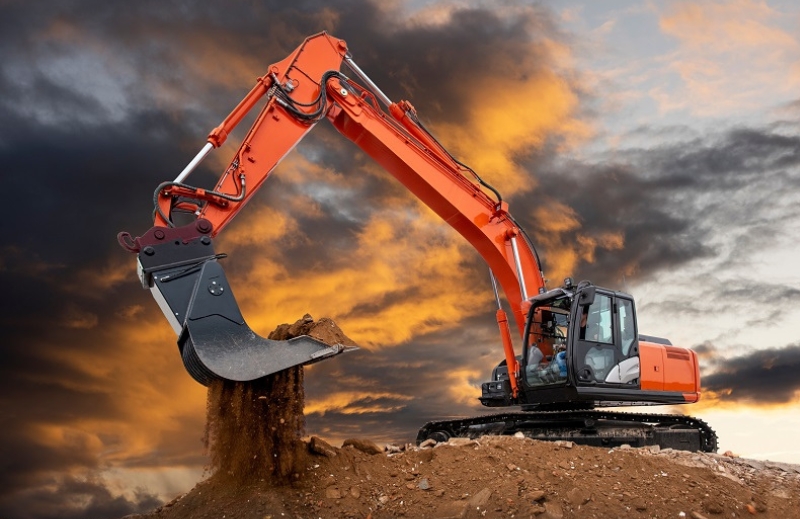
Heavy equipment operators spend long periods seated while machines work across uneven ground, construction sites, farms and mines. A seat cover for an excavator, loader, grader or backhoe needs to suit the exact operator seat and the working conditions. Before choosing a material, identify the machine, check its seat features and consider how operators enter, adjust and clean the cab. Operator seats on excavators, loaders and graders should be assessed by their exact shape and controls, not by machine type alone. This matters when matching covers to operator seats across a mixed heavy-equipment fleet.
Operator seats need an accurate fit
Start with the machine make, model, year and any cab or seat option codes available. Take clear photographs from the front, sides and rear, including the headrest, armrests, belt, adjustment levers, suspension controls and switches. Seats that look similar can differ in shape, stitching, dimensions or openings. A model name alone may not give enough detail for a reliable custom fit. Compare operator seats by part number whenever that information is available.
Also check whether the original seat is in serviceable condition. A cover can help shield usable upholstery from routine dirt and abrasion, but it cannot restore worn foam, repair a damaged suspension base or correct a faulty adjustment. Resolve those issues separately before fitting a cover. If the seat has been replaced or modified, include those details in the enquiry.
Match the cover to the worksite
Think about the conditions operators face during a normal shift. Dry dust, mud, grease, perspiration, wet clothing and frequent cab entry can each affect the cleaning routine and the type of material that is practical. A machine used on a dusty earthmoving site may need a different care approach from equipment working indoors or on a municipal route.
Ask how the available material handles the exposure you actually experience and which cleaning products or methods are suitable. Avoid assuming that a product described as heavy-duty will automatically be right for every seat. Consider durability alongside comfort, breathability, ease of cleaning and the way the material sits against the seat’s contours. Follow the cover maker’s care instructions; materials and finishes can respond differently to water, detergents and abrasion.
Keep controls and safety features accessible
A well-planned cover should fit closely without preventing normal use of the seat. Confirm that the operator can reach adjustment controls, use the belt and operate armrests or seat-mounted switches as designed. If the seat has suspension movement, a headrest, lumbar support or an unusual control layout, show these features in the photographs and mention them before a pattern is made.
After installation, ask the operator to check the belt, controls and seat adjustments through their normal range. The cover must not bunch where the operator sits, slide during entry or interfere with equipment. If any part obstructs a control or safety feature, stop using the machine until the issue has been corrected. Follow the equipment and seat manufacturer’s instructions for operation and maintenance.
Plan for shared use and regular cleaning
Where machines are used by multiple operators, agree on a simple care routine that works between shifts. Remove loose grit before wiping so it is not rubbed into the surface. Clean spills using the recommended method and let the cover dry as instructed. Do not use solvents or excess water unless the material supplier confirms they are suitable, especially around seams, switches and seat mechanisms.
Include a quick seat check in the handover: look for loose fastenings, movement, seam wear, trapped debris and damage around high-contact areas. Encourage operators to report a cover that slips or repeatedly wears in one place. That information can help a fleet manager assess whether the fit, material or cleaning process needs attention. A small inspection habit also helps keep a cab presentable for the next operator.
Requesting a useful fitment recommendation
For a practical recommendation, send the machine make, model and year, clear seat photos, the main worksite conditions and notes about belts, controls, armrests or modifications. Mention whether operators share the machine and how often the seat is cleaned. Record operator seats against the asset number so future replacements match the verified machine and seat. These details help a supplier assess the pattern and material options without relying on guesswork.
Research by the US National Institute for Occupational Safety and Health has examined vibration at the seat/operator interface on heavy earthmoving machinery. This is a reminder that a protective cover cannot replace a properly maintained seat or correct suspension problems; keep those checks in the machine maintenance routine. Read the NIOSH study on ergonomic factors for heavy earthmoving machinery operators.
Stealth Seat Covers produces custom-fit covers for South African work vehicles and equipment, with fitment available at its Polokwane premises. See our seat cover fitment enquiry and contact details to share the machine and seat photographs.
Frequently asked questions
Can one cover fit every heavy equipment operator seat?
No. Seat dimensions and features vary between machines, model years and specifications. Confirm the exact seat and provide photographs before ordering.
Which material should I choose for an excavator or loader?
Choose based on the site conditions, operator comfort, cleaning routine and the seat’s design. Ask the supplier to compare suitable materials for your actual machine and workload.
Will a seat cover repair a damaged suspension seat?
No. A cover can protect usable upholstery but does not repair foam, suspension parts, belts or adjustment mechanisms. Have mechanical or structural faults assessed separately.
What information should I send for a fitment enquiry?
Provide the machine make, model and year, clear seat photographs, details of controls and belt openings, and a short description of the worksite and cleaning routine.
Choose a cover around the real operating conditions
The best choice starts with an accurate seat match, a material suited to the site and checks that preserve access to normal controls. A little preparation before ordering can help avoid a loose fit or an impractical cleaning routine. Share the machine and seat details with Stealth Seat Covers to discuss custom-fit options for your equipment.