

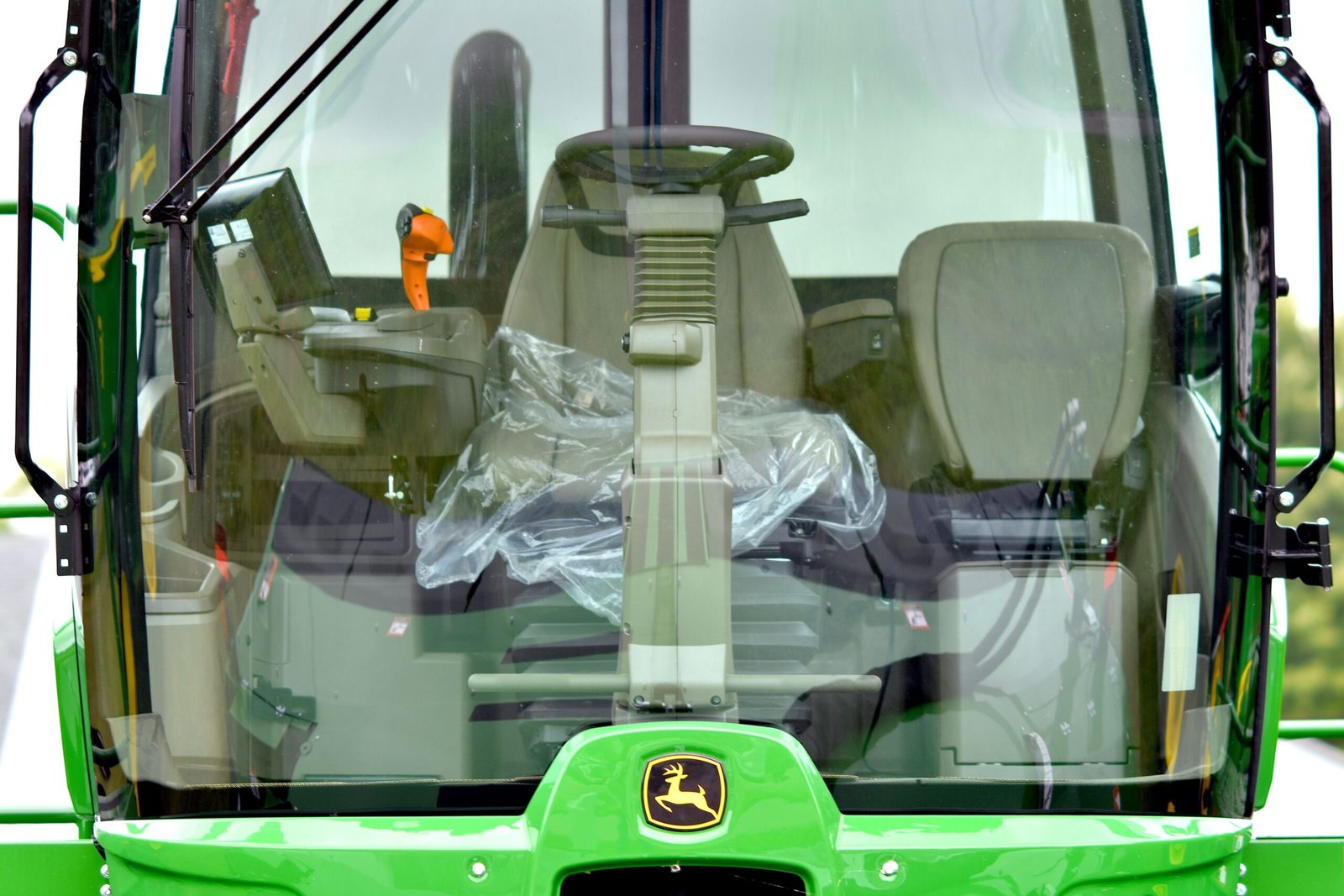
New Holland tractor seat covers in South Africa help protect operator upholstery from the dust, mud, grease and daily friction of farm work. Tractors used in orchards, broadacre fields, livestock operations, transport and mixed agricultural duties often work long hours. A purpose-made cover helps keep sound trim cleaner and supports a more consistent standard across machinery.
Why operator-seat protection matters
Small repeated actions cause much of the wear: climbing in with dusty boots, sliding across the seat in workwear, and sitting through long shifts in heat. Grease, sweat and everyday grime collect where operators make contact. Over time, seams and high-use areas can look tired, even when the machine remains productive.
A seat cover protects serviceable upholstery; it will not repair torn trim or damaged foam. Check the original seat first and arrange repairs where needed.
Choose for the tractor and its workload
New Holland machines work across many farm settings, so the right cover depends on the specific operator seat and its use. Before ordering, note the tractor model and year, seat shape, suspension, armrests, headrest and controls. Also consider operator hours, shift changes, exposure to dust or mud, and how often the cab is cleaned.
- Brush away loose grit before wiping the surface.
- Clean spills and field grime promptly using the selected material’s care instructions.
- Keep tools and equipment secured instead of loose on the seat.
- Include a quick check of seams and fastenings in routine machinery inspections.
Select a practical material
A durable synthetic polyester blend can be a sensible choice for regular agricultural use where toughness and easy cleaning matter. Where friction and abrasion are more severe, ask whether a ripstop-style option suits the seat and working conditions. Choose based on real use and the recommended care routine rather than appearance alone.
Why custom-fit matters
Operator seats vary by model, year and specification. A universal cover can crease or shift, leave exposed areas, or interfere with adjustment features. A custom-fit cover is made around the specified seat, helping it sit neatly during long days and keeping key controls accessible.
For an accurate fitment check, send the tractor model and year with clear photos from several angles. Show the full seat, suspension, armrests and controls. Once installed, confirm that adjustments and safety equipment work as intended.
Keep standards consistent across your equipment
For farms or contractors with several tractors, keep a simple record of each machine’s seat configuration, chosen material and cleaning routine. Include a visual seat check during scheduled service. This can catch loose fastenings or early wear and makes future replacements easier to specify.
New Holland tractor seat covers in Polokwane
Stealth Seat Covers manufactures custom-fit covers for South African vehicles and working equipment, with fitment available at its premises in Polokwane, Limpopo. Read our Massey Ferguson tractor seat cover guide and Agricultural & Earthmoving information.
New Holland Tractor Seat Covers: Confirm the Seat Specification
New Holland tractor seat covers need to match the operator seat fitted to the individual machine. The make badge alone does not confirm the seat shape, suspension, armrests or adjustment controls. Check the tractor’s model plate and the seat itself, especially where a machine has been updated or used across different farm tasks.
For New Holland tractor seat covers to fit properly, share the model and year plus clear photos of the entire seat from the front, sides and rear. Include the mounting area, suspension, belt, armrests, headrest and any attached switches. These details help distinguish similar-looking seats and reduce guesswork when confirming a pattern.
Use the tractor’s actual model and year
Model names can cover several series or generations. A used tractor may also have a replacement seat, aftermarket armrest or changed suspension. Before ordering, compare the information on the machine with the seat currently installed rather than relying on a name from an invoice or old parts record.
- Record the exact model designation and year, using the identification plate where available.
- Photograph controls and seat attachments that may affect the cover shape.
- Note whether the seat is air-suspended, mechanical or fitted with additional support features.
- Describe typical operator hours and whether several people use the tractor.
New Holland’s official South African tractor range can help cross-check current model descriptions. It may not show every older model or seat revision, so use the machine identification and photographs to confirm the actual fit.
Choose protection that suits farm conditions
Dust, chaff and dry soil call for a cleaning routine that removes grit before it is rubbed into the cover. Wet mud should be lifted gently, and grease or chemical spills should be handled only with a cleaning product approved for the selected material. Avoid assuming that a method safe for one fabric will be suitable for another.
When choosing New Holland tractor seat covers, consider how the tractor is stored and used between seasons. An enclosed cab, a frequently open cab and a tractor working around livestock can expose the seat to different levels of dust, dampness and debris. Explain those conditions when asking about a material so its care instructions fit the work.
Check the fitted cover after installation
After fitting, move the seat through its normal adjustments and make sure the cover does not block controls, belt access or safe movement. Sit in the seat and check that the cover stays in place without bunching at the backrest or seat base. Inspect it again after the first shift and during regular equipment checks.
For farms with several New Holland machines, list the model, year, seat type, material and fitment date for each tractor. New Holland tractor seat covers should be specified against each seat, even where two machines share a model name. A short record makes reordering easier and helps staff follow the right care routine across the fleet.
Frequently asked questions
Are New Holland tractor seat covers suitable for hard daily use?
A well-matched cover can help protect sound upholstery from routine dirt, friction and repeated entry and exit.
Which material should I choose?
Match the material to the level of dirt, abrasion, cleaning frequency and presentation required for your tractor.
Will a universal cover fit my New Holland seat?
Universal covers may move or leave parts exposed. Share the model, year and seat details to confirm the right fit.
What details help confirm fitment?
Provide the tractor model and year, plus clear photographs showing the seat, suspension, armrests and controls.
Discuss your tractor seat
Fitment is available at Stealth Seat Covers’ premises in Polokwane. If you are travelling from Gauteng or elsewhere, contact us with your New Holland model and seat details to confirm fitment arrangements. You can also review our custom seat-cover range.
For multi-machine operations, first confirm that each seat has compatible dimensions and features rather than assuming one pattern fits every New Holland model. Ask about cleaning before choosing a finish: regular wipe-downs, drying time and storage between seasons all affect how long a cover keeps its appearance. Keep a note of the fitment details with the tractor’s service records so replacements can be matched later. A secure fit should allow normal seat adjustment and safe operation; inspect it after the first work shift and retighten or refit if needed.