

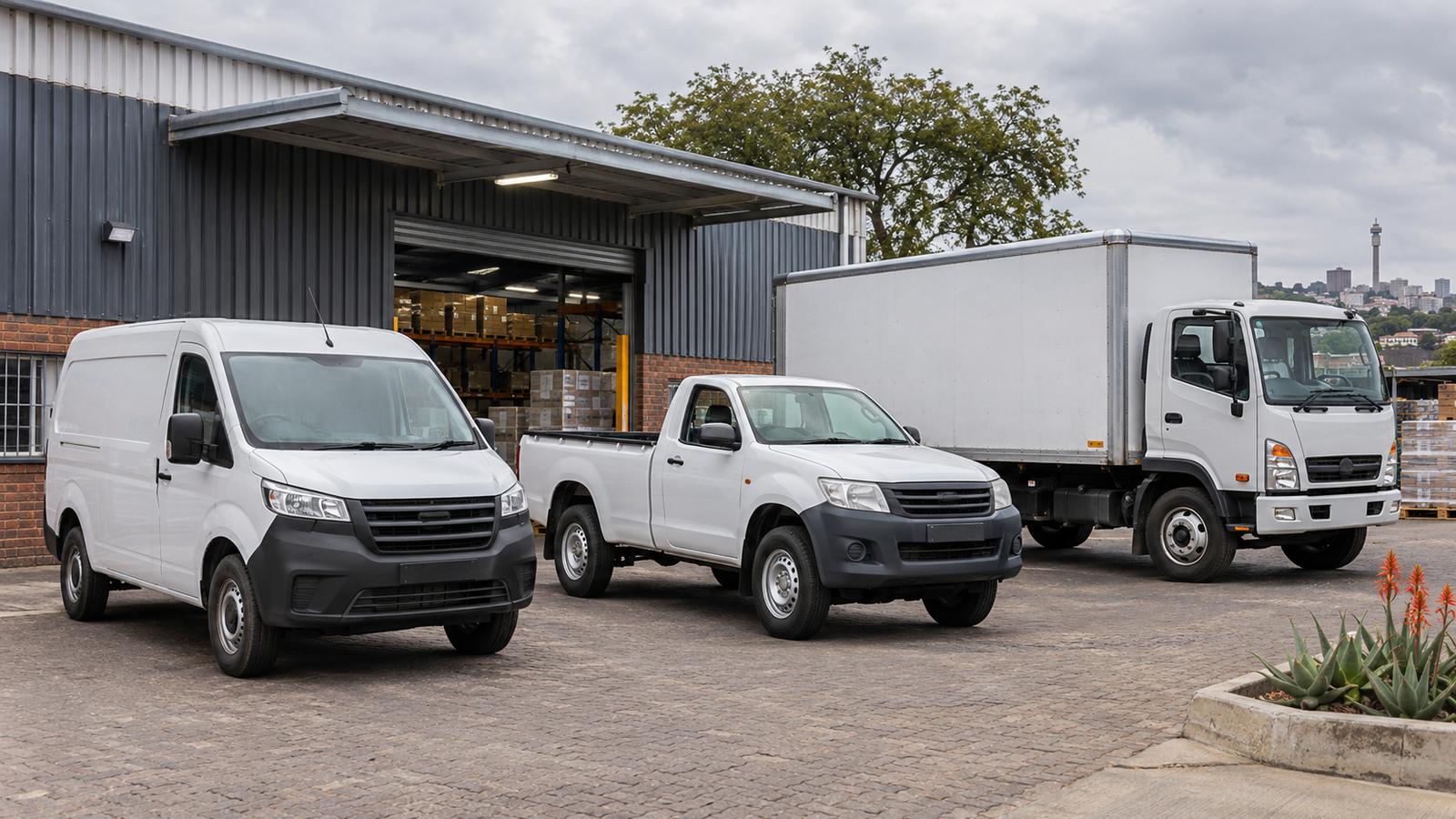
Mixed commercial fleets often include bakkies, vans, trucks, taxis and specialist vehicles with different seat layouts and working conditions. Standardising seat covers does not mean forcing one pattern onto every seat. It means creating a clear process for grouping vehicles, selecting suitable specifications and keeping care and presentation consistent.

Start with a complete vehicle list
Record each vehicle’s make, model, year, trim, quantity and operating role. Group units that share the same seat configuration, then flag exceptions such as integrated headrests, armrests, suspension seats, seat splits, controls or aftermarket modifications. Photographs help confirm whether vehicles that appear alike actually use the same seat.
Keep vehicle or asset numbers with the list so that orders, replacements and fitment records can be tied to the right units. Update the register when vehicles change or new models enter the fleet.
Group vehicles by work, not only by model
Two matching vans may serve different departments. A courier vehicle with frequent stops, a client-facing service van and a site bakkie may have different exposure, cleaning routines and presentation needs. Note typical dust, spills, passenger turnover, long shifts, workwear and time available for cleaning.
Use these profiles to decide where one material and pattern can be standardised and where separate groups are needed. For mixed commercial fleets, a consistent standard can include different cover specifications while still aligning colour, branding or record keeping.
Create a clear specification for each group
For each mixed commercial fleet group, document the seat details, selected cover material, pattern, preferred finish, branding and cleaning instructions. Keep a note of fitment provider, installation date and any special seat requirements. Ask the supplier which product options match the workload and whether the same specification is available for each seat type.
Avoid vague labels such as “heavy-duty” as the only specification. Record the actual product and care method, and confirm current availability before ordering replacement covers. That makes future quotes easier to compare and reduces the chance of substituting an option that does not suit the group.
Plan fitment and replacement cycles
Coordinate fitment by depot, region, vehicle availability and priority. If the fleet operates across several locations, identify how units will be scheduled and who will approve the final specification. Phased fitment may help keep vehicles working while standards are updated.
Inspect covers during routine vehicle handovers. Record loose sections, seam wear, trapped dirt and recurring damage by seat position. When replacing a cover, check whether the original seat configuration has changed, rather than relying only on the vehicle model name.
Maintain consistent care and branding
Give drivers a short care instruction suited to the selected material. Remove dry grit before wiping, treat spills using the approved method and allow the cover to dry as directed. Avoid unapproved solvents or excess water. If logos or department identifiers are used, keep approved artwork, placement, colour and size with the vehicle-group specification.
Review the standard when work patterns, cleaning procedures or vehicle models change. A simple annual check of the register can identify outdated patterns, missing seat details and repeated wear that merits a new assessment.
Specify covers for each mixed commercial fleet group
A written specification helps a fleet avoid making the same decisions from scratch each time a vehicle changes hands. Include the approved seat-cover style, exact seat pattern, colour, material and care instructions for each group. Add the vehicle makes and model years known to use that configuration, but keep a note that a supplier must still confirm each seat before production or fitment.
For mixed commercial fleets based in Polokwane or operating across Limpopo and Gauteng, also record where each vehicle is maintained and who approves replacements. For mixed commercial fleets, a central register helps compare wear reports from depots without assuming every vehicle works in the same conditions.
Check fitment, access and safety before rollout
Before a large fitment run, test the selected specification on one representative vehicle from each group. Confirm access to seat-belt buckles, adjustment controls, armrests and headrests. Follow the vehicle manufacturer’s information for side airbags and other seat-mounted safety features, and the cover supplier’s fitting instructions. Ask the installer to note any seat exceptions so they are not overlooked when the remaining vehicles are booked.
Plan fitment around vehicle availability. Keep a list of units completed, units awaiting parts and exceptions that need individual confirmation. For mixed commercial fleets, this makes phased work easier to track and reduces repeat visits caused by incomplete seat information.
Make care and replacement records useful
Give drivers short, material-specific care instructions. The right routine depends on the cover and the type of dirt or spill; avoid applying an unapproved cleaner just because it worked on another vehicle. Ask users to report recurring marks, loose sections or damage by seat position. A consistent record can reveal whether a problem affects one installation, one vehicle type or a whole mixed commercial fleet group.
When replacing covers, check the seat again rather than ordering from an old invoice alone. Vehicle trims and seats can vary, and some vehicles are modified during service life. Keep product references, installation notes and approved artwork with the fleet record to make repeat orders clearer.
Rollout checklist for mixed commercial fleets
- Update the vehicle register and identify seat-layout exceptions.
- Group vehicles by both seat configuration and working conditions.
- Approve a cover specification and care method for each group.
- Fit a representative vehicle and confirm access and compatibility.
- Schedule the remaining vehicles and record completed fitments.
- Review wear reports before standardising replacement decisions.
For general workplace procedures, refer to South Africa’s Occupational Health and Safety Act and requirements applicable to your operation. Cover selection supports an orderly cabin; it does not replace safe equipment storage, maintenance or employer safety procedures.
For mixed commercial fleets, reviewing the register regularly keeps replacement decisions tied to current vehicles, seat layouts and workloads.
Frequently asked questions
Does standardisation mean every vehicle gets the same cover?
No. It means using an organised specification for each matching group while accounting for different seats and workloads.
What if two models use different seats?
Separate them into different groups and keep their patterns and fitment notes distinct.
How can fleets keep replacements consistent?
Maintain a register of vehicle details, seat photos, material specification, branding and cleaning instructions.
Can mixed fleets use different materials?
Yes. Select by seat type and operating conditions, then keep the wider fleet presentation and record-keeping consistent.
Build a practical fleet standard
Mixed commercial fleets can use these records to keep fitment and care consistent as vehicles are added, reassigned or replaced.
Stealth Seat Covers makes custom-fit covers for South African commercial vehicles, with fitment available at its Polokwane premises. Share a vehicle schedule and seat details to discuss specifications for each fleet group. Contact Stealth Seat Covers for pricing or fitment enquiries.