


Quick answer: Seat covers for mining vehicles in Limpopo should match the exact make, model, year, trim and seat layout, then suit the dust, abrasion and cleaning routines the vehicle faces. Confirm belt access, seat controls and any seat-mounted safety features before fitment.
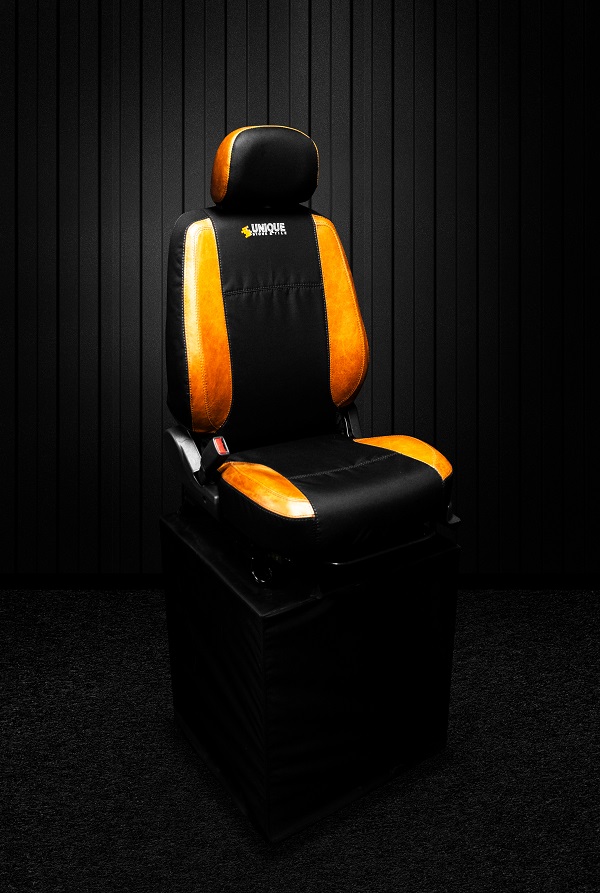
Choosing Seat Covers for Mining Vehicles in Limpopo
Mining and contractor vehicles often spend long hours moving between public roads, site access routes and work areas. Drivers and passengers may climb in wearing dusty work clothing, carry equipment in the cabin and use the same seats throughout a shift. These conditions can add friction, dust and marks to original upholstery. Suitable seat covers can help shield the seats from routine contact and make day-to-day cleaning more manageable.
The right choice starts with the actual vehicle and the way it is used. A site support bakkie, supervisor’s SUV, passenger carrier and heavy vehicle do not necessarily share the same seat shape or wear pattern. A cover that is loose or designed for a different seat can shift, bunch or leave high-contact areas exposed. Before requesting a pattern, record the make, model, year, trim, cab type and number of seat rows.
1. Confirm the exact seat pattern
For mining vehicles in Limpopo, confirming the exact pattern before ordering helps avoid delays when the vehicle is needed on site. Seat designs can change between model years and trim levels. Headrests, armrests, split benches, fold-down sections, seat controls and centre consoles also affect the pattern. Mining vehicle seat covers in Limpopo should be checked against the exact seat configuration rather than chosen by vehicle badge alone. If possible, send clear photos of the front seats and rear row, including the seat bases, backrests, headrests and any unusual fittings.
For mining vehicles in Limpopo, make a separate fleet list instead of assuming that every unit is identical. Even vehicles of the same model can differ by year, cab style or seat option. Confirm each configuration before manufacture or installation so that a fleet order does not create avoidable fitment delays.
2. Match the material to site use and care
Dust, grit, work clothing and repeated entry can affect how a seat surface looks over time. Compare the available Stealth Seat Covers materials by their stated specifications, feel and care instructions. Consider how often the vehicle is cleaned, whether the seats are used by one driver or several people, and whether passengers need a more comfortable finish during long journeys.
There is no single material choice that suits every mining operation. A vehicle used mainly for site inspections may have different needs from a high-turnover crew vehicle. Ask about the available options and follow the recommended care instructions; do not assume that a material is waterproof, fire-resistant or suitable for a particular chemical unless the supplier’s specifications confirm it.
3. Plan around cleaning and shift changes
Mining vehicles in Limpopo are easier to maintain when loose dust is removed regularly before it becomes embedded. Brush or vacuum dry debris using a method suitable for the cover material, and deal with spills according to its care guidance. Avoid harsh cleaners or pressure washing unless the manufacturer specifically approves them. A simple cleaning routine between shifts can help keep the cabin presentable without relying on occasional aggressive cleaning.
Where several operators share a vehicle, explain the basic care steps and ask drivers to report tears, loose seams or covers that have moved. Early checks help the fleet manager spot a fitment issue before it affects comfort or access to seat features. Record which vehicles need replacement or adjustment during routine fleet inspections.
4. Check belts, controls and safety features
Before fitment, identify seat belts, buckles, adjustment controls, side airbags and other seat-mounted features. Ask the supplier to confirm that the exact pattern is compatible with the seat design. After installation, check that belts latch and retract freely, buckles remain reachable and controls still operate as intended. Follow the vehicle manufacturer’s instructions and do not cover or alter an airbag deployment area.
For general background on how vehicle airbags work, see the National Highway Traffic Safety Administration air-bag guidance. Vehicle-specific safety instructions should always come from the owner’s manual and relevant manufacturer guidance.
5. Consider the whole vehicle and fleet
For mining vehicle seat covers, check more than the driver’s seat. Passenger rows, crew carriers and support vehicles can experience different levels of use. Make a short record of the vehicle’s role, passenger turnover, main wear points and cleaning routine. That information helps compare patterns and material choices consistently across a fleet.
When choosing seat covers for mining vehicles in Limpopo, custom-fit protection is designed around the correct seat layout. It can give the cabin a tidier appearance and help protect upholstery from everyday contact, but the result depends on an accurate pattern and suitable care. Confirm the expected finish, fitting process, lead time and any maintenance requirements before proceeding with a fleet order.
Arranging a fitment check in Limpopo
Stealth Seat Covers is based in Polokwane. Mining and contractor businesses can share the vehicle list, model years, seat photos and intended use so the team can check pattern availability and discuss current material options. Confirm fitment arrangements, timing and travel requirements directly before booking, particularly when several vehicles need attention.
Explore the Stealth Seat Covers range and use the contact page to ask about the correct pattern for your vehicle or fleet.
Frequently Asked Questions
What details are needed to check a mining vehicle seat-cover pattern?
Provide the make, model, year, trim, cab type and seat layout. Clear photos of the front seats, rear row, headrests and seat controls can help confirm the configuration.
Which seat-cover material is best for a mining vehicle?
Choose according to the vehicle’s actual use, passenger turnover and cleaning routine. Compare available product specifications and care instructions with the expected dust, abrasion and comfort needs.
Can one pattern cover every vehicle in a mining fleet?
Not always. Model year, trim, cab type and seat options can change the pattern. Check each vehicle or group only confirmed identical configurations before ordering.
How should seat covers be cleaned after dusty site work?
Remove loose dust and grit regularly using a method approved for the material, then follow the supplied care instructions for marks or spills. Avoid unapproved harsh products or washing methods.
How do I make sure covers work with seat belts and airbags?
Identify seat belts, buckles, controls and seat-mounted safety features before ordering. Ask the supplier to confirm pattern compatibility and check that belts, controls and required airbag areas remain unobstructed after fitment.
Request a mining fleet fitment check
Send the vehicle list, model years and seat photos, and describe the site conditions and cleaning needs. Stealth Seat Covers can check pattern availability, discuss current options and confirm fitment arrangements from Polokwane.