

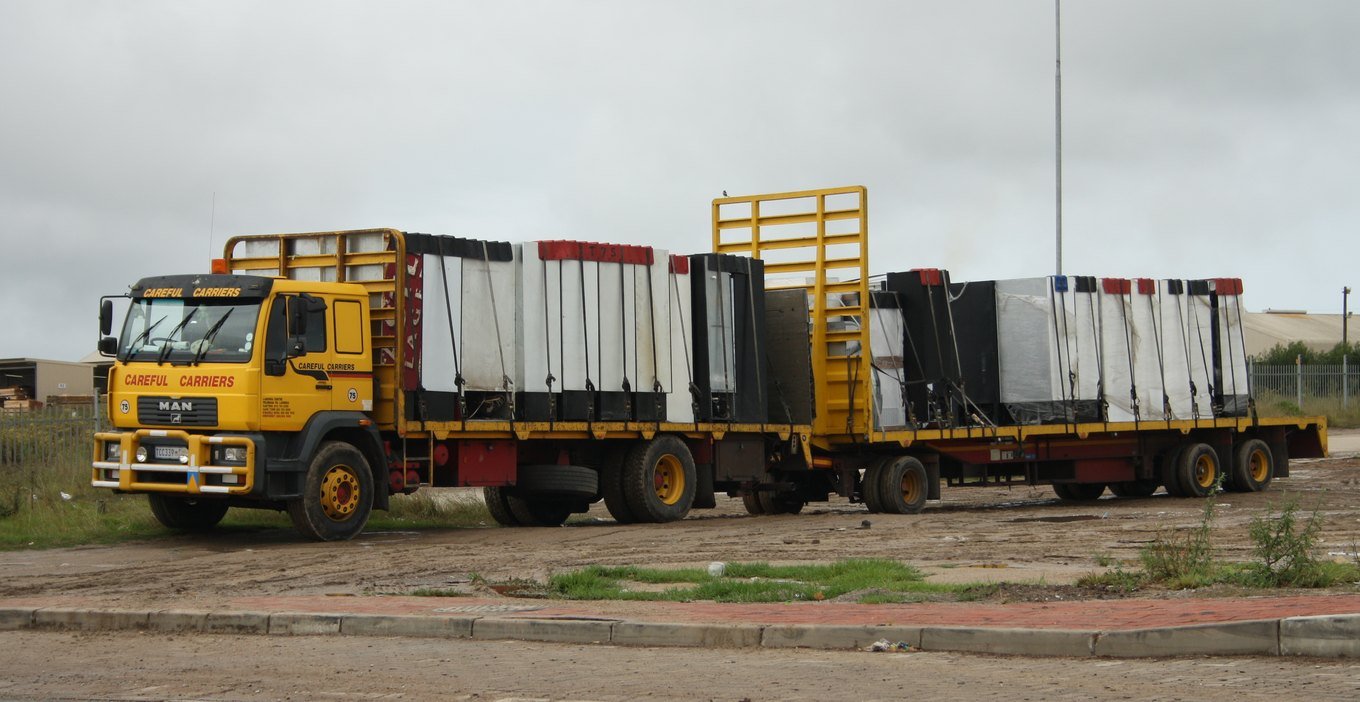
Photo: Bob Adams/Wikimedia Commons, licensed under CC BY-SA 2.0.
MAN trucks are built for demanding commercial work, and the driver’s seat is part of the working environment from the first kilometre to the last. Long-haul shifts, regional routes, distribution stops and depot movements all bring repeated entry, steady seat pressure, road dust and daily contact with workwear. Add food and drink, paperwork or equipment in the cab, and the original trim can start to look tired even while the truck remains dependable.
Custom MAN truck seat covers in South Africa help protect serviceable upholstery from routine wear while giving fleet operators a practical way to maintain a cleaner, more consistent cabin standard. The goal is not simply to hide the seat. A properly selected cover should suit the seat layout, the vehicle’s workload and the way the business cleans and manages its fleet. 
Why truck seat protection matters to fleet operators
Most seat damage develops gradually. Drivers slide across the bolster as they climb into the cab, grit caught in clothing rubs against the fabric, and pressure falls on the same areas over long shifts. Shared vehicles add variation because drivers may have different routines and equipment. These small repeated stresses can make a seat look worn before the truck has reached the end of its useful working life.
Maintaining the interior supports more than appearance. MAN truck fleets benefit from recording the seat layout, selected cover and approved cleaning instructions for each vehicle. A tidy cab is easier to present to staff, customers and inspectors, and regular cleaning is simpler when operators have a suitable surface and a clear care routine. Seat covers cannot restore upholstery that is already torn or structurally damaged, so inspect the original seat first. Protection works best when fitted while the trim is still serviceable.
Consider the truck’s route and daily work
MAN fleets can include linehaul units, regional transport trucks, distribution vehicles and mixed commercial operations. Each pattern places slightly different demands on the interior. A long-distance driver may spend many hours in the same position, while a distribution driver may get in and out repeatedly across the day. A truck visiting customer sites may also need to keep a more polished cabin appearance.
Before choosing a material, consider how dusty the cab gets in a normal week, how many drivers use the vehicle, whether loads or tools enter the cab, how quickly the team needs to clean it and how visible the vehicle is to clients. These practical details are more useful than choosing based on colour or a generic promise of toughness. Where the fleet does different jobs, a consistent overall standard can still allow for small adjustments where a route or use case is harder on the seats.
Choose a material for the working conditions
Material selection should match both wear and maintenance. A hard-working truck may need a durable option that stands up to frequent use; a vehicle with regular customer contact may need a balance between resilience and appearance. For a fleet that cleans cabs between drivers or routes, the ability to follow a simple wipe-down routine can be an important part of the decision.
- Long-haul operations: account for extended hours, repeated pressure and a stable cleaning routine.
- Regional routes: consider changing weather, depot dust and frequent entry and exit.
- Distribution work: plan for repeated stops, driver changes, paperwork and loading activity.
- Client-facing fleets: balance practical upkeep with a neat, consistent presentation.
Follow the care directions for the chosen material. Removing loose dust before wiping helps avoid grinding particles into the surface, and prompt attention to small spills is easier than dealing with set-in marks later. No material makes the cab maintenance-free, but a suitable cover can make routine care more straightforward.
Why custom-fit MAN truck seat covers are important
MAN cabs and seat layouts vary by model and configuration. Record the truck model, year, cab and seat features before requesting a pattern. The MAN South Africa cab overview can help identify the cab family; confirm the cover against the exact vehicle before ordering. Truck seats can vary by model, year, cab and trim. A cover should be matched to the actual seat, including headrests, armrests, belts, adjustment handles and other controls. A closer fit is less likely to shift or bunch through repeated use and gives the cab a more finished appearance than a loose universal cover.
When requesting a fitment recommendation, provide the MAN model and year, cab details, a count of the vehicles and clear photographs of the front, sides and rear of the seats. Note any seat differences within the fleet rather than assuming every truck is identical. Seat belts and operating controls must remain accessible and work as intended after installation.
Plan a repeatable standard across a MAN fleet
Fleet managers can make future orders easier for MAN truck fleets by recording each vehicle’s model, year, cab, seat layout, operating role and approved cover specification. This creates a reliable reference when adding trucks, replacing a cover or ordering for a second depot. It also helps the business compare equivalent options instead of relying on a broad vehicle label that may cover several seat configurations.
If the fleet includes multiple versions, start with a representative vehicle from each seat configuration. Confirm the fit and finish, record the approved material and colour, and then use that information for the remaining units. A clear specification can support consistency without forcing one solution onto vehicles that have genuinely different working conditions.
Make the protection decision before wear becomes a repair job
Replacing or refurbishing original trim can take planning and may interrupt vehicle availability. If work is done at different times, the fleet can also end up with an uneven interior standard. Considering seat protection while the original upholstery remains usable gives operators the chance to make a planned choice rather than responding after visible damage has accumulated.
Seat covers do not eliminate all maintenance or prevent every form of wear. They provide a practical barrier for the areas they cover and help the business establish a consistent cabin-care routine. The best result comes from suitable fit, an appropriate material and regular inspection rather than a set-and-forget approach.
Custom truck seat-cover support from Stealth
Stealth Seat Covers produces custom-fit covers for South African vehicle use, with fitment available at its premises in Polokwane, Limpopo. For MAN truck enquiries, share the model, year, cab, seat photographs, fleet quantity and typical work pattern. You can also review our truck and transport seat-cover information and fleet vehicle guidance.
Frequently asked questions
Are MAN truck seat covers mainly for long-haul use?
They are especially useful for long-haul work, but also help on regional and mixed commercial routes where drivers place repeated wear on the seats.
Can a MAN fleet use one seat-cover standard across different routes?
Yes. A business can set a general material and appearance standard, then adjust the specification where a particular truck’s workload or seat configuration calls for it.
Why are custom seat covers better than cheap universal covers for working vehicles?
Custom-fit covers are planned around the actual seat layout. Loose universal covers may shift or bunch under repeated use, leaving areas exposed and making the cab look untidy.
Can seat covers help a commercial fleet look more professional?
Clean, properly fitted covers help maintain a consistent cabin standard and support the impression that the fleet is looked after.
Discuss MAN truck seat covers for your fleet
Whether your MAN units handle long-haul, regional transport or distribution, a well-matched custom cover can support seat protection and everyday cabin care. Share the truck and seat details, vehicle count and operating conditions when you contact Stealth Seat Covers to discuss fitment and options.