

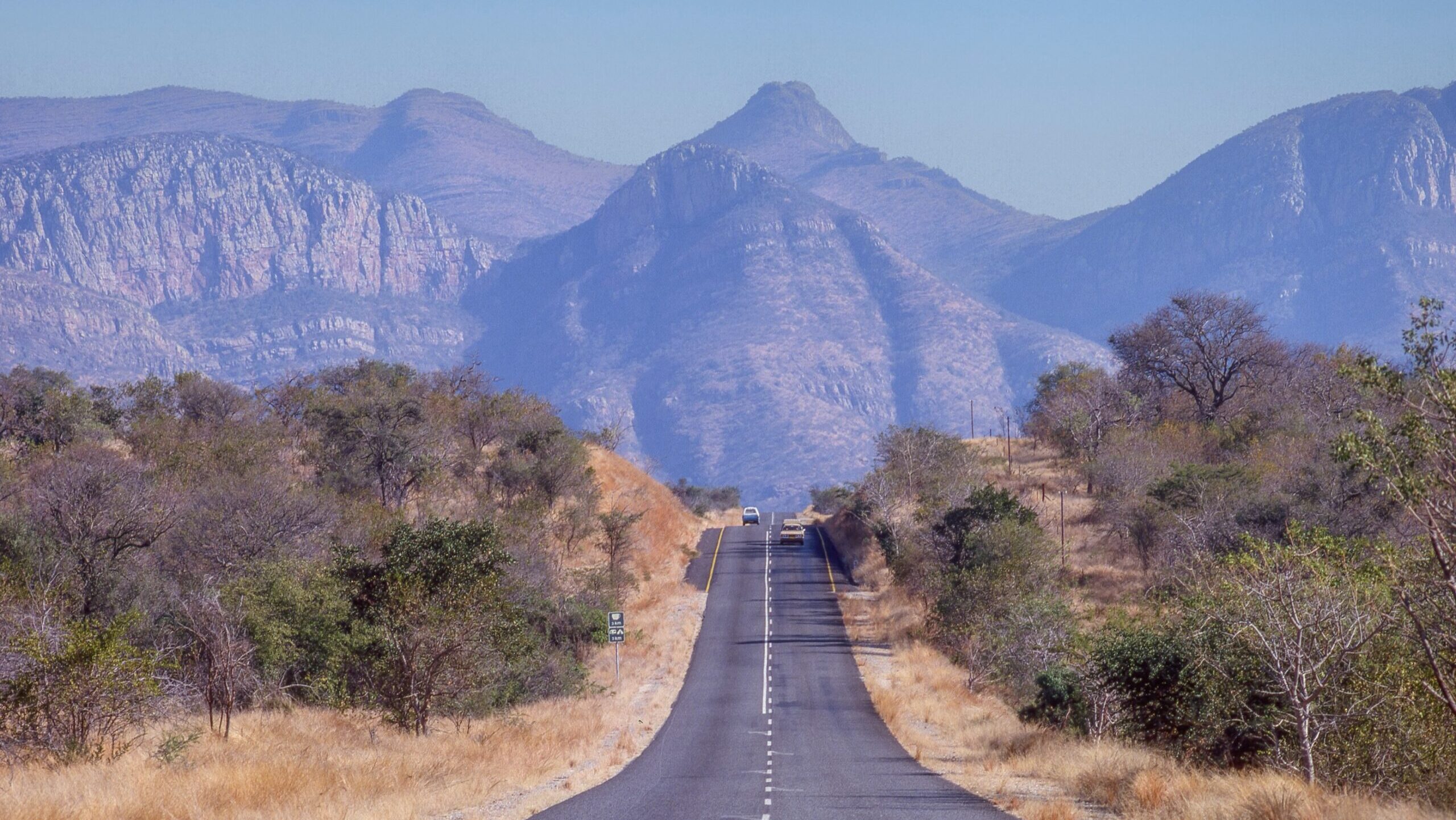
Protect Your Vehicle Seats from Limpopo Heat, Dust, and Mud
Many vehicle owners in Limpopo do not realise how much local conditions affect their seats until the damage is already obvious. Heat, dust and mud are not occasional problems in the province. They are part of everyday driving, working and family travel. Over time, those factors slowly wear down the cabin and make the original upholstery harder to keep looking clean and presentable.
This is one of the reasons seat covers make so much sense in Limpopo. They are not just for work vehicles or extreme off-road users. They are a practical form of protection against the environmental realities that ordinary vehicles face all year round.
In this blog, the focus is on understanding how heat, dust and mud actually damage seats and what owners can do to reduce that wear before it becomes expensive, frustrating or irreversible.
How Heat Affects Vehicle Seats
Limpopo heat affects seats in several ways. First, it accelerates general cabin wear. Sun and high interior temperatures can make surfaces feel older, drier and more tired over time, especially in vehicles parked outdoors or used daily in hot conditions. Second, heat increases the discomfort of a cabin that is already harder to keep clean, because marks and worn patches stand out more strongly in bright, harsh conditions.
Heat also works together with body oils, dust and daily friction. A seat that is hot and used constantly tends to show shiny wear, flattening and visible ageing sooner than many owners expect. This is especially true on the driver’s seat, which takes the highest daily load.
The key point is that heat is not always dramatic, but it is relentless. It slowly adds pressure to the interior every single week.

How Dust Builds Up Hidden Damage
Dust is one of the most underestimated threats to vehicle seats in Limpopo. People often think of dust as something that can simply be wiped off, but the reality is more frustrating. Fine dust gets into seams, stitching, folds and textured surfaces. It also combines with body movement and clothing friction to act like a slow abrasive layer.
In practical terms, that means every time a driver or passenger gets in and out, the dust contributes to wear. It may not be visible in a dramatic way at first, but over time it helps dull the look of the seat and makes the cabin harder to clean back to a fresh condition.
Vehicles used on gravel roads, farm routes, construction areas, mining roads or bush travel are affected even more. However, even ordinary town vehicles in Limpopo can see steady dust-related wear simply because of the broader environment.
How Mud and Moisture Make Things Worse
Mud is a bigger problem than just visible dirt on the floor. Mud usually arrives with moisture, which means the seat and cabin are not only dealing with mess but also with dampness. Wet clothing, muddy boots, rainy-day school runs, worksite use and farm travel can all transfer moisture to the seats, directly or indirectly.
Once that moisture mixes with dust and general daily use, the cabin becomes much harder to manage. Marks set in more easily, cleaning takes more effort and the original upholstery is placed under more strain. Even if each single event feels minor, the repeated pattern creates real wear over time.
That is why a practical protective barrier matters. A well-chosen seat cover can take the daily punishment while the original seat underneath stays in much better condition.
Why Seat Covers Are the Smart Preventative Solution
Seat covers are one of the easiest ways to reduce environmental wear before it becomes a major problem. Instead of dust, mud and friction landing directly on the original upholstery, much of that daily strain is transferred to the cover. That makes cleaning easier and gives owners far better control over the condition of the interior.
This matters across many types of vehicles in Limpopo, from family SUVs to work bakkies, taxis, farm vehicles and rural travel 4x4s. Different vehicles may need different material strengths, but the protective logic remains the same. A cover is a working layer that helps the cabin cope with local conditions.
The best results come when the cover is chosen properly for the vehicle and the owner’s routine. Prevention works best when it is matched to real use.
Choosing the Right Material for Limpopo Conditions
For lighter mixed-use vehicles, a durable synthetic polyester option can be a smart way to protect against everyday dust, heat and occasional mess. It gives practical coverage while still suiting ordinary family and personal use.
For harder-use vehicles, including farm bakkies, work vehicles, mining support units and rough-road 4x4s, a tougher heavy-duty material such as Riptech ripstop often makes more sense. It is better suited to harsher abrasion and stronger daily wear.
Leather-look options may be useful where wipe-down cleaning and a more premium finish are priorities, but they should still be chosen around how the vehicle is actually used. Limpopo conditions reward practical decisions more than purely aesthetic ones.
Why Custom Fit Matters for Real Protection
A loose generic cover cannot protect a seat as effectively as a properly fitted one. Universal covers often leave important areas exposed and can shift around with use, which reduces their usefulness. In some cases they even create extra friction rather than solving the problem.
Custom-fit covers are better because they match the seat layout more closely, sit more neatly and offer broader, more reliable coverage. That means the environmental wear is landing on the cover where it should, instead of slipping through to the original upholstery underneath.
For owners who actually want prevention rather than temporary cover-up, fit matters just as much as material.
Common Buying Mistakes
One of the biggest mistakes buyers make around vehicle interiors in Limpopo conditions is focusing only on the cheapest immediate option. Price matters, but the right question is what the cover will actually do after months of Limpopo use. If the cover shifts, cleans badly, wears too fast or fails to protect the important parts of the seat, the buyer has not saved money in any meaningful way. They have only delayed the problem and often made the cabin more frustrating to live with in the process.
Another common mistake is buying without thinking through the real daily routine of the vehicle. In many cases, everyday drivers, family owners, rural travellers and work-vehicle operators all interact with the same seats in different ways. Some bring dust, some bring moisture, some create heavier friction and some simply increase the frequency of use. When owners ignore those details and buy around assumption instead of routine, they often end up with protection that sounds good in theory but is mismatched in practice.
How to Decide What Your Vehicle Actually Needs
The best way to decide what your vehicle needs is to work backwards from how it is really used in Limpopo. Start with the vehicle role. Is it mostly for work, mostly for family life or a genuine mixed-use vehicle? Then look at what regularly enters the cabin. Does it see boots, tools, school bags, passengers, food, dust, mud, equipment or long hours in the sun? The clearer this picture becomes, the easier it is to choose the right level of seat protection for vehicle interiors in Limpopo conditions.
Owners should also think about cleaning routine and expected lifespan. A vehicle that is cleaned quickly and often may need a material that supports easy day-to-day wipe-downs. A vehicle that carries heavier wear may need a more rugged material first and foremost. In other words, the best answer is usually the one that matches cleaning reality, passenger load and long-term expectations, not the one that sounds most impressive in a short product description.
Why Early Protection Usually Costs Less Than Late Repair
By the time many owners start looking seriously at vehicle interiors in Limpopo conditions, the original seats are already showing wear. That is understandable because interior damage builds slowly. The seat still functions, so the problem is easy to postpone. But once staining, flattening, tearing or deep grime start showing through, the owner has already lost some of the value that earlier protection could have preserved. This is why seat covers are strongest as a preventative decision rather than only a rescue decision.
Even where a vehicle is not brand new, protection still makes sense because it can slow down further decline and help stabilise the look of the cabin. The practical win is that owners spend less time worrying about every mark landing on the original upholstery. They get a working barrier, easier maintenance and a stronger chance of keeping the interior presentable for longer. Over the life of a vehicle, that often turns out to be a much more sensible financial and practical choice.
Questions to Ask Before You Choose
Before buying vehicle interiors in Limpopo conditions, it helps to ask a few simple practical questions. How many people use the vehicle regularly? How rough are their clothes, boots or gear? How often does the vehicle see dust, mud or damp conditions? Is presentation important because the vehicle is customer-facing, guest-facing or part of a business image? These questions quickly separate light-use needs from heavy-use needs and make the buying decision far more accurate.
Owners should also ask what outcome matters most. Some want the toughest possible protection. Others want a cleaner-looking interior for mixed family and business use. Others care most about easier cleaning, preserving resale value or giving a high-use vehicle a more controlled, professional finish. Once those priorities are clear, choosing the correct seat cover for vehicle interiors in Limpopo conditions becomes much easier and far more strategic.
Conclusion
Heat, dust and mud damage vehicle seats in Limpopo in ways that are often gradual but relentless. They create extra friction, make interiors harder to clean and accelerate the tired look that comes from daily exposure to local conditions.
The smartest solution is not to wait until the damage becomes obvious. It is to protect the seats early with a custom-fit cover chosen around the vehicle’s real use. That gives the interior a stronger chance of staying cleaner, better looking and easier to maintain over time.
For vehicle owners who want practical seat protection built around Limpopo realities, Stealth Seat Covers offers a local option that makes sense for real South African use rather than idealised showroom conditions.
Ready to Protect Your Vehicle with Custom Seat Covers?
Whether you drive a work bakkie, family SUV, taxi, farm vehicle or commercial fleet vehicle, Stealth Seat Covers can help you protect your seats with durable, custom-made covers built for South African conditions. For pricing, fitment enquiries or to discuss the best option for your vehicle, Contact us.
Contact us today or visit our Showroom, Manufacturing & Distribution centre in Polokwane. Experience high quality seat covers designed for your lifestyle.
