

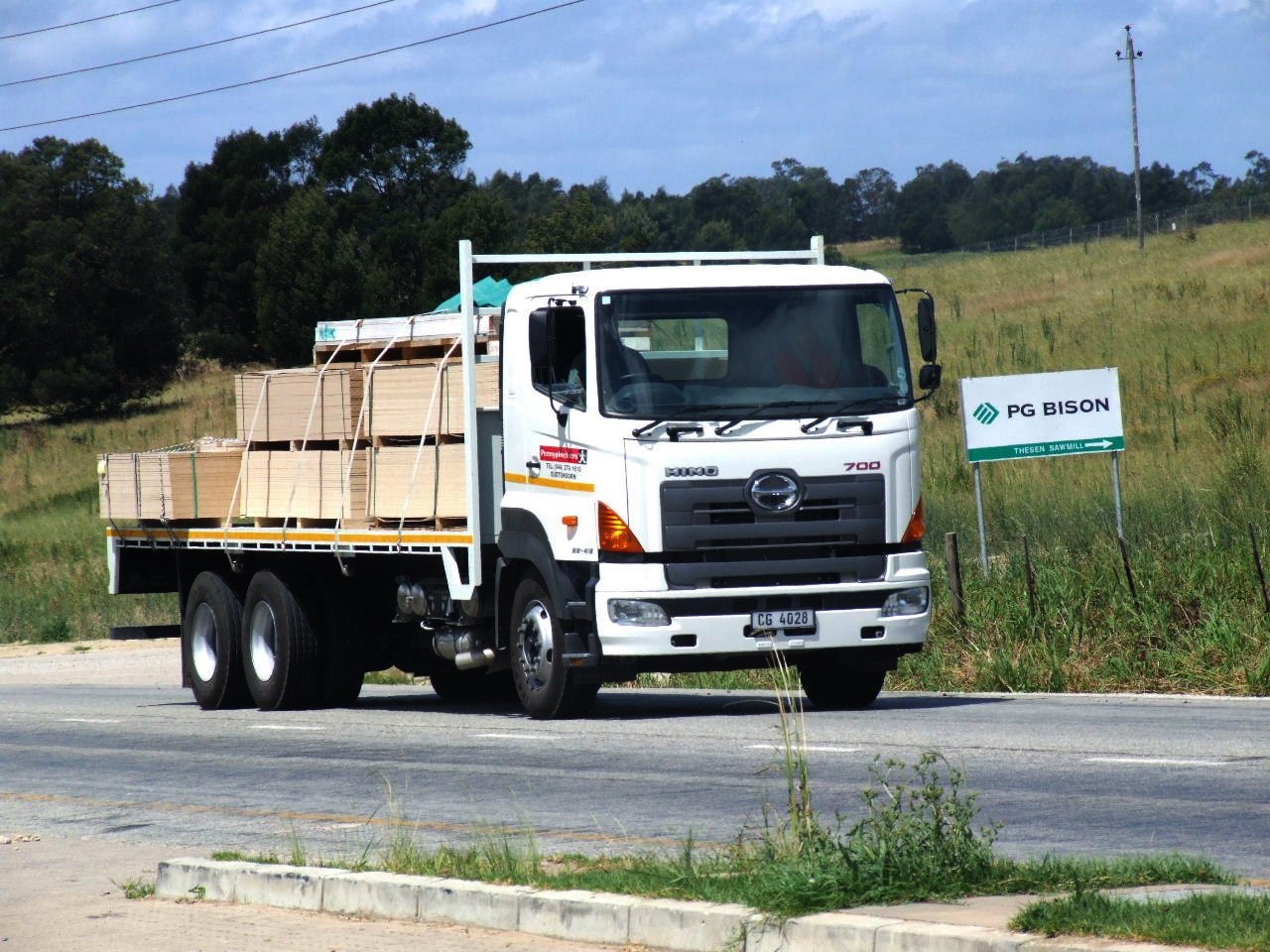
Hino truck seat covers in South Africa are a practical way to protect working cabs from daily wear. Delivery, distribution, municipal support and service trucks face repeated entry and exit, dusty loading areas, workwear abrasion, spills and busy cleaning schedules. A custom-fit cover helps shield serviceable original upholstery and keeps the cabin easier to maintain through ordinary commercial use.
Featured Hino 700 photo: Bob Adams, via Wikimedia Commons, licensed under CC BY-SA 2.0.
Why working Hino cabs need seat protection
Truck seats take wear in predictable places: the driver’s outer bolster, seat base and edges. Drivers climb in and out during deliveries, sit in work clothing, carry paperwork or equipment into the cab and return from depots, workshops and customer sites. Dust, sweat, food and drink spills and friction build gradually. Even when a truck is mechanically sound, a tired cabin can make the vehicle feel poorly maintained.
Seat covers add a protective layer over the trim and can make routine cleaning more straightforward, depending on the selected material and care instructions. They are a preventive measure rather than a repair for damaged seats. Choosing protection while the upholstery is still serviceable helps businesses maintain a cleaner, more consistent interior standard across their Hino vehicles.
Match the material to the truck’s daily work
There is no single material choice for every Hino fleet. A vehicle used on urban delivery routes may need a different balance of cleanability and comfort from a truck working on regional distribution or mixed service duties. Consider how many people use the cab, how often they enter and exit, how much dust or moisture gets inside, and how quickly the vehicle must be returned to service after cleaning.
- Delivery and distribution: think about frequent stops, repeated movement and quick cabin cleaning between shifts.
- Regional transport: consider long hours in the seat and the wear created by sustained daily use.
- Shared vehicles: plan for varied drivers, different work clothing and a consistent cleaning routine.
- Client-facing fleets: balance hard-wearing protection with a tidy, professional appearance.
Discuss the truck’s real operating conditions when comparing material options. A tough finish may suit higher abrasion and dirt, while some fleets may prefer a different look or feel. The right choice is the one that fits the actual seat and the work, not a generic description on its own.
Why custom-fit covers suit Hino trucks
Hino models and cab configurations can have different seat shapes, headrests, armrests, belts and controls. The cover should be matched to the specific truck and seat layout. A properly planned fit helps reduce shifting and bunching and gives the interior a more deliberate finish than a loose universal cover.
Before requesting a fit assessment, note the model and year, cab type, seat configuration and fleet quantity. Clear photos of each seat from the front, sides and rear can help identify headrests, armrests, adjustment levers and belt access. These details help establish what the cover needs to accommodate. Safety belts and essential controls should remain accessible and usable after installation.
Protect the fleet standard over time
For a fleet with several Hino trucks, record each unit’s model, year, seat layout and work role. Trucks in one fleet may look similar but have different seat configurations or operating demands. Keeping those details organised makes it easier to discuss future requirements and maintain a consistent appearance without assuming every unit needs an identical specification.
Seat protection also fits into routine vehicle care. Follow the selected material’s cleaning guidance, remove loose dirt before wiping and deal with small spills promptly. Regular inspections help identify movement, wear or cleaning needs early. Covers can protect upholstery from daily use, while sensible maintenance helps the cab stay presentable between services.
Stealth fitment for South African fleets
Stealth Seat Covers makes custom-made seat covers for vehicles working in South African conditions, with fitment based at its premises in Polokwane, Limpopo. Fleet buyers can include their Hino model and year, cab details, operating role, vehicle location and quantity when asking about suitable options. For broader truck applications, see our truck and transport seat covers and fleet vehicle seat-cover information.
Plan a practical fleet order
Before a fleet order, gather the same details for every truck: registration or fleet identifier, Hino model and year, cab type, number of seats to cover and the seat features that affect the fit. Note which vehicles have a fixed driver, which are shared, and whether some units operate on dustier routes or handle more stops. This helps separate different requirements instead of guessing from the badge alone.
For a first order, many businesses begin with a representative vehicle and confirm the desired fit, finish and cleaning routine before extending the specification across similar units. Keep a record of the agreed details and any differences between models. This supports more consistent future enquiries and makes it easier to plan maintenance or replacements without taking every vehicle out of service at once.
When comparing options, consider the usable life of the truck and the condition of its existing upholstery. Seat covers are most useful when chosen to protect trim that is still serviceable. A clear specification also helps avoid selecting a material solely because it is the same across the fleet when the work patterns differ.
Check the official Hino South Africa truck range when confirming the specific Hino model and vehicle configuration for seat-cover fitment.
Frequently asked questions
Are Hino truck seat covers only for heavy freight trucks?
No. They can suit Hino vehicles used for delivery, distribution, service, municipal support and other commercial work where daily use gradually wears the interior.
Can custom-fit Hino covers help an older truck’s interior?
A clean, properly fitted cover can improve the cabin’s presentation and help protect serviceable original upholstery from additional wear. It does not repair damaged trim.
Why choose custom-fit covers instead of universal covers?
Custom-fit covers are matched to the actual seat layout. That can help reduce shifting and bunching and create a neater finish for a truck that is used frequently.
What information should a fleet include when requesting options?
Share each Hino’s model and year, cab and seat details, photos, vehicle role, fleet quantity and location. This helps assess fit and material requirements for the trucks involved.
Discuss Hino truck seat covers for your fleet
Whether your Hino trucks handle local delivery, regional distribution or support work, a custom-fit solution can help protect the seats and support a consistent cabin standard. Share the truck details and operating conditions when you contact Stealth Seat Covers about fitment and material options.