

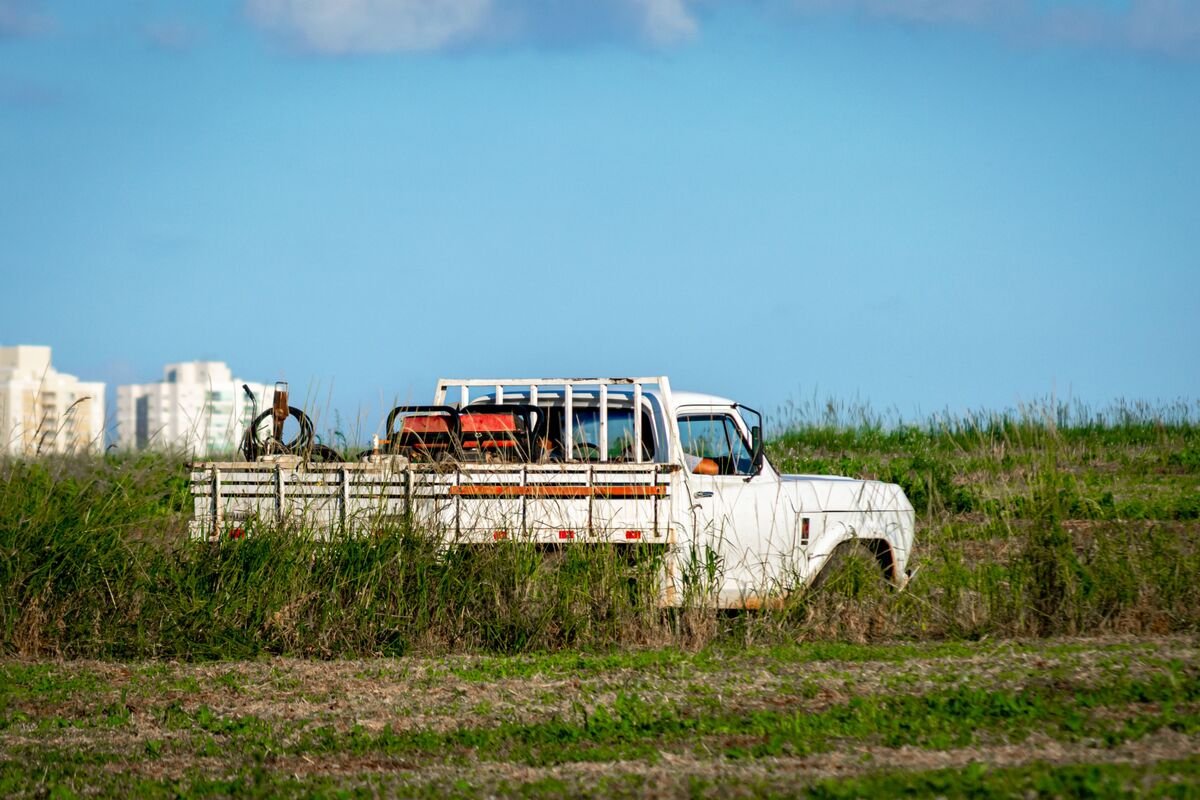
- Farm bakkies face dust, repeated entry, workwear abrasion and mixed-use demands; choose covers around the actual routine.
- Confirm the exact make, model, year, cab and seat configuration, including seat-mounted safety equipment, before ordering.
- Ask the manufacturer to confirm material performance, care instructions, fitment and fleet or dealership terms for the specific product.
Farm bakkies in Limpopo can move from gravel roads and orchard rows to town errands in the same day. Its seats see dust, workwear, tools and frequent entry and exit; on a family farm, the same vehicle may also carry passengers, groceries and pets. A useful seat-cover choice starts with that real pattern of use, not a broad claim that one material suits every farm.

Quick answer: Seat covers for farm bakkies should match the exact seat pattern, the work performed and the way the vehicle is cleaned. Before ordering, confirm vehicle details, safety features, material specifications and fitment arrangements with the supplier.
How farm work changes seat wear
Seat wear is shaped by the workday. A driver who checks orchards or fences may enter and leave the cab dozens of times, carrying dust on clothing and placing extra pressure on the seat edge. A bakkie used to transport staff may have several drivers, so seat adjustment and passenger movement increase. Tools, sample bags or protective equipment can also catch on the seat surface when placed inside the cab.
These are different demands from a vehicle used mainly for commuting with occasional gravel-road travel. Make a short list of the jobs the bakkie performs, who uses it, what tends to make the interior dirty and whether the vehicle has a canopy or storage arrangement that changes how passengers enter. This practical record helps the supplier discuss an appropriate cover without assuming that every farm vehicle needs the same option.
Questions to ask when comparing materials
Ask for the specification of the exact material proposed for your seat pattern. If dust, mud, oil or water is part of the work, explain the exposure and ask what the material is designed to handle. Confirm how stains should be removed and which cleaning products to avoid. If comfort in hot weather or a particular colour matters, raise it before choosing so the available options can be compared clearly.
Do not treat broad labels such as heavy-duty or waterproof as a substitute for product details. Request clear information about the material, seams, expected care and any limits. A supplier should be able to explain what is confirmed for the selected cover and what depends on how it is used.
Preparing for fitment and checking the finished cover
Before the appointment, remove personal items and clean the cabin enough for the installer to inspect the seat. Bring the vehicle details and point out any repairs, loose trim or seat features that could affect how a cover sits. Ask whether the bakkie needs to be available for a particular length of time and whether all seats can be fitted during the same visit.
After fitment, check that covers sit evenly and do not interfere with seat adjustment, buckles, belt access or controls. Confirm the installation guidance and the process for reporting a fit concern. A short inspection after the first period of use can help catch movement or friction early, especially on a shared vehicle used across shifts.
Care habits for a working bakkie interior
Follow the cleaning instructions supplied with the covers and remove loose dust with the recommended method before it builds up around seams. Clean spills promptly using an approved product, then allow the surface to dry as directed. Avoid harsh chemicals or pressure that could damage the material. During routine vehicle checks, look for movement, loose fasteners or areas of unusual friction and arrange an inspection if fit changes.
Keep the original seat belts, buckles, controls and head restraints accessible and correctly positioned. Do not cut or alter a cover to make it fit. If an airbag indicator, seat control or other safety feature is affected after installation, stop using the affected seat and contact the installer or vehicle dealer for guidance.
Planning for more than one farm vehicle
For a group of bakkies, keep a record of the make, model year, cab style and seat layout for each vehicle. Even vehicles with the same badge can use different seat patterns, so confirm rather than assume. A simple register can also note material choice, installation date, care guidance and any follow-up inspection, making replacements easier to plan across the fleet.
When comparing quotes, check that they cover the same vehicle details and scope of work. Ask about the number of vehicles that can be handled per visit, current lead times, delivery or fitment arrangements and how changes to the vehicle list are managed. Confirm pricing and availability directly with the supplier before scheduling work.
Match protection to the farm routine
Think through who uses the bakkie and what reaches the cabin. Does it carry farm staff, fencing gear or tools? Is the driver in and out of the vehicle all day? Is the bakkie mostly a personal vehicle that also travels on farm roads? The answers help clarify whether abrasion resistance, straightforward cleaning, a tidy appearance or a balance of these matters most.
Dust and dry soil can work into seams and high-contact areas. Mud or wet clothing may add moisture, while repeated entry places friction on seat edges. These conditions vary from one operation to another, so ask which current material is appropriate and what cleaning products or methods the manufacturer recommends.
Custom fit for farm bakkies starts with accurate vehicle details
Custom-tailored covers are made for a defined seat pattern, so details matter: make, model, year, cab style, seat count, headrests, armrests, seat controls and rear-bench layout. A Toyota Hilux, Ford Ranger or Isuzu D-Max can have different seats across model years and trims. Send the full vehicle details and clear seat photos if requested.
For farm bakkies with side airbags or other seat-mounted safety equipment, confirm cover compatibility before installation. You can also refer to the South African government’s vehicle specification on seats and airbags and follow the vehicle manual. The selected cover and its installation must be compatible with the vehicle’s safety features. Confirm fitment and installation guidance before work begins.
Choosing material for farm bakkies and agricultural work
There is no single best material for every farm vehicle. Farm bakkies used for different jobs should be compared by workload, cleaning needs and exact seat design. A bakkie carrying staff and equipment daily may need a different specification from an owner’s mixed-use vehicle. Compare available materials by their stated abrasion performance, cleaning guidance, comfort and suitability for the seat pattern. Ask the manufacturer for the current specification in writing if a particular property, such as water resistance, matters to your decision.
Do not assume “waterproof” from a product name or general description. Resistance to liquid depends on the specific material, seams and use. Confirm what the exact cover can handle, how to clean it, and what care avoids damaging the fabric.
Fitment and care checklist
- Record the make, model, year and cab style.
- Photograph the front seats, rear bench and any unusual seat features.
- Note side airbags, seat controls, armrests and split seats.
- Describe the farm tasks and how many people use the vehicle.
- Ask for the material specification, cleaning method, fitment process and lead time.
Stealth Seat Covers has a showroom, manufacturing and distribution centre in Polokwane. Use the contact page to check the pattern and current options for your vehicle. The seat-cover range provides product information; confirm any performance claim with the team for the specific material you plan to order.
For agricultural fleets and dealerships
For farm bakkies in a fleet, gather one fitment record per vehicle rather than assuming every bakkie in a fleet is identical. Include model year, cab, seat configuration and safety equipment, then confirm whether a common material and colour suit the whole group. Dealers and fleet managers can ask Stealth about current partner terms, batch orders, delivery planning and support; confirm availability and pricing directly before committing to a schedule.
Frequently asked questions
Which seat covers are best for farm bakkies in Limpopo?
The right choice depends on the exact seat and the farm routine. Describe the work, cleaning needs and number of drivers, then ask which currently available material matches those requirements.
Are custom-tailored covers better than universal covers?
Custom-tailored covers are made around a specific seat pattern and can provide a more precise fit. Accurate vehicle year and seat details are essential to select the correct pattern.
Are farm bakkie seat covers waterproof?
That depends on the specific material and construction. Ask the manufacturer to confirm the product’s water-resistance specification and care instructions; do not rely on a general label.
What details should I provide for a Hilux, Ranger or D-Max?
Provide the model year, cab style, seat layout and any headrests, armrests, controls or side airbags. Photos of the seats can help confirm the pattern.
Can a farm or dealership order covers for several vehicles?
Yes, enquire with a vehicle list and quantities. The fitment details for every vehicle should be confirmed before a quote or production plan is finalised.
Choose for the work the bakkie actually does
Good protection for farm bakkies comes from an accurate fit, a material suited to the workload and clear care instructions. For custom seat covers in Limpopo, contact Stealth Seat Covers in Polokwane with the vehicle details and ask the team to confirm current material and fitment options.