


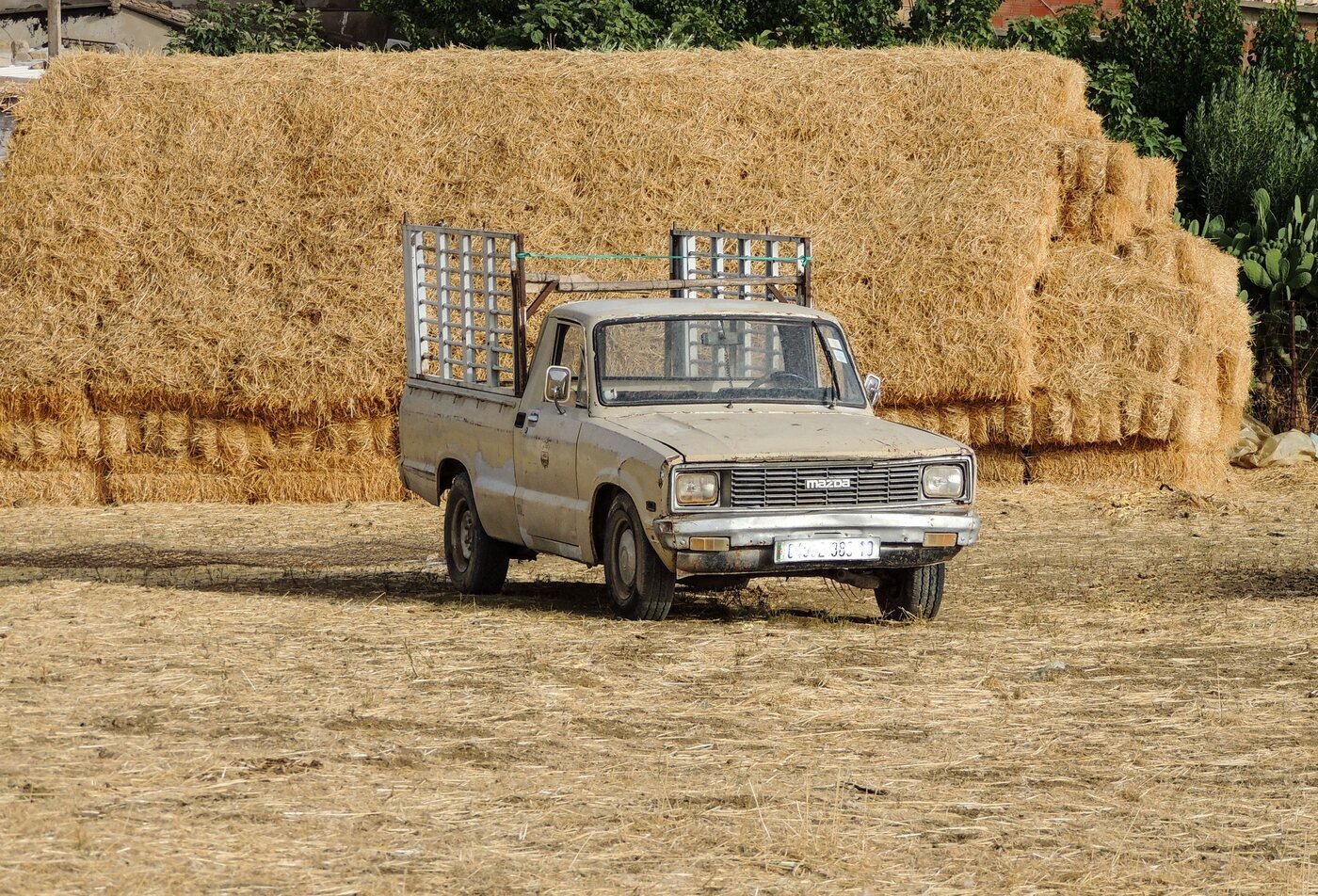
Quick Answer: Farm bakkie seat covers in South Africa should be selected for the actual mix of mud, feed dust, tools, work clothing, dogs and repeated daily use the vehicle faces. Custom-fit covers help shield original upholstery, simplify routine cleaning and keep a working cabin looking orderly. Stealth Seat Covers makes vehicle-specific covers for South African conditions, with fitment at its premises in Polokwane, Limpopo.
Before ordering custom farm bakkie seat covers, confirm the exact seat layout and any seat-mounted airbag features. Follow the vehicle owner’s manual and the cover maker’s fitment guidance so the cover does not obstruct an airbag. See NHTSA’s air bag safety guidance for general information.
A farm bakkie is often a mobile work space. It may travel between fields, workshops, stores, livestock areas and town, carrying people and equipment throughout the day. Hilux, Ranger, D-Max, Navara, Land Cruiser and other bakkies can all be exposed to dirt and friction that private-use upholstery rarely sees. The right cover is a practical way to protect the seat fabric while keeping the cabin easier to maintain.
Farm Bakkie Seat Covers South Africa: practical protection for farm work
Farm work brings a steady stream of soil, dust and equipment into the cab. Mud on boots, feed dust, red dirt and damp clothing can mark the seats. Tools, fencing gear and workwear can catch on fabric or rub against bolsters. Some bakkies also carry dogs, water bottles and supplies, adding more chances for stains and abrasion. Long days in the sun and regular entry and exit add to the wear.
Damage builds gradually: a high-contact area becomes faded or rough, cleaning takes longer, and a small tear can make the whole interior look neglected. For businesses, that can affect how staff, visitors and clients view the vehicle. For owner-operators and families who use one bakkie for both farm and personal trips, a cleaner cabin is more pleasant for everyone.
Seat covers create a removable protective surface over the original upholstery. They are not a substitute for regular cleaning or careful use, but they can make day-to-day dirt easier to manage and help reduce direct wear on the seat material underneath.
Choose custom farm bakkie seat covers for the work, not just the look
Farm bakkie seat covers need a finish that matches the vehicle’s workload. A durable synthetic polyester can suit everyday work where practical protection and straightforward cleaning are priorities. A tougher Riptech or ripstop-style material may be suitable for more demanding agricultural use, frequent friction or dirt-heavy routes. A leather-look finish can work in a cleaner supervisor or client-facing vehicle, but it may not be the right choice for every muddy work bakkie.
Before choosing, think about how the vehicle is used in a normal week. Does it spend most of the day on dusty farm roads, carry fencing equipment, transport workers, visit clients or move between operational and family duties? How often is the cab cleaned? Does the driver need a surface that can be wiped down quickly? These details help match the material to the workload instead of paying for a finish that does not suit the job.
Why custom farm bakkie seat covers matter on rough farm roads
A universal cover can seem convenient, but loose fabric may shift, wrinkle or bunch when a driver climbs in and out repeatedly. Movement can expose the seat areas that wear first and make the cabin look untidy. A custom-made cover is shaped for the vehicle’s specific seat layout, helping it sit more neatly and cover the areas that need protection.
Fit depends on the exact vehicle and seat configuration. When asking for a recommendation, share the make, model, year and details such as separate or integrated headrests, armrests and seat features. If a farm runs different bakkie models, list each one separately so the covers can be matched correctly rather than assuming a single set will suit the whole fleet.
Make seat protection part of fleet care
For a farm or agricultural contractor operating several vehicles, custom farm bakkie seat covers can provide a consistent approach to cabin protection. The heaviest-use bakkies may need a more rugged specification, while a supervisor’s vehicle that regularly carries visitors may need a different balance of durability and presentation. Group vehicles by their role and cleaning needs, then choose materials accordingly.
Protected seats can support tidier handovers between drivers, reduce cleaning frustration and help a business maintain a more professional-looking fleet. They may also help preserve the original interior’s condition. Seat covers cannot prevent every kind of damage, and they do not replace maintenance, but they provide a sensible layer between everyday work and factory upholstery.
Custom seat covers for South African farm vehicles
Farm conditions vary widely across South Africa, from dry, dusty routes to muddy fields and busy mixed-use properties. A useful recommendation starts with the vehicle and its real working conditions. Stealth Seat Covers manufactures custom-fit seat covers for vehicles used in tough local environments and can discuss practical material choices based on how the bakkie is used.
Fitment is carried out at Stealth Seat Covers’ premises in Polokwane, Limpopo. Customers should provide vehicle details in advance and discuss the seat layout and intended use with the team. This is particularly useful for agricultural businesses with multiple vehicles or a mix of bakkies, SUVs and other work vehicles.
For broader agricultural and earthmoving vehicle protection, see agricultural and earthmoving seat covers. You can also browse the seat cover range to understand available materials and finishes.
Five practical choices before ordering custom farm bakkie seat covers
Use these choices to match protection to the bakkie’s real work. The right setup depends on its seat design, typical loads, cleaning routine and who drives it.
1. Match protection to the vehicle’s work
Start with what the bakkie does most days. A field vehicle carrying tools, feed or fencing gear faces different wear from a supervisor’s bakkie that visits clients and carries staff. A family vehicle used for farm errands may need a balance between durability and a tidy finish. Note the areas that receive the most contact, such as the driver’s outer bolster and seat base, then describe these uses when you enquire.
2. Select a material for the conditions
For everyday agricultural use, a durable synthetic polyester may provide a practical balance of protection and cleaning. A Riptech or ripstop-style material may suit harder use where abrasion and regular movement are concerns. A leather-look finish may work in a cleaner, client-facing cab, but it is not automatically the best fit for muddy work. Compare the options against dust, damp clothing, workwear and the way the vehicle is used rather than choosing by appearance alone.
3. Specify the exact seat and cab layout
Give the make, model, year and cab configuration for each bakkie. Mention separate or integrated headrests, armrests and other seat features. Different versions of one model can have different seat shapes, so an accurate match matters. A vehicle-specific cover should be planned around the actual seat rather than assumed to fit every bakkie. If the farm has a mixed fleet, list every vehicle and its seat details separately.
4. Check safety features before fitting
Some seats contain side airbags or occupant-detection systems. Check the vehicle owner’s manual and confirm compatibility with the exact seat before fitting a cover. Keep deployment areas, sensors and belt buckles clear. If you are unsure about a seat feature, seek guidance from the vehicle manufacturer or a qualified professional. This check is especially important when the bakkie has a different trim or seat configuration from another vehicle in the fleet.
5. Plan cleaning, drivers and fitment
Consider whether one person or several drivers use the bakkie, how often the cabin is cleaned and whether the vehicle works alongside other farm vehicles. A consistent material choice can simplify routine care, while different work roles may call for different finishes. For fitment at Stealth Seat Covers’ premises in Polokwane, Limpopo, discuss the vehicle details and seat layout with the team in advance. Continue to inspect and clean the covers as part of normal vehicle care.
Farm work across South Africa
A bakkie used on a dry inland property may collect fine dust, while a vehicle on a wetter route may regularly carry damp clothing and muddy footwear. Some vehicles move between fields and town in a single day; others transport workers, tools or visitors between sites. These differences affect the material and care routine that make sense. Custom farm bakkie seat covers should be chosen for each vehicle’s regular use, not only for a province name or a generic description of farm work. Share the actual operating conditions so the recommendation can reflect the job.
Frequently asked questions
Are custom farm bakkie seat covers worthwhile for daily farm use?
Custom farm bakkie seat covers can be a practical choice when the vehicle regularly carries dirt, tools, work clothing or passengers. A well-fitted cover helps protect the original seats and gives the cabin a surface that is easier to manage during routine cleaning.
What material is best for a working farm vehicle?
It depends on the work. Durable synthetic polyester may suit everyday use, while Riptech or ripstop-style material can be considered for more demanding conditions. The vehicle’s workload, cleaning routine and desired finish should guide the choice.
Can one set of covers fit different bakkie models?
Seat covers need to match the particular vehicle and seat configuration. Provide the make, model, year and relevant seat details for each bakkie, especially when requesting covers for a mixed fleet.
Where is fitment carried out?
Stealth Seat Covers carries out fitment at its premises in Polokwane, Limpopo. Contact the team to discuss your vehicle details and the appropriate fitment arrangements.
Protect your farm bakkie
Custom farm bakkie seat covers can help keep hard-working interiors cleaner, more presentable and better protected from everyday agricultural use. Whether you run one work vehicle or a mixed fleet, choose a cover and material around the job each vehicle does. Contact Stealth Seat Covers with your make, model, year and seat details to discuss a suitable custom-fit option.
Simple care for farm bakkie seat covers
A simple cleaning routine helps keep the cab presentable between farm jobs. Start by checking the care guidance supplied for the chosen cover material, because cleaning methods can differ. Remove loose dust and dry soil with a soft brush or vacuum attachment, taking care around seams and fitted edges. For a spill, follow the material instructions and deal with it promptly; avoid scrubbing aggressively or applying a chemical cleaner unless the care guidance allows it.
After cleaning, allow the cover to dry fully before the vehicle returns to regular use. Damp fabric left in a closed cab can become uncomfortable and may hold odours. Do not use high heat or a pressure washer on a cover unless the manufacturer specifically recommends it. These precautions help avoid damage to the material, stitching or fit.
During routine checks, look for shifted fabric, loose fastenings, worn seams or areas that collect repeated friction. Refit or adjust a cover only according to its instructions. Make sure seat controls, seat belts and any airbag deployment areas remain unobstructed. If a cover moves repeatedly or no longer fits correctly, ask the supplier to review the vehicle and seat configuration rather than forcing it into place.
For a farm with several bakkies, assign a basic cleaning schedule to each vehicle and note any different material-care requirements. A quick check at a driver handover can catch soil, spills or a loose edge early. Consistent care keeps the interior easier to manage and helps the team notice when a cover needs attention.