

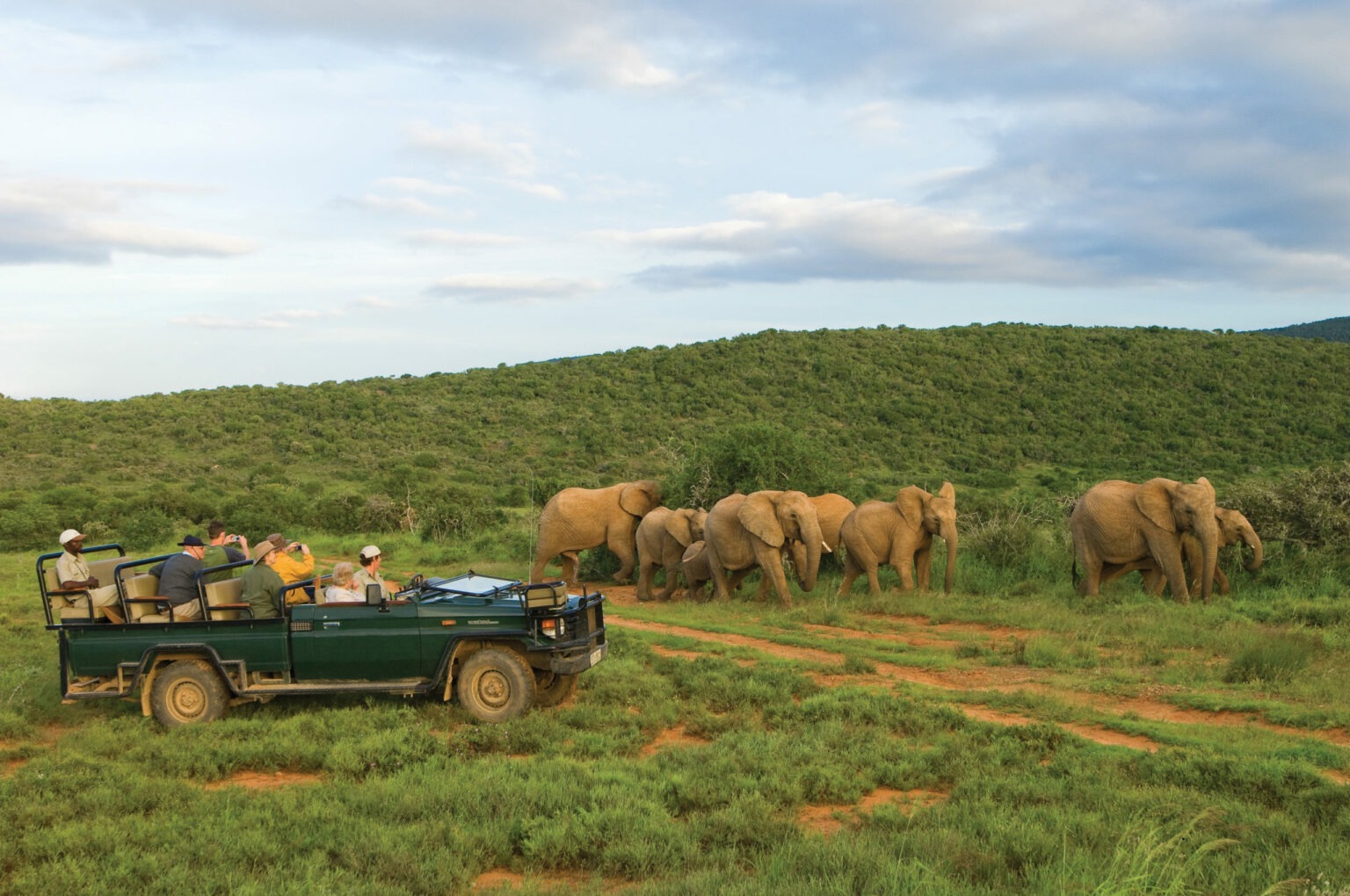
Eastern Cape safari vehicle seat covers should balance passenger comfort, an appropriate fit and a cleaning routine that suits the vehicle. Game viewers, lodge transfers and bush bakkies may encounter dust, outdoor clothing, sunscreen, camera bags and frequent guest turnover. Stealth Seat Covers is based in Polokwane, Limpopo; confirm vehicle compatibility and current fitment arrangements before travelling from the Eastern Cape.
Eastern Cape safari seat covers: quick answer
For Eastern Cape safari seat covers, share the vehicle make, model, year, trim, seat layout and intended role. Explain whether it carries guests on open drives, transfers or mixed routes. Ask about material feel and care, seat features, airbag compatibility, cost, installation scope and where fitment is available.
Understand guest use and cleaning
Repeated boarding and exiting can rub the driver’s bolster and seat base. Dust, grit, damp jackets, sunscreen and bags can mark seat surfaces. Consider how often the vehicle is cleaned between trips and whether guests need a comfortable, presentable interior. Open vehicles, closed SUVs and transfer vehicles can have different seat layouts and exposure.
Choose material based on the vehicle and maintenance routine. Compare the current options, appearance, feel and cleaning instructions with the supplier. Avoid assuming a fabric is waterproof, stain-proof or suited to a particular cleaner without product-specific guidance.
Check the vehicle and seat design
Seat shape may change between model years and trims. Headrests, armrests, split benches, belts, integrated controls and side airbags can affect cover design. For Eastern Cape safari vehicle seat covers, provide accurate vehicle details and mention any modifications or seat changes. Ask the supplier to confirm compatibility before ordering.
Explore the safari and game-viewer seat cover information and the seat cover range. Confirm that a listed option suits your exact vehicle and intended use.
Eastern Cape safari safety and fitment arrangements
Tell the fitter about side airbags and seat-mounted controls. Covers must work with the vehicle’s safety systems and be installed in line with manufacturer guidance. Renault’s owner guidance on side airbags says seats with airbags require covers designed for that vehicle; check your own vehicle manual and supplier confirmation. After installation, check that belts, buckles, headrests and controls remain accessible and functional. Ask for an inspection if anything appears obstructed.
Stealth Seat Covers is based in Polokwane, Limpopo. Eastern Cape safari operators should confirm current compatibility, fitment location, appointment and collection details directly with the company before planning a trip. Request a quote that explains seats included, material, timing, warranty and installation scope.
Keep the guest experience in mind
For a vehicle used on several drives each day, consider how quickly the seats need to be checked and cleaned between trips. Ask which cleaning method is suitable for the selected cover and whether the material’s texture or colour suits the operator’s presentation requirements. Confirm that optional features do not affect seat access, belts or guest comfort.
Plan for guests and mixed-route use
Before selecting a cover, describe how the vehicle operates during a typical week. A game viewer used for short Eastern Cape safari drives has different exposure from a closed lodge transfer that carries guests and luggage between an airport, accommodation and activity sites. Some vehicles move between town roads, gravel access roads and reserve tracks. These details help the supplier discuss fit, material feel and maintenance expectations for the actual use rather than relying on a broad label such as safari vehicle. An Eastern Cape safari vehicle used on mixed routes may need different cleaning and fitment considerations from a closed transfer SUV.
Also consider passenger clothing and equipment. Sunscreen, dust, damp jackets, camera bags and repeated boarding can affect the surfaces and seams over time. The driver seat may experience more friction than passenger seats, while rear seats may need more attention to guest comfort and quick cleaning. Note these differences when requesting advice.
Compare material, fit and care before deciding
Ask what current materials are available for the vehicle and what their care instructions allow. A cover should fit the seat layout and work with headrests, belts, armrests, controls and any side airbags. Discuss how the material feels for short journeys and longer transfers, and whether the supplier recommends any specific cleaning method. Do not assume that a material is waterproof, stain-proof or suitable for a chemical cleaner unless the product information confirms it.
Fit is also important when choosing Eastern Cape safari seat covers for a guest vehicle. A loose cover may move during use, while a poorly selected design may affect access to controls or make boarding less comfortable. Share the exact model year, trim and seat configuration, and ask the fitter to flag any compatibility questions before manufacturing or installation.
What to confirm in a quote
Request a written quote that identifies the vehicle and seats covered, selected material, optional extras, installation arrangements, expected timing and warranty terms. If several game viewers or lodge vehicles are involved, ask whether the quote applies to each vehicle individually. Different model years or seat trims may need separate checks, even when the vehicles appear similar.
- Confirm vehicle make, model, year, trim and seat layout.
- Disclose airbags, seat-mounted controls, modifications and unusual seat features.
- Ask which cleaning instructions apply to the chosen material.
- Confirm fitment location, booking and collection arrangements.
- Check what the quote includes before approving the work.
Maintain covers between guest trips
Follow the supplier’s care instructions and check the covers during the normal vehicle turnaround. Remove loose dust and debris using the recommended method, and ask before using detergents, solvents or pressure equipment. For Eastern Cape safari vehicles, check that belts, buckles, headrests and controls remain accessible after cleaning and after any seat adjustment. If a cover shifts, becomes damaged or seems to obstruct a safety feature, stop using the affected seat until the fit is checked.
Stealth Seat Covers is based in Polokwane, Limpopo, so Eastern Cape operators should confirm travel and fitment plans directly before booking. Sharing clear vehicle details early can help the conversation focus on compatibility, material selection, care and practical arrangements for Eastern Cape safari vehicles.
Frequently asked questions
What details should a lodge send for a seat cover quote?
Provide the vehicle make, model, year, trim and seat layout, plus photos if requested. Explain passenger use, exposure and cleaning routine, and mention airbags or seat modifications.
Which cover material is best for a game viewer?
It depends on the vehicle, guest comfort needs, exposure and cleaning routine. Compare current material options and care instructions with the supplier before deciding.
Can a custom seat cover be made for an open safari vehicle?
Ask the supplier to check the exact vehicle and seat configuration. Open or modified vehicles may require specific measurements and a compatibility check.
Where is Stealth Seat Covers located?
Stealth Seat Covers is based in Polokwane, Limpopo. Confirm fitment availability and arrangements before travelling from the Eastern Cape.
Can seat covers affect airbags or belts?
An unsuitable cover may obstruct safety features. Disclose airbags and seat details, follow manufacturer guidance and ensure belts and controls remain accessible after installation.
Ask about your tourism vehicle
Send vehicle details and describe its guest use, then confirm compatibility, materials, quote and Polokwane arrangements with Stealth Seat Covers.