

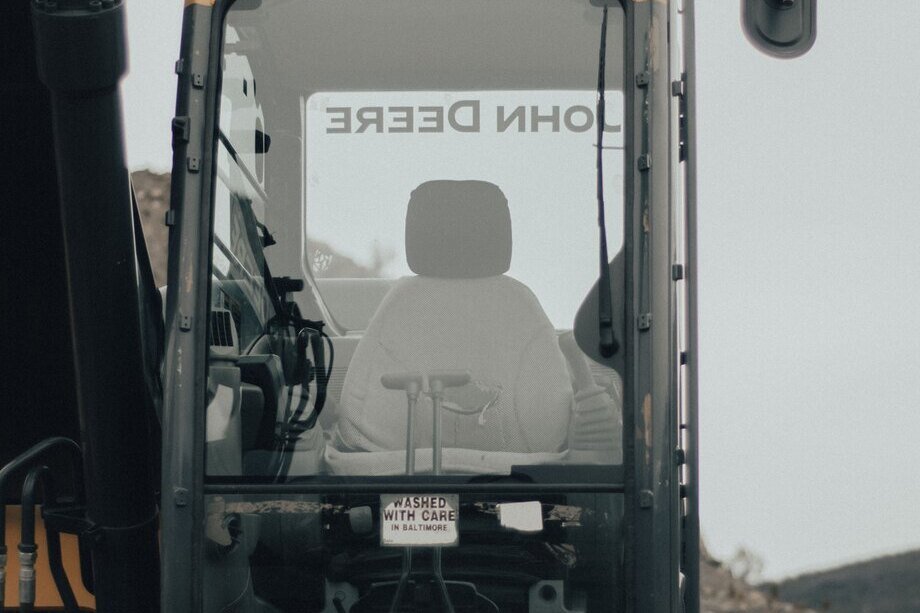
Earthmoving machine seat covers protect operator seats from abrasive dust, mud, grease and repeated daily use. Excavators, loaders, backhoes, graders and dump trucks have different seats, so a useful fit starts with the exact machine and seat details. Earthmoving machine seat covers should be selected only after seat features and access points have been reviewed.
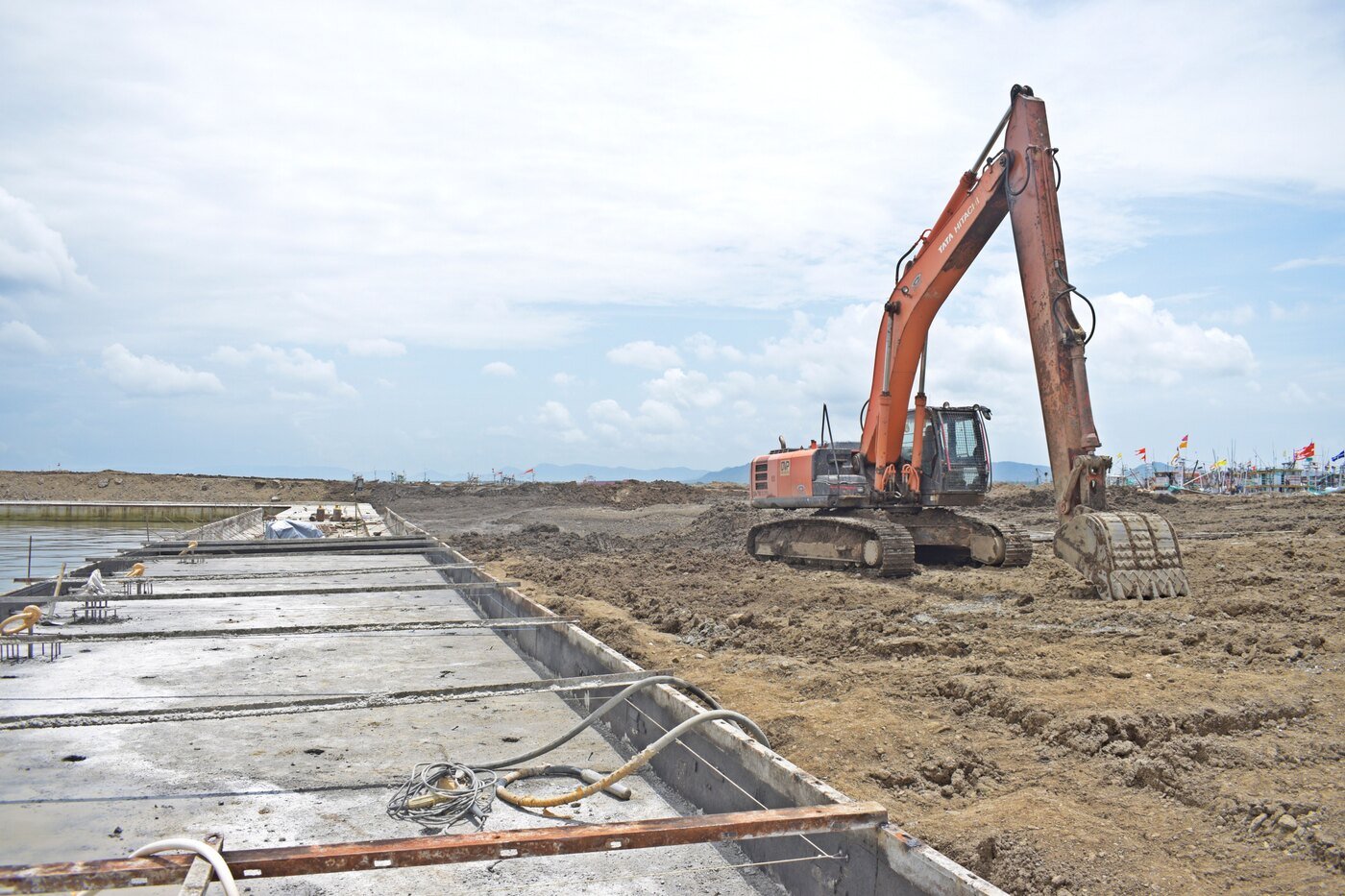
Why protect earthmoving machine seats?
Operators climb in and out wearing dusty or damp workwear, adjust position through long shifts and work in cabs exposed to vibration, heat and site grime. Repeated friction can wear seat edges and bolsters. Dust and grease can also make original upholstery harder to keep clean.
On plant-hire, mining, quarry and construction fleets, a tidy cabin supports operator comfort and equipment presentation. A fitted cover adds a practical layer over usable upholstery and may make routine cleaning easier. It does not replace equipment maintenance or correct seat-care practices.
Choose protection for the real working conditions. Describe the usual contaminants, cleaning method, exposure to sun and number of operators sharing the machine. Avoid assuming a cover is waterproof, fire-resistant or suitable for a particular seat until those details are confirmed with the supplier.
Five essential fit checks before ordering
1. Identify the exact machine
Record the make, model and year, along with any variant or cab configuration. Machines in the same product family can use different seat shapes or features. Earthmoving machine seat covers should be assessed against the actual operator seat, not just the equipment category.
2. Photograph every important seat detail
Take clear photographs from the front, both sides and rear. Include the seat base and a wider view showing the cab. Point out armrests, headrests, seat belts, adjustment levers, suspension bases and any integrated controls.
Good photos help a fitment team understand the seat before discussing a pattern. For earthmoving machine seat covers, clear views of both the cushion and backrest can reveal shapes that a single front-facing image would miss. If a feature is hidden, move the seat or take another angle where practical. Do not remove safety equipment or operate machinery in an unsafe condition to take a picture.
3. Explain the working environment
Describe whether the machine works in dry dust, mud, grease, quarry debris, farm conditions or a combination. Mention regular cleaning products and whether the seat is exposed to direct sunlight. This helps narrow material and care options without promising that one fabric suits every job. The same details help match earthmoving machine seat covers to the work rather than relying on a generic equipment label.
4. Keep controls and safety features accessible
The finished cover must not obstruct a seat belt, adjustment control, suspension movement or other required equipment. Confirm each feature during fitment and follow the machine manufacturer’s instructions. For workplace safety information, consult South Africa’s Department of Employment and Labour.
5. Agree on fitment and care
Ask how the cover will be matched to the seat, what details are needed to confirm compatibility and how it should be cleaned. Confirm whether fitment is available for your location and whether the seat needs to be inspected before production or installation.
Materials and care for heavy equipment
Material choice depends on abrasion, moisture, contaminants, heat and cleaning routine. A cover that is easy to wipe down may suit one operation, while another site may need a different balance of durability, comfort and maintenance. Ask for care guidance that matches the selected material. Before choosing earthmoving machine seat covers, confirm which cleaning products and methods are suitable for that exact fabric.
- Remove loose dust and grit regularly so it does not continue rubbing against the fabric.
- Use only cleaning methods recommended for the material and allow it to dry as directed.
- Check seams, edges and attachment points during normal seat inspections.
- Recheck belts, controls and seat movement after fitting or adjustment.
Do not use harsh solvents or high-pressure washing unless the supplier confirms that the material can tolerate them. Routine checks help identify movement, damage or blocked controls early. Follow both the seat-maker’s maintenance guidance and the cover supplier’s instructions.
Custom-fit earthmoving machine seat covers
Heavy equipment seats vary by make, model, year and configuration. Some include suspension bases, armrests, headrests or integrated controls. A custom assessment can account for those details and reduce the risk of choosing a loose universal option that shifts or bunches during use.
Send the machine details, seat photos, work conditions and site location when requesting an assessment. If several machines are involved, label each set of photographs and note which equipment it belongs to. This makes it easier to compare seats across a plant-hire or contractor fleet. Record the agreed fit details so repeat orders for earthmoving machine seat covers can be checked against the correct machine and seat configuration.
Stealth Seat Covers serves customers across South Africa, with fitment based in Polokwane, Limpopo. If machinery is based elsewhere, include the site location in your enquiry so practical ordering and fitment arrangements can be discussed.
Frequently asked questions
Can you make covers for excavator and loader seats?
Suitability depends on the exact seat, its features and the information available. Send the machine make, model, year and clear photographs so the team can assess the seat and confirm whether a suitable cover can be made.
Which material is best around dust and grease?
The right material depends on abrasion, contamination, sun exposure and cleaning routine. Describe the machine’s daily conditions and ask for material and care guidance before choosing.
Will a cover fit a suspension seat?
Suspension seats differ in shape and moving parts. Include photographs of the seat and base, and identify controls, belts and adjustments. Confirm that the finished cover leaves required safety features and controls unobstructed.
What should I send for a quote?
Share the make, model and year, front and side seat photographs, relevant seat features, work conditions and location. These details help the team assess fitment and discuss suitable options for the particular operator seat.
Request an equipment-seat assessment
For custom earthmoving machine seat covers in South Africa, send equipment details and photographs with a short description of the operating conditions. Contact Stealth Seat Covers for pricing and fitment information.