

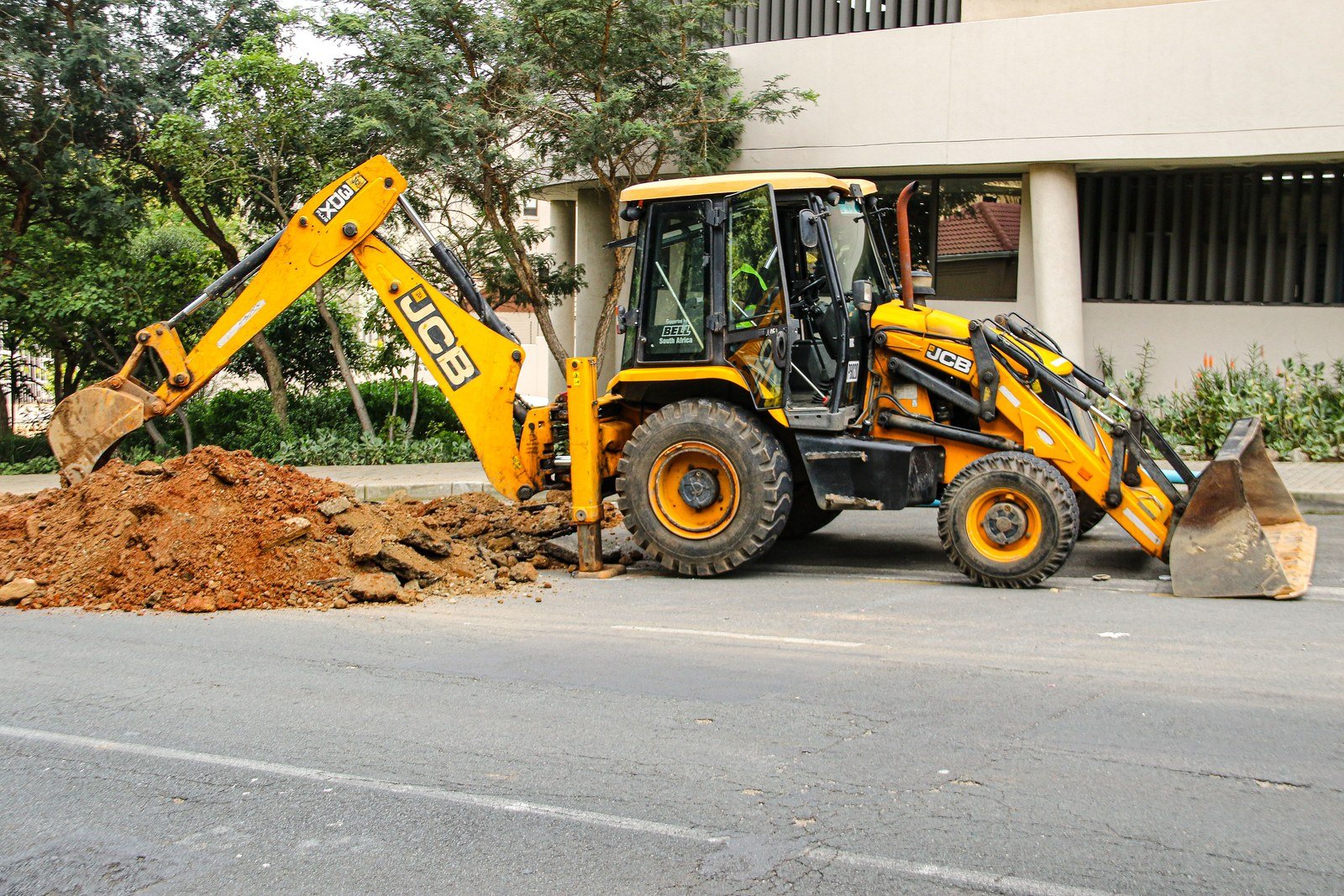
Quick answer: construction vehicle seat covers
Choose construction vehicle seat covers for the exact seat layout, daily site conditions and cleaning routine. Dust, workwear, tools and repeated entry can wear upholstery quickly. Compare fit, material, seams and care instructions, and verify water resistance for the selected cover. Before ordering, confirm compatibility with seat controls and side airbags, follow the vehicle maker’s instructions and review NHTSA airbag safety information.
Best Seat Covers for Construction Vehicles in Gauteng: Fit and Care
Construction vehicles in Gauteng range from contractor bakkies and supervisor vehicles to site runabouts and support vehicles. Their seats see dust, workwear abrasion, frequent entry and exit, and occasional spills. A suitable cover should protect high contact areas without making the seat uncomfortable or interfering with its features.
Start with the vehicle make, model, year and exact seat configuration. Note whether the seat has armrests, adjustable headrests, integrated controls or side airbags. Similar models can have different seat shapes, so do not assume that a cover listed for one year or trim will fit another. Ask the supplier to confirm compatibility before purchase.
Stealth Seat Covers makes custom fit covers for a range of vehicles. Fitment takes place at its premises in Polokwane. Gauteng contractors and fleet managers should confirm their vehicle details, availability and fitment arrangements before travelling. You can compare options in the seat cover range.
What a construction seat cover needs to handle
Site vehicles carry dust, grit, tools and work clothing into the cabin. Drivers may enter several times a day, and the driver’s seat often receives more wear than the passenger seats. Material should suit the workload and the way the vehicle is cleaned. Stitching and panels should sit neatly on the seat rather than bunching at the sides or sliding under the driver.
Fit matters as much as fabric. A close fitting cover can reduce exposed upholstery and movement during ordinary use. It should still allow the seat to adjust and should not obstruct buckles, controls, belt access or airbag deployment areas. If any feature is uncertain, pause and get a clear compatibility answer from the supplier or vehicle manufacturer.
Choosing a material for site work
Match the cover material to the actual work. Riptech ripstop is a robust option for demanding construction use and can be practical to wipe down. Polyester may suit a lighter duty support vehicle, while a leather style finish may be chosen where appearance is the main priority. These are broad comparisons: check the specification and care guidance for the particular cover before deciding.
Consider who cleans the vehicle and how often. If mud and dust are common, a material that can be cleaned without complicated products may be easier to maintain. If the vehicle is also used for client visits, appearance may matter alongside durability. There is no single fabric that is best for every contractor. The useful choice is the one that matches the vehicle’s daily work and upkeep.
Common buying mistakes to avoid
A frequent mistake is choosing a universal cover because it appears inexpensive or quick to fit. Loose corners can leave wear areas exposed and can make the seat look untidy. Another mistake is selecting material by appearance alone, without considering workwear, grit and cleaning demands. Also avoid relying on another vehicle’s fit: the seat shape and safety features may differ even within the same model range.
Ask what the cover includes, how it attaches, which seats it fits and how it should be cleaned. Check whether the quoted fitment is available for your vehicle and whether it must be done at a particular location. For a fleet, give the supplier a vehicle list so differences in model year, cab or seat type can be checked before a group booking is planned.
Gauteng construction and contractor use cases
Construction and contractor vehicles may be used by building teams, electricians, plumbers, roofers, maintenance crews, municipal works departments and plant support staff. Some vehicles remain on one site; others travel between suppliers, projects and customer locations. These patterns influence how much dust enters the cabin and how often the seats are used.
For fleet managers, consistent fit and cleaning guidance can make vehicle handovers easier. Record the vehicle details, identify any seat features, and share basic care instructions with drivers. Inspect high wear areas during routine vehicle checks. This keeps the decision practical and helps identify a fit concern early, without promising that any cover will eliminate all wear.
Custom fit covers and ongoing care
A custom fit cover is made for a specified seat layout and is generally less likely to shift than a loose universal cover. The benefit depends on accurate vehicle information and suitable installation. Confirm fitment before ordering, then check that the seat can move normally and that safety features remain clear after fitting.
Regular care helps keep the cover presentable. Follow the product’s own cleaning instructions, remove loose grit before wiping, and deal with spills promptly. Avoid harsh cleaners unless the manufacturer says they are suitable. A simple, consistent routine is usually easier than waiting until dirt has built up across the whole cabin.
Frequently Asked Questions
What should contractors check before buying seat covers?
Confirm make, model, year, seat configuration and features. Then compare fit, material, stitching, cleaning guidance and suitability for the vehicle’s work conditions.
Are construction vehicle seat covers waterproof?
Water resistance varies by material and construction. Check the specification for the selected cover and follow its care instructions instead of assuming every cover is waterproof.
Do custom covers fit every work bakkie?
No. Fit depends on the exact vehicle and seat configuration. Provide the make, model and year, and confirm armrests, headrests, controls and airbag compatibility before ordering.
Can a cover interfere with seat airbags?
An incompatible cover may obstruct an airbag deployment area. Confirm suitability with the cover supplier and vehicle maker, and keep marked airbag seams and deployment zones unobstructed.
Where does Stealth fit construction vehicle covers?
Fitment takes place at Stealth Seat Covers’ premises in Polokwane. Contact the company with your vehicle details to confirm availability, pricing and arrangements before travelling from Gauteng.
Conclusion
Select construction vehicle seat covers for the exact seat layout, site workload and maintenance routine. Check material specifications, fit and safety feature compatibility before ordering. For fleet vehicles, verify each configuration and plan fitment in advance.
Ask about contractor seat covers
Send your make, model, year and seat configuration to check suitable options and fitment. Fitment is at Stealth Seat Covers’ premises in Polokwane. Contact Stealth Seat Covers for current details.