

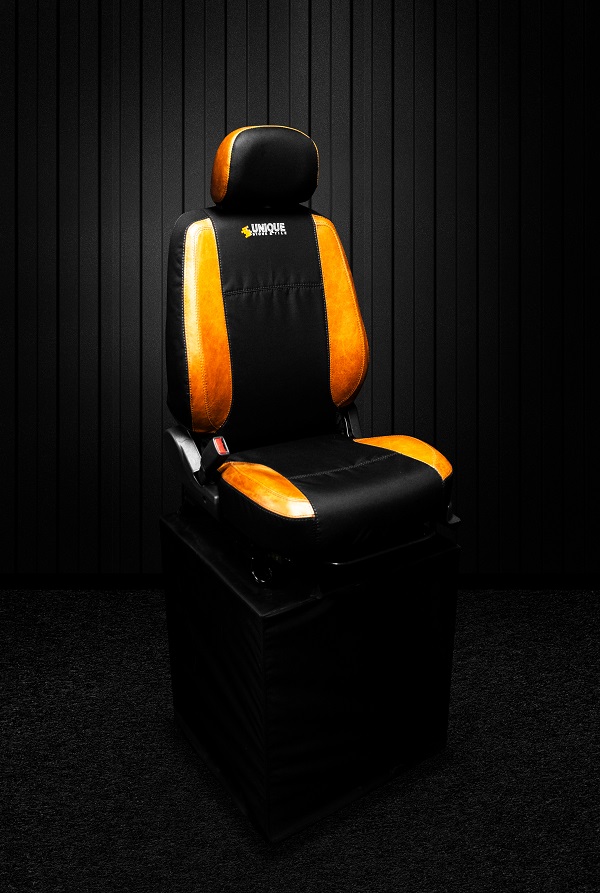
Vehicles working on dusty construction and mine roads face a mix of fine dust, repeated entry and exit, work clothing, tools and long operating hours. Choosing seat covers for construction and mine roads starts with the specific vehicle, seat pattern and cleaning routine. A fleet manager should compare fit, care guidance, safe operation and fitment logistics before selecting an option. This makes it easier to protect original upholstery and keep a consistent record across vehicles operating in South Africa.

1. Record the road and work conditions
Start by listing where each vehicle travels and what it does. Some bakkies spend the day moving between a site, workshop and public road; others visit a mine or construction project only occasionally. Note typical trip length, how often users change, whether the vehicle is shared across shifts and how frequently it can be cleaned. Dust may transfer from workwear and equipment, while moisture or other residue can change the cleaning routine.
Inspect the existing seats and record where dirt collects or upholstery shows wear. Look at driver bolsters, seat backs, rear seating and areas that are brushed by tool bags or equipment. Separate vehicles by role rather than assuming every unit needs an identical cover. These observations help the supplier understand whether the vehicle needs to be cleaned quickly between shifts, used for site travel, or presentable for client meetings.
2. Confirm the exact seat pattern
Seat covers for construction and mine roads must match the actual make, model, year and trim. Seat shapes can differ between model years and variants. Headrests, armrests, split rear seats, adjustment levers, integrated belts, controls and seat-mounted equipment may also affect fit. Prepare a vehicle schedule with a line for each model and quantity, and take clear photos of each seat from the front, side and rear.
Tell the supplier about replacement seats or modifications before requesting a quote. Ask them to confirm in writing which vehicles and seats are included. After fitting, check that the covers sit securely, belts buckle and retract freely, controls remain accessible and the seat moves as intended. Do not cover or interfere with airbags or safety equipment. For general seat-belt safety guidance, see Arrive Alive.
3. Compare material and cleaning guidance
Ask for the specific cover option being quoted and its written care instructions. Descriptions such as heavy-duty, washable or easy-clean do not explain every performance limit. Confirm which cleaning products are approved, how to treat common marks and whether the covers need to be removed for any cleaning step. Avoid assuming a cover is waterproof, stain-proof or compatible with every chemical used on a worksite.
Set a realistic routine for the vehicle. Remove loose dust before wiping so grit is not rubbed across the surface, then follow the supplier’s directions for routine cleaning and drying. A cleaning plan for seat covers for construction and mine roads should be easy to follow between shifts. Provide the same instructions to drivers and cleaning staff so each shift uses a consistent method. A practical care plan for seat covers for construction and mine roads should fit the time and equipment available at the depot or wash bay.
4. Plan inspection and replacement
Include a brief seat check during vehicle handover or scheduled cleaning. Look for movement, loose fasteners, seam wear and dirt trapped around seat edges. Record the vehicle number, date and condition so a recurring issue can be identified. If a cover shifts or appears damaged, ask the supplier how it should be checked rather than tightening or altering it in a way that could affect fit or safety.
Keep the approved vehicle schedule, cover details, fitting notes and care instructions together. When a vehicle is replaced, confirm its seat layout before assuming the previous specification will fit. For a fleet with several models, consistent records make reorders easier and reduce confusion between similar variants.
5. Arrange fitment around site operations
Ask where installation will take place, how many vehicles need to be available at once and whether fitment can be staged. Confirm travel, delivery, collection and vehicle-preparation arrangements before approval. For units operating around Polokwane and wider Limpopo, clarify how vehicles based away from the showroom will be handled. If you have a shutdown or project deadline, explain it early and ask what the estimate depends on, such as vehicle access, final pattern checks or supplier lead time.
Keep estimates distinct from dates that have been confirmed in writing. A simple schedule showing vehicle group, proposed fitting date, availability and responsible contact can help supervisors plan around work shifts without taking more vehicles out of service than necessary.
6. Compare options against actual use
Do not choose solely by a broad label or headline price. When comparing seat covers for construction and mine roads, use the same vehicle schedule across suppliers. Compare the seat layout, cover quantity, product details, fitting arrangements, stated care instructions, exclusions and aftercare for that schedule. A lower quote may cover a different scope, so ask suppliers to itemise what is included. Stealth Seat Covers manufactures custom-fit covers in Polokwane, South Africa; the product and features page describes available options. See also our guide to seat covers for high-traffic business vehicles.
Frequently asked questions
What information should I provide for a mine-road vehicle quote?
Provide the make, model, year, trim, quantity, seat photos, modifications, vehicle role, cleaning routine and preferred fitment arrangements. Ask the supplier to confirm the quoted vehicles and seats in writing.
Do all construction vehicles need the same seat covers?
No. Vehicle seats, work roles, user turnover and cleaning needs can differ. Group units only after confirming they share the same seat pattern and operating requirements.
How should dusty covers be cleaned?
Follow the supplier’s care guide. Remove loose dust first, use only approved cleaning products and follow the stated method for drying or treating marks.
What should be checked after installation?
Confirm that the cover fits securely, belts and controls work freely, the seat moves normally and no safety equipment is covered or obstructed.
Request a work-fleet assessment
Send Stealth Seat Covers a vehicle schedule and clear seat photos to discuss fitment for your fleet. Include the site conditions, vehicle roles and the fitting arrangement you prefer. Contact Stealth Seat Covers to begin.