


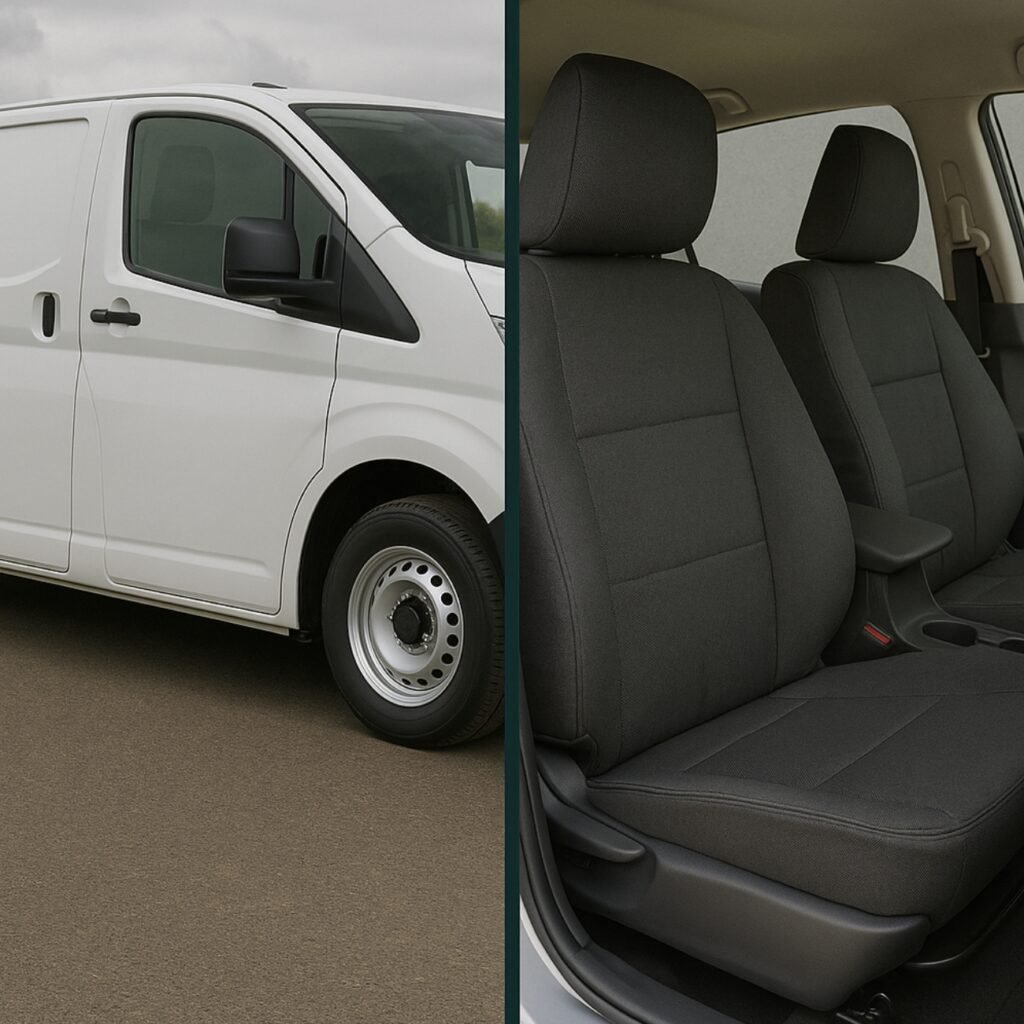
Commercial vehicles used by drivers, technicians and supervisors in rotation face changing habits, routes and cleaning standards. A vehicle may move between office visits, customer calls and site work in the same week, with several people using the seat between checks. Suitable seat covers help protect high-contact areas and make the cabin easier to manage across shared shifts.
Why rotating vehicle use affects seat condition
When one vehicle serves several roles, seat wear is less predictable. Drivers may slide in and out differently, technicians can return with dusty workwear, and supervisors may need the cabin to look presentable at a meeting. Dirt, moisture and repeated friction collect around the seat base, bolster edges and backrest contact areas.
Without a consistent handover routine, the next user may not know whether a spill, loose seam or shifted cover needs attention. A well-chosen cover can help, but it works best alongside clear checks and care instructions.
What to look for in covers for commercial vehicles used by drivers
- Exact seat fit: Confirm the vehicle make, model, year and seat layout. Note integrated headrests, armrests and split benches.
- Repeated-use durability: Consider how many people use the vehicle, how often they enter and exit, and whether the seat is cleaned between shifts.
- Easy care: Ask for clear guidance on routine dust, marks and moisture, including products to avoid.
- Balanced appearance: Choose a finish that remains appropriate for customer visits while handling day-to-day work.
- Functional compatibility: Check that belts, controls and seat-mounted safety features remain clear and usable.
- Fleet consistency: Decide whether vehicles with similar roles can share a cover specification and care routine.
Group vehicles by role before standardising
A site technician’s bakkie may need more frequent cleaning than a supervisor’s vehicle, even when both are shared. Group units by seat design and working pattern: customer-facing travel, field service, site support or pooled use. Then compare the kind of dirt, user turnover and cleaning time each group actually encounters.
Vehicles used by multiple drivers should have simple handover expectations. A brief check can cover rubbish, spills, cover fit and whether loose equipment has been returned to secure storage. This makes the cabin standard more consistent without expecting every driver to perform a full clean.
Why custom fit supports shared use
A loose cover can shift or bunch as different users climb in and out, leaving areas exposed and making the seat harder to clean. A custom-fit cover is made for a specified seat layout and can stay more controlled when installed correctly. That helps the fleet keep a neater interior through frequent handovers.
Provide exact vehicle details and point out seat features before ordering. Confirm that the cover accommodates belts, armrests, controls and side airbags, then check the fit after installation. If a cover moves or blocks a function, have it assessed before the vehicle returns to its normal rotation.
Make cleaning and reporting consistent
Drivers and technicians should know the approved care method for the cover. Remove loose debris, treat marks promptly with suitable products and report damage or a shifted seam. Keep the instructions accessible to both drivers and depot staff so cleaning does not depend on guesswork.
A short vehicle handover record can note the seat condition, cleaning required and any repair request. Over time, this helps fleet managers spot whether certain roles or units need a different cover specification or a closer inspection schedule.
Set a short handover for commercial vehicles used by drivers
Commercial vehicles used by drivers, technicians and supervisors benefit from a quick seat check at the start or end of a shift. Record spills, loose sections, visible wear and any cleaning required. The next user can deal with a clear task instead of guessing whether a seat was already marked or a cover moved during the previous journey.
Keep the routine short enough to be completed consistently. Drivers can remove loose debris, return equipment to secure storage and report anything that needs a closer look. A depot lead can review recurring issues and arrange cleaning or fitment advice when required.
Group shared vehicles by seat and working role
Some pooled vehicles are used for customer visits, while others spend more time on service calls or sites. Group them by both seat layout and normal work pattern. This helps managers choose a cover specification and cleaning routine that fits each group, while avoiding the assumption that every vehicle needs the same material.
When reviewing commercial vehicles used by drivers, include the number of users, daily entry and exit, route conditions and cleaning time. For a mixed fleet, keep different patterns or requirements as separate records, even when the vehicles share a body style.
Keep seat records available to the next user
Store vehicle details, cover specifications, installation notes and approved care instructions in a place staff can access. A handover log can record a repair request or unusual wear by seat position. Over time, this helps identify whether a cover is shifting, a cleaning routine needs attention or a particular vehicle group would benefit from a different specification.
After fitting, check that seat belts, adjustments and controls remain accessible and that the cover stays in place. Follow the supplier’s guidance for installation and cleaning, and do not block seat-mounted safety features. For general workplace safety procedures, refer to South Africa’s Occupational Health and Safety Act and requirements relevant to the business.
Reliable handovers make commercial vehicles used by drivers easier to manage across rotating shifts. They help staff maintain a consistent cabin standard and give fleet managers better information when arranging cleaning, repairs or replacement covers.
Frequently asked questions
Should every rotating vehicle have the same cover?
Use one standard where the seat designs and duties are similar. Separate vehicles into groups if roles and cleaning demands differ.
How do we keep pooled vehicles presentable?
Set a short handover routine, use clear cleaning guidance and make it easy to report spills, damage or a loose fit.
Will seat covers prevent all wear?
No. They help protect upholstery from routine contact, but safe equipment storage and regular care still matter.
What details are needed for a good fit?
Provide make, model, year and seat layout, including headrests, armrests, split benches and seat-mounted controls.
Choose for the way the vehicle rotates
The best seat covers for commercial vehicles used by drivers, technicians and supervisors in rotation balance secure fit, practical cleaning and a professional appearance. Group the fleet by role, check every seat configuration and agree on simple handover steps. This gives shared vehicles a more consistent approach to seat protection and cabin care.
For a vehicle-specific option, contact Stealth Seat Covers with the vehicle and seat details.