

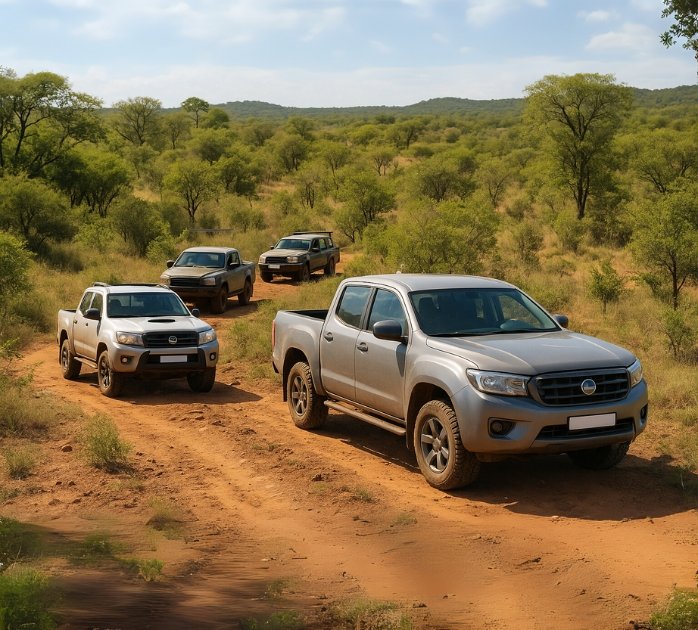
Choosing the best seat covers for farm bakkies, tractors and utility vehicles starts with the work each seat faces. South African agricultural vehicles carry dust, mud, damp clothing and everyday grime between fields, yards and roads. A bakkie used for farm visits may need a different seat pattern from a tractor or utility vehicle, even when they share a tough operating environment.

A suitable cover helps shield usable original upholstery and makes routine cleaning more practical. The right choice depends on seat shape, material care instructions, exposure and how the vehicle is used. It should fit securely, leave normal controls accessible and suit the farm’s maintenance routine.
Best seat covers for farm bakkies, tractors and utility vehicles
Start with the vehicle and seat, not just the vehicle type. Farm fleets may include double-cab bakkies, tractors, side-by-sides and utility vehicles. Seat dimensions, headrests, armrests, adjustment levers and integrated safety features vary by make, model, year and trim. A universal cover should not be assumed to fit all of them.
Before asking for a recommendation, record each vehicle’s make, model, year and seat configuration. Take clear photographs from the front, side and rear, including headrests, seat splits, armrests, seat-mounted controls and any existing modifications. This helps a supplier assess the correct pattern and identify details that might otherwise be missed.
Choose farm vehicle seat covers for the work cycle
Think about how operators use each seat during a normal week. A farm bakkie used for frequent trips between a house, workshop and fields may see repeated entry and exit. That puts regular contact on the seat edges and bolsters. A tractor operator may spend longer periods in one seat, with dust and sunlight exposure. A side-by-side might carry wet gear, dogs or equipment.
These differences affect the best cover material, finish and cleaning routine. For the best seat covers for farm bakkies, compare material and care needs with the daily work. A shared fleet may benefit from a practical surface that is easy to wipe according to its care guidance. A vehicle used for meetings or client visits may also need a finish that stays presentable. Match the choice to actual use instead of selecting by appearance alone.
Check cleaning needs before choosing a material
List the likely contaminants: loose soil, feed dust, mud, grease, damp workwear or animal hair. Ask the supplier how to remove them safely from the specific material. Follow the cover manufacturer’s care instructions, and avoid unapproved solvents, harsh chemicals or abrasive brushes that could damage a surface or its stitching.
Water resistance and waterproofing are not interchangeable claims. Ask what the chosen material is designed to handle and how it should be dried after cleaning. Long exposure to sun and heat can affect vehicle interiors, so ask about storage and care limits as well. A sensible selection balances protection, comfort, appearance and upkeep.
Protect seat safety and keep controls accessible
A secure custom fit can help a cover sit neatly and reduce shifting during normal use. After installation, check that seat belts, adjustment controls and other equipment remain accessible and work as intended. Never cover or obstruct a safety feature. If a seat has a side airbag or a label indicating one, confirm compatibility with the vehicle manufacturer or an authorised dealer before fitting a cover.
Safety guidance can vary by vehicle and market. For example, the US National Highway Traffic Safety Administration has addressed seat covers and seat-mounted side airbags in its seat-cover interpretation. Use your own vehicle’s manual and manufacturer guidance for the applicable instructions. If the upholstery, foam or adjustment mechanism is already damaged, assess that repair separately; a cover is a protective layer, not a seat repair.
Make care consistent across a farm fleet
Keep a short record of the cover fitted to each vehicle and store its care instructions with the service records. During routine checks, look for loose fastenings, worn seams or areas where the cover has shifted. Brush away loose grit before wiping so particles are less likely to rub against the surface. Clean spills promptly with the recommended method and allow the seat to dry as directed.
For shared bakkies and utility vehicles, a quick cab check at shift change can identify wet clothing, tools or debris that should be removed. Tractor seats may need a different routine depending on exposure and storage. Tailor the schedule to actual working conditions rather than applying one timetable to every machine.
How to request the right fitment recommendation
Send the vehicle make, model, year and clear seat photographs. Mention split benches, headrests, armrests, seat controls, side airbags, modifications and any wear to the original upholstery. Explain whether the vehicle is used mainly on roads, in fields, around livestock or across a mixed fleet. Also describe the cleaning routine and the type of dirt or moisture the seat regularly encounters.
These details help identify the best seat covers for farm bakkies across a mixed fleet and narrow down a suitable pattern and material before installation. If the fleet includes several models, list each vehicle separately rather than sending one general description. A fitment discussion can then address the seats that need covers, the best way to care for them and any compatibility questions that need checking first.
Frequently asked questions
Do the best seat covers for farm bakkies also fit tractors?
They need the same careful approach to fit and cleaning, but their seats often have different shapes and features. Confirm the exact vehicle and seat before ordering.
Are waterproof covers best for farm vehicles?
That depends on the material and the work. Ask the supplier to confirm the specific cover’s water resistance, cleaning compatibility and care instructions before choosing.
Can seat covers protect against dogs, tools and wet clothing?
A well-fitted cover can help shield upholstery from routine contact and dirt. Secure tools, remove wet gear where practical, clean mess promptly and inspect the cover for wear.
What should I provide for a farm vehicle seat-cover quote?
Share the make, model, year, seat photographs and details such as headrests, armrests, seat splits and modifications. Explain the working conditions and cleaning needs too.
Find the best seat covers for farm bakkies in South Africa
Stealth Seat Covers makes custom-fit covers for working vehicles in South Africa, with fitment available at its Polokwane premises. Send the vehicle details and seat photographs to discuss options for a farm bakkie, tractor or utility vehicle. You can also read our guide to seat covers for demanding fleet vehicles for related fitment considerations. For pricing and fitment enquiries, contact Stealth Seat Covers.