

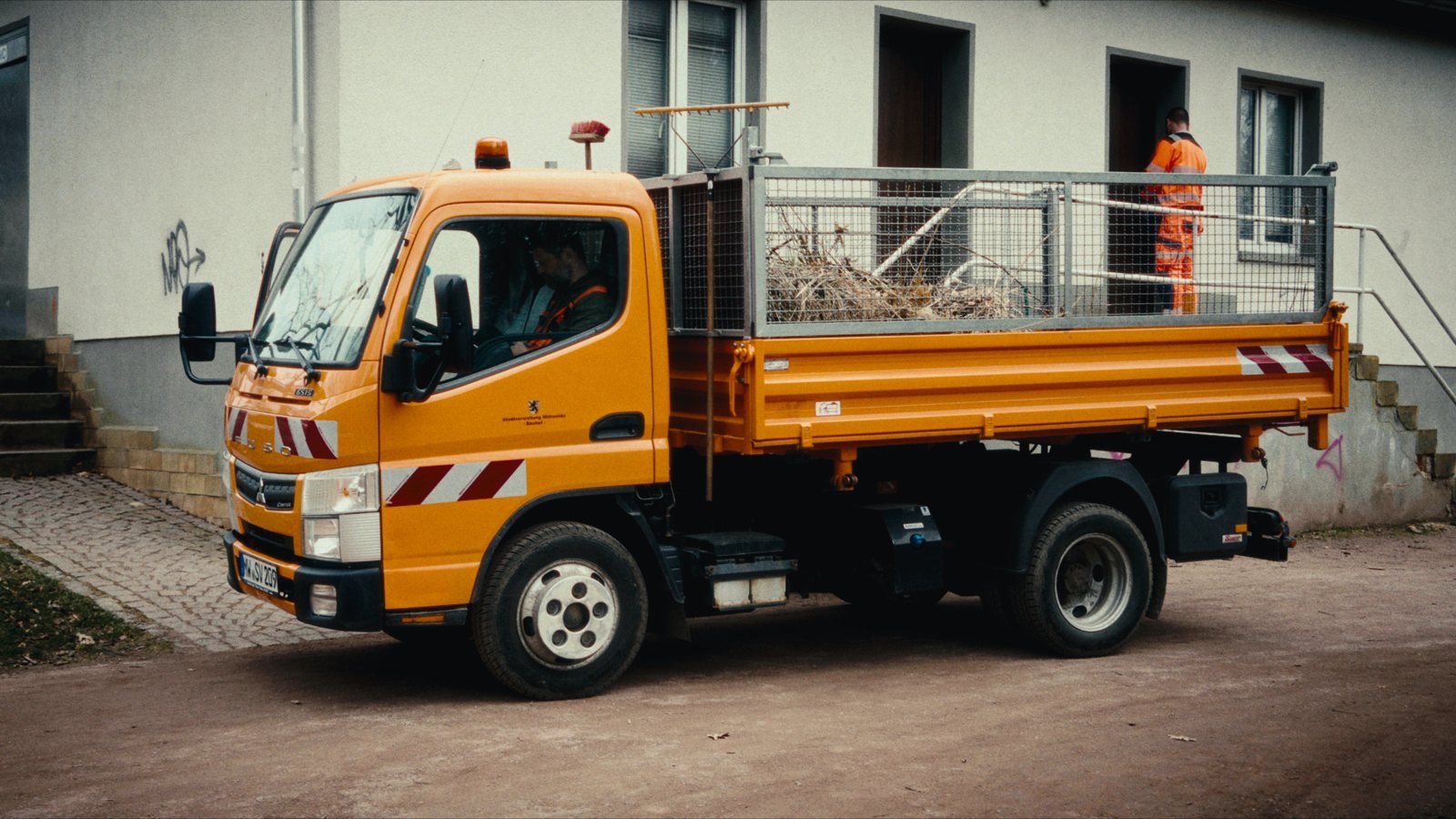
Seat covers for telecom and utility fleets are part of a practical plan for managing wear, cleaning time, vehicle presentation and long-term operating costs. Service bakkies, maintenance vans, crew vehicles and support SUVs move between urban routes, roadside stops, depots, utility corridors and rough access roads. The cabin absorbs the daily effects of the work long before they show up in a fleet spreadsheet.
Telecom maintenance teams, utility contractors, infrastructure supervisors and municipal service operators need interior protection that matches their real working conditions. The right cover does more than hide worn fabric: it helps prevent avoidable damage and keeps a vehicle ready for the next shift, site visit or customer-facing stop.
Utility truck photo by Franjoli Productions / Pexels.
Why seat protection matters in utility and infrastructure fleets
These vehicles face constant stops, dirty boots, tools and cable equipment in the cabin, as well as rough access roads. Over time, that combination can leave dirty bolsters, flattened seat surfaces, stains and an interior that looks older than the vehicle. When the seats are left unprotected, even a mechanically sound vehicle can appear neglected inside.
Seats are one of the first places where a fleet’s operating standards become visible. A cleaner cabin supports driver morale, presents a more professional image to the public and helps businesses maintain commercial assets consistently.
What should guide the buying decision?
Seat covers for telecom and utility fleets should be specified around the actual service pattern. A crew vehicle that is parked at roadside work zones has different needs from a supervisor’s SUV that visits clients and depots. Record the routes, number of drivers, equipment carried and typical cleaning interval before selecting a material.
Start with the vehicle’s daily work rather than searching for one universally “best” seat cover. Consider who drives it, how often it is cleaned, how much dirt or moisture enters the cabin and whether the vehicle should look rugged, refined or somewhere between the two.
Also consider whether each vehicle is assigned to one driver or shared by a team, whether it spends more time on public roads or work sites, and how often clients or members of the public see it. Those details should guide the material, finish and fitment approach.
Choose a material for the work environment
A robust commercial-grade cover that handles regular wipe-downs is often a sensible direction for utility maintenance vehicles. Practicality comes first, while the finish should still look neat in public-facing settings.
Synthetic polyester-based options can suit fleets that need value, everyday practicality and a consistent rollout. Hard-wearing technical fabrics may be appropriate where abrasion, dust and repeated use are constant. Leather-style finishes can work where presentation matters, provided they suit the operating brief and care routine.
Match the material to the job. Mines, farms, trucking, delivery and mixed commercial operations place different demands on a vehicle interior. A good choice stays clean with less effort, holds its fit through repeated use and supports the image the business wants to project.
Plan for quick cleaning between service calls
Durable seat covers for telecom teams should make it easier to maintain a predictable cabin standard between service calls.
When crews are moving from one callout to another, a short cabin reset is more realistic than a detailed clean after every stop. Remove loose grit before wiping, clear rubbish and deal with spills using the cover manufacturer’s instructions. A small approved cleaning kit in the service base can help staff use consistent products across vehicles.
Seat covers for telecom field teams should remain straightforward to inspect after busy shifts. Managers can check high-contact areas, seams and fitment during normal vehicle checks, then record any damage before it affects more of the seat.
Why custom fit matters
In hard-working telecom, utility and infrastructure vehicles, a loose universal cover can shift, bunch up, leave high-wear areas exposed and make the cabin look untidy. That reduces both protection and presentation.
A tailored cover sits more neatly against the seat, protects high-contact areas more consistently and gives the fleet a controlled finish. This is especially useful when a business wants a consistent interior standard across several vehicles, teams or service routes while still fitting each vehicle model correctly.
Common mistakes businesses can avoid
It is also easy to order covers before confirming each vehicle’s exact model and seat layout. Similar-looking vehicles can have different seats, headrests or controls. Provide the make, model, year and relevant seat features to the fitment team, and verify that belts, controls and safety features remain accessible and function as intended after installation.
Choosing only by upfront price can overlook cleaning time, fit stability and how quickly the cabin will start looking worn again. A low-cost solution may cost more over time if it shifts, tears, traps dirt or needs replacing sooner than expected.
Another mistake is treating every commercial vehicle as if it has the same job. A mixed fleet often needs a clear material strategy: some vehicles need maximum wipe-down practicality, others need a balance of appearance and durability, and the toughest routes may call for a more rugged option.
Roll out one consistent fleet standard
Businesses choosing seat covers for telecom fleets can standardise care instructions while recording a correct fit for each model.
For roadside crews, seat covers for telecom maintenance vehicles should be checked for secure fit after installation and after the first period of regular use.
For a mixed fleet, group vehicles by seat type and duty rather than forcing every unit into one specification. Trial the proposed cover on a representative service vehicle, ask drivers and cleaners for feedback, and refine the cleaning instructions before applying the same approach across similar vehicles. Keep a record of each cover type and replacement date so future orders remain consistent.
Routine interior checks can sit alongside wider vehicle-condition checks. The South African government roadworthiness testing guidance explains the broader roadworthiness process; use vehicle-specific instructions for any seat or safety feature questions.
Frequently asked questions
What makes utility vehicles different from standard fleet cars?
They move between public-facing roads and dirty operational areas throughout the day, so their covers need to balance durability, quick cleaning and presentation.
Do roadside service vehicles need custom-fit covers?
A stable, tailored fit is valuable because these vehicles often see repeated entry and exit during the day. It helps keep the cover in place and the seat protected.
Why does presentation matter for maintenance vehicles?
These vehicles are often seen by the public and clients. A cleaner interior helps reflect consistent fleet standards.
Can one cover programme work across vans and bakkies?
A fleet programme can standardise materials, appearance and durability expectations while still specifying a correct fit for each vehicle model.
Final thoughts
Choose seat covers for telecom and utility fleets with the same practical thinking used for tyres, service schedules and cleaning routines. The goal is to match protection to the workload, preserve the vehicle’s condition and make daily operations easier.
For telecom maintenance teams, utility contractors, infrastructure supervisors and municipal operators, the right combination of durability, fit, cleaning practicality and presentation helps a vehicle cabin stay in better condition over time.
Ready to protect your vehicle with custom seat covers?
Whether you drive a work bakkie, family SUV, taxi, farm vehicle or commercial fleet vehicle, Stealth Seat Covers can help protect your seats with durable, custom-made covers built for South African conditions. Contact us for pricing, fitment enquiries or help choosing an option for your vehicle.