

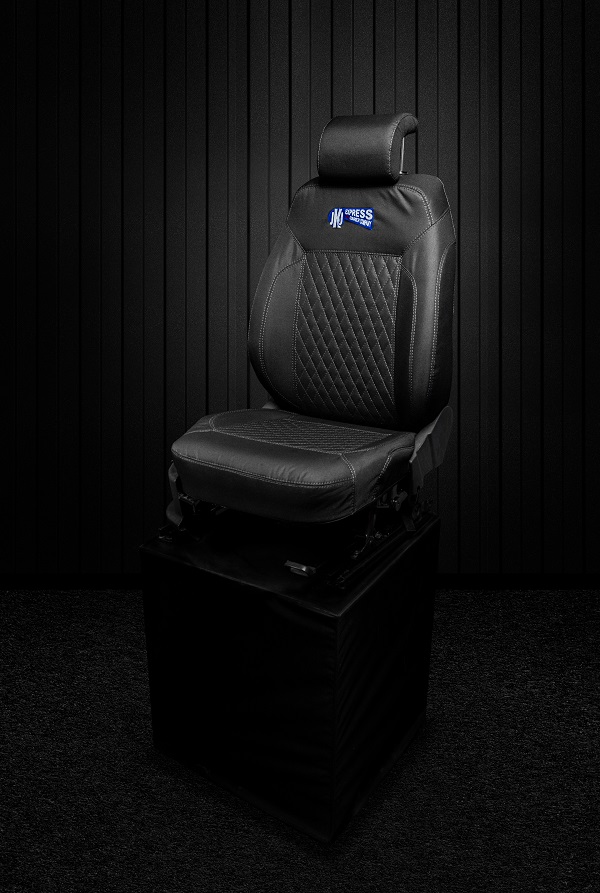
Cabin wear builds up quickly in stop-start service and delivery vehicles that face repeated entry and exit, frequent short journeys and daily handovers. These routines expose seats to friction, workwear, dust and spills. To reduce cabin wear, identify repeated contact points, confirm the cover fit, set a practical cleaning routine and check condition at handover.

1. Reduce cabin wear in delivery vehicles
Begin with a brief inspection of each vehicle group. Note which seat areas show marks first, how many drivers use each vehicle and whether the cabin is cleaned between assignments. The outer driver-seat bolster often receives repeated contact as people climb in and out, while passenger seats may see wear from tools, bags or rotating crew members.
Compare vehicles with similar routes and duties. A technician van may carry heavy equipment and spend long periods at customer sites; a parcel vehicle may make dozens of short stops. Recording the vehicle model, seat trim and work pattern helps identify whether damage is related to fit, friction, dirt or the way equipment is stored.
2. Confirm the seat-cover fit before ordering
Choose seat covers for the exact make, model, year and trim. Headrests, armrests, seat controls, integrated belts and later modifications can change the seat pattern. Provide a fleet list and clear photos when requesting a quote, and identify any vehicles with non-standard seats. This reduces the risk of ordering a cover that bunches, shifts or leaves the wrong area exposed.
After fitment, check that seat belts, buckles, adjustment controls and any side airbag areas remain unobstructed. Follow the cover supplier’s installation guidance. If a cover moves or gathers, have the fit reviewed rather than tightening, cutting or altering it without advice. A cover must not interfere with safe vehicle operation.
3. Choose a care routine that suits the work
Remove loose grit before wiping, since rubbing particles across a surface can add abrasion. Clean spills promptly and use only products and methods approved for the particular cover material. Do not assume a material is waterproof, stain-proof or compatible with every detergent. Keep the care instructions with the vehicle records so drivers and wash-bay staff can follow the same process. Consistent, material-appropriate care can reduce cabin wear and help teams spot recurring damage early.
Where dirt or marks keep returning, look for the source instead of simply increasing cleaning frequency. Secure tools and other loads so they do not slide across seats. Keep sharp edges away from the cabin, and avoid placing wet or contaminated equipment on an uncovered seat.
4. Make short checks part of vehicle handovers
A quick handover check can catch loose edges, seam wear, trapped debris and cover movement early. Ask the outgoing driver to report new marks or damage, and have the next driver check that belts and controls work normally before departure. Record recurring cabin wear issues against the vehicle rather than relying on memory or informal messages. Tracking repeat patterns helps reduce cabin wear across the fleet instead of treating each mark in isolation.
Use a simple inspection note: vehicle registration, seat condition, cover movement, cleaning needed and any action required. This helps a fleet manager distinguish normal wear from a repeated fit or care problem. Escalate damage that affects a belt, buckle or seat control for prompt inspection by a qualified repairer.
5. Group vehicles to manage replacements
Group vehicles by seat pattern and work role when setting a cover specification. Record exceptions for different trims, model years or duty cycles. Before replacing a vehicle or placing a repeat order, verify the actual seats; a model-year change can affect fit even when the vehicle name is unchanged.
Keep the approved cover details, care instructions and supplier information in one fleet record. This makes it easier to check a new quote against the original specification, plan replacements by condition, track cabin wear and provide consistent guidance to new drivers. It also helps avoid ordering the same cover for vehicles that only appear similar. Review the records during routine fleet checks to reduce cabin wear across similar vehicles.
Keep seat belts and controls clear
Seat covers protect upholstery; they do not replace seat belts or other safety equipment. Never use a cover that blocks a buckle, restricts a belt or interferes with seat adjustment. South African road-safety guidance explains seat-belt requirements and function; fleet teams can review the Arrive Alive seat-belt guidance and follow the vehicle manufacturer’s instructions for the specific model.
Frequently asked questions
Is the driver’s seat always the first to wear?
It is often heavily used, but passenger seats can also wear quickly when vehicles are shared or carry equipment. Inspect every seat used during the workday.
Can delivery vehicles use custom-fit seat covers?
Yes, when the cover is matched to the exact seat and installed so belts, controls and adjustments remain accessible. Confirm the vehicle details before ordering.
What can drivers do to reduce cabin wear?
Follow the agreed cleaning routine, keep loose equipment from rubbing against seats and report damage or cover movement during handover.
Should all fleet covers be replaced on a fixed schedule?
Use condition checks and supplier guidance. Replace or repair based on fit, wear and safe operation instead of assuming every vehicle needs the same interval.
Discuss covers for service and delivery vehicles
Stealth Seat Covers makes custom-fit seat covers for South African work vehicles, with fitment available at its Polokwane premises. Share the vehicle make, model, year, seat details and work routine to discuss suitable options. For fleet planning, read our guide to building a seat cover standard. Visit the seat-cover fitting instructions or contact Stealth Seat Covers for pricing and fitment enquiries.