

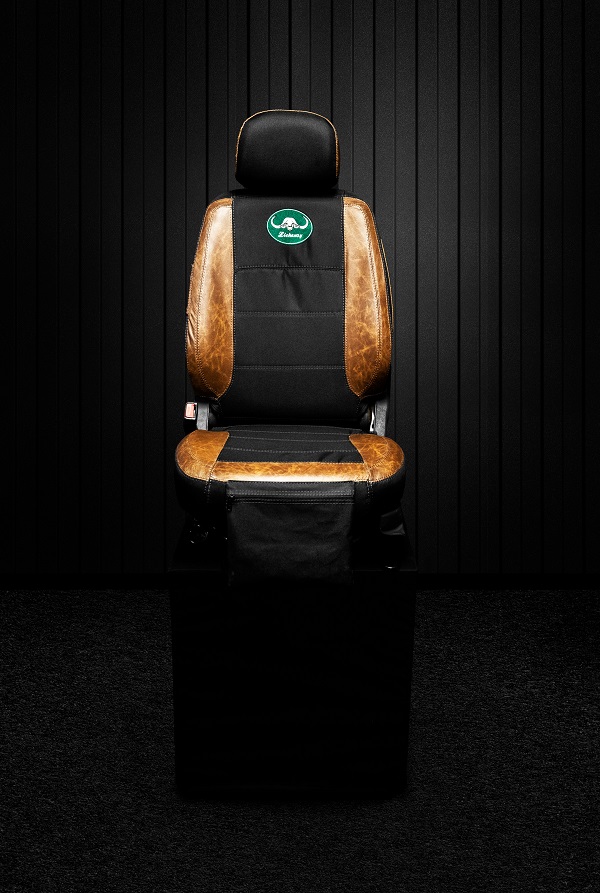
Driver comfort on long shifts depends on more than the seat cover, but a stable, breathable and easy-care surface can help make a work vehicle more pleasant to use. The right driver comfort seat covers should match the seat, support normal movement and suit the vehicle’s cleaning routine. They cannot repair worn foam or correct poor seat adjustment, so assess the seat itself and ask regular drivers what works for their route before choosing a material.
Start with the seat and the working day
Truck drivers, delivery teams, contractors and service staff may spend several hours in the same vehicle. They climb in and out, change posture, carry work clothing and encounter dust or occasional spills. A cover should follow the seat shape securely and allow normal access to belts, controls, armrests, headrests and adjustment levers. Loose fabric can bunch under the thighs or back and become a distraction during a long drive.
Before ordering, identify the vehicle make, model, year and exact seat configuration. Seats can vary even within one model range, especially where trims, airbags, armrests or seat controls differ. Note whether the vehicle has a single driver or several users, whether it travels on paved or dusty routes, and how often the interior is cleaned. These details help match a cover to actual conditions instead of relying on a generic description.
Inspect the original seat first. Covers help shield usable upholstery from direct contact, dirt and routine wear, but they do not restore compressed foam, repair a damaged mechanism or make an unsuitable seat supportive. Resolve a mechanical or support issue separately, then confirm that the cover fits the seat without restricting its intended functions.
Choose a feel that suits long use
There is no single material that feels right for every driver or South African climate. Some operators prefer a smooth surface that can be wiped down; others want a softer feel or a durable finish for dusty work sites. Ask which materials are currently available, how each should be cleaned, and how the fabric is expected to behave with heat, friction and repeated use. If possible, let regular drivers handle samples before standardising a choice across a fleet.
Comfort is personal and depends on more than softness. A cover that shifts, traps grit or creates folds can feel worse than the original seat. A stable fit and well-finished seams can make a firm, hard-wearing material more comfortable in daily use. Consider the driver’s typical clothing, the length of each shift, ventilation, and whether the cab gets hot while parked. Avoid promising that any cover will reduce fatigue or prevent back pain; those outcomes depend on the seat, posture, vehicle and individual.
For a shared vehicle, collect feedback from more than one driver. Ask whether the surface feels slippery, whether the cover moves during entry and exit, and whether cleaning is straightforward. A short trial in one representative vehicle can reveal practical issues before a larger order is placed. Record the material and seat pattern tested so the final decision can be repeated accurately.
Fit and construction affect comfort
A correctly patterned cover should sit close to the seat without pulling awkwardly across controls or creating loose pockets. Check the side panels, headrest, seat base and backrest, and confirm how the cover is secured. A poor fit can move as a driver enters or exits, wear faster at friction points and make the cabin look untidy. Custom-fit driver comfort seat covers are designed around a specific seat pattern, but the buyer still needs to provide accurate vehicle and seat information.
After installation, adjust the seat through its normal range. Confirm that belts buckle and retract freely, headrests can be positioned, and seat controls remain reachable. Any side-airbag seams or other safety-related openings must remain unobstructed and be handled according to the vehicle manufacturer’s and installer’s guidance. If something binds or sits incorrectly, stop and have the fit checked before the vehicle returns to regular use.
Check the cover again after the first few shifts. Look for movement at the seat base, backrest and side panels, and ask drivers to report any rubbing or bunching. Early adjustment is simpler than allowing a loose area to wear against the upholstery for months.
Keep the cabin manageable between shifts
A cleaner seat surface can contribute to a more pleasant cab, especially when several drivers share one vehicle. Remove loose grit with a soft brush or vacuum attachment, blot spills promptly, and use only the cleaning method recommended for the selected material. Avoid unapproved solvents, abrasive tools and excess moisture around seams or controls. Let the cover dry as directed before the vehicle is used again.
Fleet managers can make maintenance more consistent by recording the cover material, fitment date and care instructions with each vehicle. Include a simple check during handover: look for movement, trapped debris, visible wear and any interference with seat functions. Ask drivers to report persistent rubbing, slipping or discomfort early. That gives the manager an opportunity to review the fit or condition rather than waiting until the cover or upholstery is badly worn.
Choose consistently across a fleet
When buying for several vehicles, group them by make, model, year and seat configuration. Do not assume that one pattern will suit every vehicle in a fleet, even if the vehicles share a badge. Confirm any differences in headrests, armrests, seat bases, controls and safety equipment. A short fitment schedule can help avoid missed vehicles and keep the ordering process organised.
Standardising material can simplify purchasing and cleaning, but it should follow a real comparison of the work being done. A delivery van that visits customers, a mining support vehicle and a long-haul truck may face different cleaning demands and driver preferences. Choose for the dominant use and keep exceptions documented. That approach makes it easier to order replacements later without forcing every vehicle into a single unsuitable specification.
For procurement, record the supplier, agreed material, vehicle details, fitment notes and care requirements. Share the same information with the person responsible for future replacements. This avoids confusion when vehicles are added, assigned to different routes or handed to a new driver.
Driver comfort checks before the next shift
Use a short driver comfort check after fitting and again during routine vehicle handovers. Ask the driver whether the cover stays in place, whether there are folds beneath the back or thighs, and whether belts, headrests and seat controls work normally. Recording those responses can improve driver comfort over time by flagging fit concerns before they become routine distractions.
- Confirm the cover matches the exact seat and does not shift during entry or exit.
- Check that seat belts, adjustment controls and headrests remain accessible.
- Follow the vehicle manufacturer’s instructions where side airbags or occupant sensors are fitted.
- Record the material and care method so each driver uses the same cleaning routine.
Driver comfort seat covers should be selected around the actual seat and vehicle use, then reviewed after installation. For general background on air-bag function, see the NHTSA air-bag guidance; the vehicle manufacturer’s manual and qualified fitment advice should guide the actual cover choice.
Frequently asked questions
Can seat covers make long shifts more comfortable?
A suitable material and secure fit can make the seat surface feel more agreeable and easier to keep clean. Individual comfort varies, and a cover cannot correct a poorly adjusted or damaged seat.
Are these covers only useful for truck drivers?
No. The same fit, material and care considerations apply to bakkies, vans and other work vehicles where people spend extended periods behind the wheel.
Does heavy-duty always mean uncomfortable?
No. Compare suitable materials and choose an option that balances the expected wear, cleaning needs and preferred feel. Fit and seat condition also affect comfort.
What information helps identify the correct fit?
Provide the vehicle make, model, year, seat photographs and details of headrests, armrests, controls, airbags or modifications. Confirm fitment before ordering.
Discuss a long-shift vehicle
Stealth Seat Covers makes custom-fit covers for South African work vehicles, with fitment available at its Polokwane premises. Share the vehicle and seat details to discuss materials and fit options. Explore the seat-cover range or contact Stealth Seat Covers for current product and fitment information.