


Quick answer: Seat covers for company bakkies should be made for the exact seat layout and selected for the vehicle’s work, cleaning routine and crew. Confirm the make, model, year, cab and seat features, then check the care instructions and compatibility with seat belts, airbags and controls before ordering.
Contractor bakkies and trade vehicles move between workshops, suppliers and customer sites. Dusty clothing, repeated entry and exit, tools and long shifts can put steady wear on seat bolsters and edges. A suitable cover can help protect serviceable upholstery and keep the cab easier to maintain, but it does not repair existing damage or replace routine cleaning.
Stealth Seat Covers makes custom-fit covers at its premises in Polokwane, Limpopo. Businesses based elsewhere should confirm the pattern and fitment arrangements before travelling. Review the seat cover range and gather your vehicle details first.
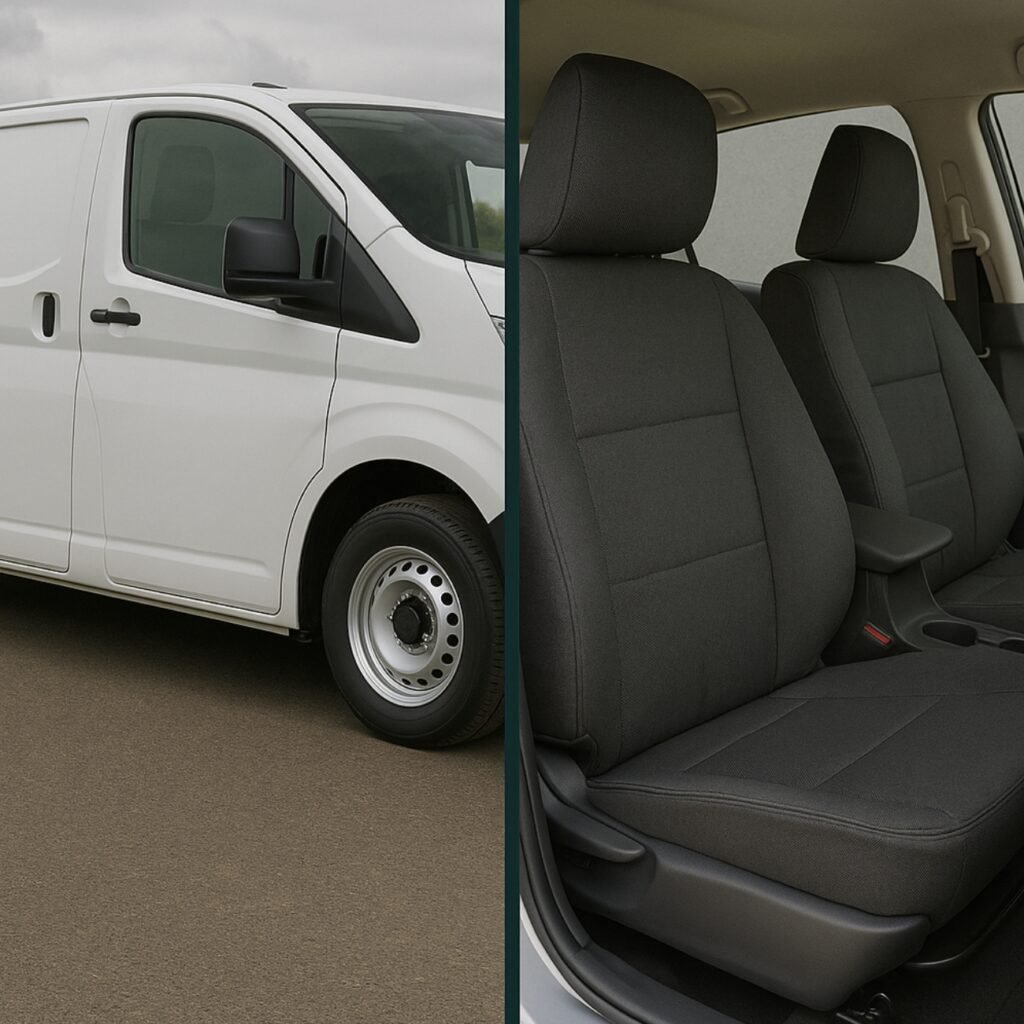
covers for company bakkies: five checks for trade fleets
Before choosing covers, list how each vehicle is used and what the crew carries. A plumbing bakkie, electrical service vehicle and installation fleet may share some needs, but their work routines and seat layouts can differ.
1. Confirm the exact vehicle and seat pattern
Provide the make, model, year, cab style, trim and clear photographs of the seats. Headrests, armrests, integrated belts, folding sections and adjustment levers can change the required pattern. If the fleet includes different model years or seat options, identify each variation instead of assuming one cover will fit every bakkie.
Custom bakkie seat covers are shaped for the selected seat configuration. A correct pattern helps the cover sit neatly and reduces loose folds or exposed areas. Ask the supplier to confirm the details before production, especially when a model has more than one trim or cab configuration.
2. Match material to the working conditions
Think about what the seats encounter each day: dust, mud, grease, damp workwear, tools or frequent passenger changes. Explain those conditions when comparing materials. A durable synthetic blend may suit regular commercial use, while a more textured or reinforced option may be worth discussing for tougher workloads. Follow the care instructions for the specific material selected.
There is no single fabric that is best for every trade. The best covers for company bakkies balance the work environment, driver comfort, appearance and realistic cleaning needs. Ask to see a sample if you are unsure how a material feels or how it may look in the cab.
3. Plan a practical cleaning routine
Remove loose grit before wiping, deal with spills promptly and use only cleaning methods allowed by the care label. Ask whether the chosen material should be vacuumed, wiped or cleaned another way. Avoid harsh chemicals or soaking unless the product instructions specifically allow it.
Make the routine easy for drivers to follow. A short inspection at shift handover or during scheduled vehicle cleaning can catch loose fastenings, open seams or a cover that has shifted. Covers can help protect serviceable seats from daily contact, but they still need regular care.
4. Keep safety features and controls clear
Seat covers should be made for the seat’s features. Before regular use, check that seat belts buckle and retract normally, adjustment controls move freely and any side-airbag seams remain unobstructed. Do not force a cover over a restraint or seat feature. If you have a question about a specific bakkie, get fitment advice before using it.
Drivers and passengers should continue using the vehicle’s seat belts as directed. The Automobile Association of South Africa’s road-safety advice includes reminders about seat-belt use and vehicle checks.
5. Standardise repeat orders across the fleet
For multiple work vehicles, keep a simple record of each bakkie’s make, model, year, seat pattern, selected material, colour and care routine. Note which vehicles share the same layout and which need a different fit. These details can make replacement orders easier to confirm and help crews maintain a consistent interior standard.
covers for company bakkies can contribute to a tidier cab when they fit correctly and are maintained consistently. Fleet managers can set a regular inspection schedule and ask drivers to report movement or damage early, rather than waiting until a cover needs urgent replacement.
Fitment for company bakkies in South Africa
Fitment is available at Stealth Seat Covers’ premises in Polokwane. If your company operates in Gauteng or another province, send the vehicle details and seat photographs first to check pattern availability and discuss arrangements before travelling. Do not assume fitment is available in your town.
For wider fleet planning, see our fleet seat cover guide and commercial fleet information. covers for company bakkies are most useful when the pattern and material suit the vehicles’ actual work.
Frequently asked questions
Are custom seat covers useful for trade bakkies?
They can help protect serviceable upholstery from workwear contact, dirt and everyday abrasion. The result depends on correct fit, material choice and regular care.
Which material is best for contractor vehicles?
It depends on the vehicle’s routes, dirt exposure, cleaning routine and presentation needs. Compare material samples and follow the care instructions for the selected option.
Can one cover pattern fit every company bakkie?
No. Make, model, year, cab, trim and seat features can affect the pattern. Confirm each vehicle configuration before ordering, even when the bakkies share a model name.
Where are Stealth Seat Covers fitted?
Fitment is at Stealth Seat Covers’ premises in Polokwane, Limpopo. Contact the team with your vehicle details to confirm availability and arrangements before travelling.
Discuss covers for company bakkies
Send the vehicle make, model, year, cab style, seat layout and details about the work the vehicle does. Contact Stealth Seat Covers to discuss material, pattern and fitment options for your trade fleet.