

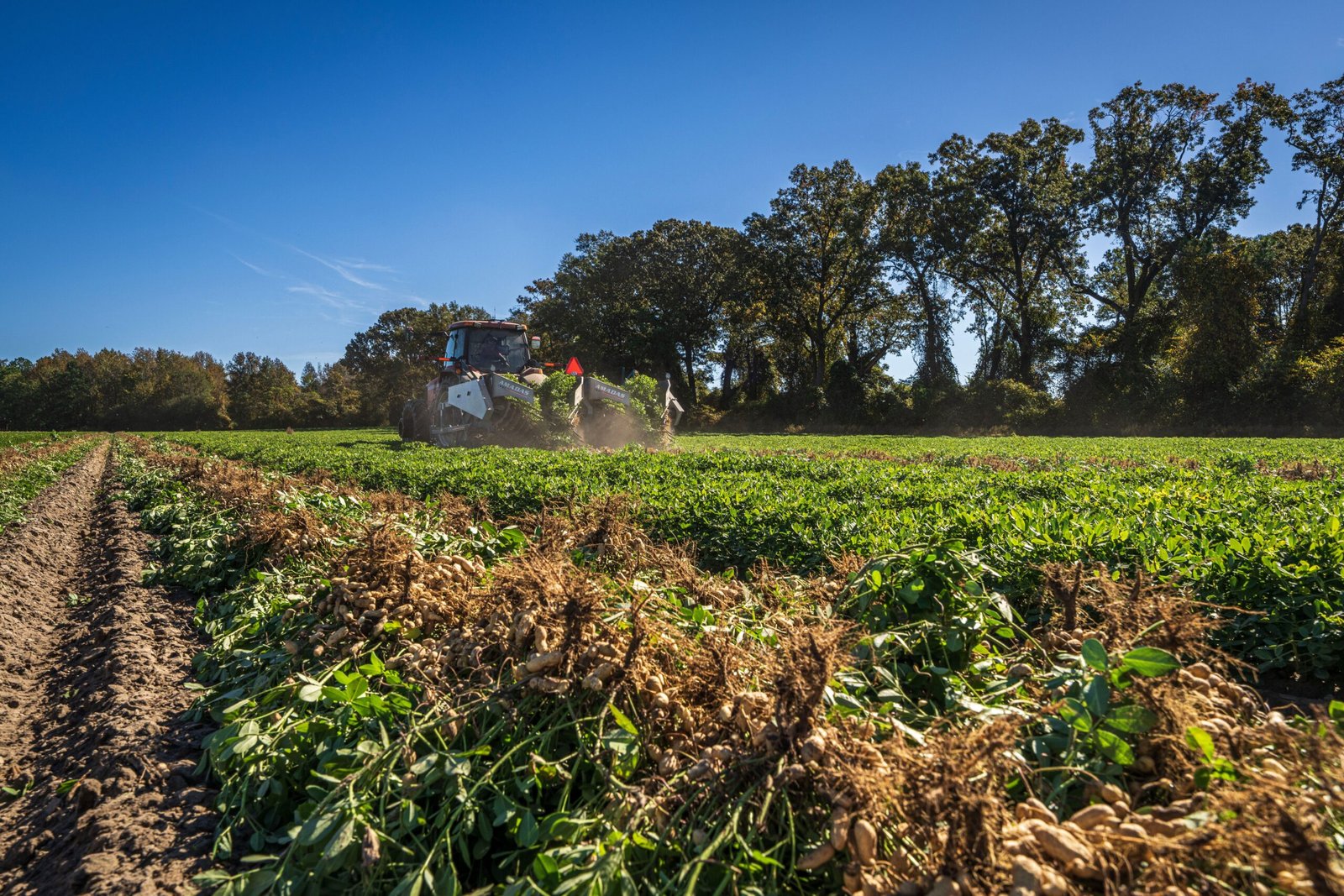
Quick Answer: Farm vehicle seat covers in Limpopo should be chosen for the operator seats in tractors, harvesters and other agricultural machines that spend long hours in dusty, hot and demanding conditions. A properly fitted cover can help protect original upholstery from everyday dust, workwear and abrasion while keeping the cab easier to maintain. The right specification depends on the machine, the exact seat design and how the equipment is used.
On a working farm, tractors may pull ploughs, trailers or planters; harvesters and combines operate through demanding seasonal work; and other self-propelled machines support planting, spraying and transport around the property. Their operators spend long periods in the cab and repeatedly climb in and out during the day. Seat protection should therefore be considered around the machinery itself, its hours of use and the operator’s daily routine.
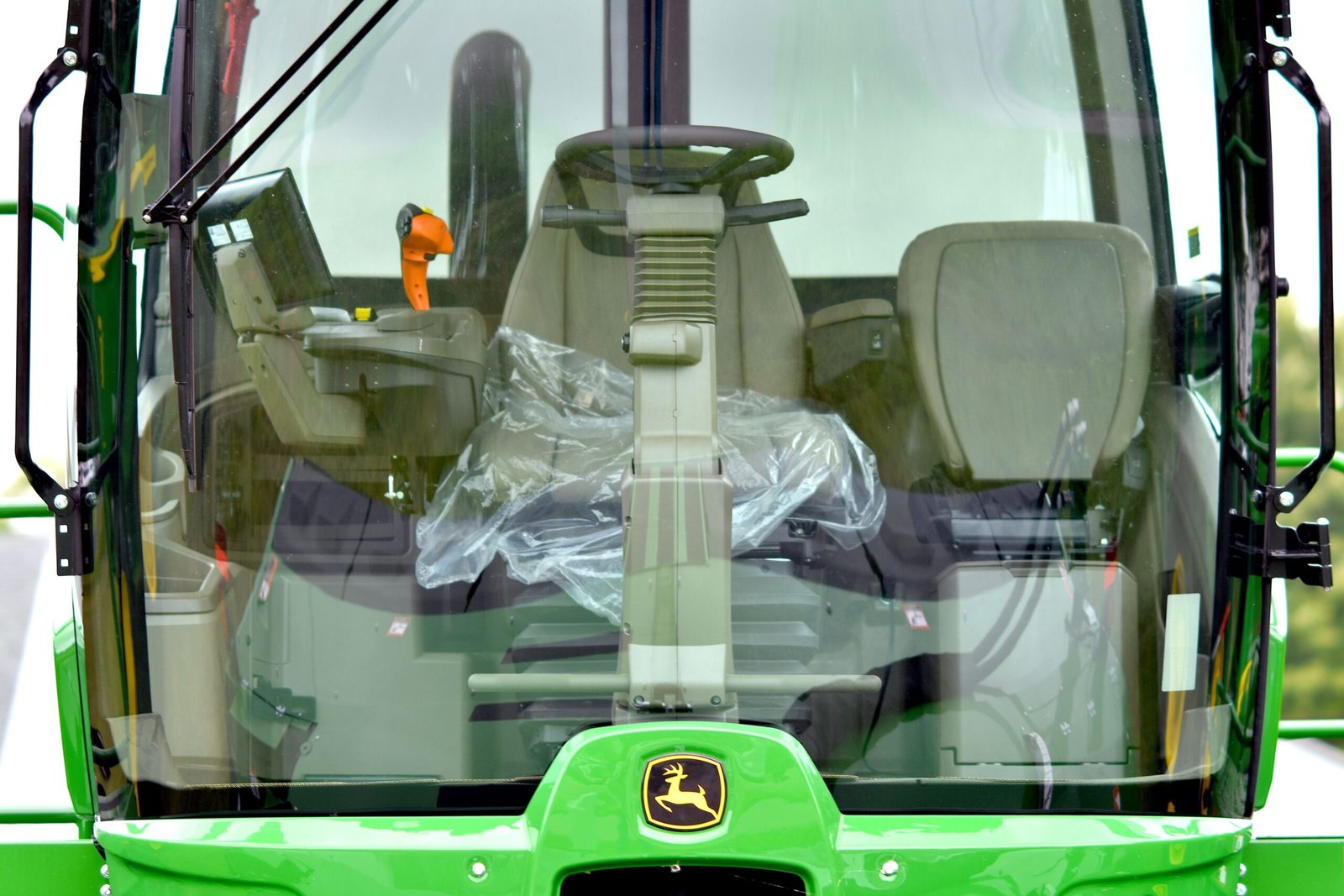
Why agricultural machine seats need practical protection
Farm machinery often works in dust, dry soil, crop residue and changing weather. Operators may enter the cab in dusty clothing after working outdoors, and long shifts can mean frequent contact with the seat. Across a season, friction, dirt and repeated use can make upholstery harder to keep clean and can leave the cab looking worn.
Tractors used for ploughing and cultivation may spend many hours crossing rough or uneven ground. Harvesters and combines work through crop residue and dust during busy harvest periods. The seat is a high-contact part of each cab, so choosing a cover that fits the actual seat and suits the working conditions can make routine care more manageable.
A seat cover is a protective layer, not a substitute for cleaning or maintenance. It cannot prevent every type of damage, but a suitable fitted cover can reduce direct contact between the original upholstery and ordinary dirt and abrasion from daily work.
Which farm machines may need seat covers?
Start with machines where an operator sits in a cab or on a driver’s seat. These commonly include tractors, harvesters and combines, self-propelled sprayers, loaders and other agricultural equipment. A tractor pulling a plough or planter still needs its cover selected for the tractor’s seat; the attached implement does not determine the seat fit.
Some farms also use utility vehicles and support vehicles alongside machinery. Those have different seat shapes and working patterns. If a farm needs covers for both agricultural machines and road vehicles, list them separately and provide the details for each one. A cover made for a tractor seat should not be assumed to fit a bakkie or a different machine, and vice versa.
Choose a material for the machine’s workload
Material selection should reflect how the machine is used and cleaned. Consider the amount of dust and crop residue in the cab, the length of operating shifts, how often operators change and whether clothing or equipment rubs against the seat. A hard-used tractor or harvester may need a more durable, easy-care option than machinery used occasionally for lighter work.
Stealth Seat Covers offers different material and finish options for vehicle applications. Discuss options such as durable synthetic polyester, Riptech or ripstop-style materials, and leather-look finishes with the team. The best choice depends on the specific seat, workload and care routine; do not choose a finish based only on appearance.
Before ordering, share clear details about the machine make, model, year and seat. Mention adjustable or integrated headrests, armrests, suspension seats and any unusual seat features. Photographs of the seat can help identify its layout, but the machine details should still be confirmed before a cover is specified.
Why a precise fit matters
Operators move in their seats while steering, turning to check equipment and getting in and out of the cab. A loose or poorly shaped cover can shift, wrinkle or bunch during use. A cover designed for the exact seat configuration is more likely to sit neatly and stay in place over the areas it is intended to protect.
Do not assume that two machines from the same manufacturer share an identical seat. Model year, trim, suspension and cab specification can affect the seat shape. Provide the exact machine information for every seat that needs a cover, especially when ordering for a fleet of tractors or a mix of tractors and harvesters.
Check seat safety and equipment before fitting
Some modern seats incorporate airbags, occupancy sensors, heating, suspension controls or other features. Check the machine manual and confirm that a proposed cover is compatible with the exact seat before fitting it. Do not cover a control, sensor or safety-related area. If the seat has a feature you are unsure about, ask the machine manufacturer or a qualified professional for guidance.
Plan covers across a farm fleet
For several machines, create a simple list showing each machine’s make, model, year, seat layout and typical work. Separate tractors used for cultivation from harvesters that work through crop residue, and note how many hours each machine is used during peak periods. This helps the team understand the actual application and discuss appropriate fit and material options for each seat.
Consistent seat protection across a fleet can help keep cabs tidier and make routine inspections simpler. Keep the covers clean according to the care guidance for the selected material, and check periodically that they remain fitted correctly. Regular cab cleaning and sensible maintenance remain important throughout the season.
Farm machinery seat covers in Limpopo
Stealth Seat Covers manufactures custom-fit covers for South African working conditions, with fitment at its premises in Polokwane, Limpopo. Farmers, agricultural contractors and machinery operators can contact the team to discuss a tractor, harvester or other machine’s make, model, year and seat configuration. Sharing the working conditions and cleaning routine can help when discussing a suitable option.
For related agricultural and earthmoving vehicle information, visit the Agricultural & Earthmoving seat cover page. You can also view the seat cover range for information about available materials and finishes.
Five checks before ordering farm machinery seat covers
1. Identify the exact machine
Record the make, model and year of every tractor, harvester or other agricultural machine. If you have several machines, list each one separately rather than relying on a general description.
2. Describe the seat configuration
Note the headrest, armrests, suspension seat, controls and any other features that affect the seat shape. Provide photographs if helpful, then confirm the details with the team before ordering.
3. Explain the daily work
Say whether the machine is used for ploughing, planting, spraying, harvesting or other farm work, and how long operators typically spend in the cab. This helps match the cover discussion to real conditions.
4. Discuss cleaning and material
Explain how much dust, crop residue or workwear reaches the cab and how the seat is cleaned. Discuss material choices based on practical use as well as appearance.
5. Check safety features and fitment
Review the machine manual for seat-related safety systems and confirm compatibility before fitting. Ask about fitment arrangements in Polokwane when enquiring.
Frequently asked questions
Can I get seat covers for a tractor in Limpopo?
Stealth Seat Covers can discuss a custom-fit option for a tractor seat. Provide the machine make, model, year and seat details so the fit can be checked.
Are tractor and harvester seat covers interchangeable?
No. Seat shape and features differ between machines, and sometimes between models of the same make. Specify each seat separately rather than assuming a tractor cover will fit a harvester.
Which material should I choose for dusty farm machinery?
The right material depends on the machine’s workload, the seat and the cleaning routine. Discuss the actual work conditions with the team before choosing among the available options.
Where is fitment carried out?
Fitment is carried out at Stealth Seat Covers’ premises in Polokwane, Limpopo. Contact the team with your machine and seat details to discuss arrangements.
Protect the seats in working farm machinery
Custom farm machinery seat covers can help keep tractor, harvester and other agricultural equipment cabs cleaner and more presentable through daily work. Match each cover to the specific seat, machine and workload. Contact Stealth Seat Covers with the make, model, year and seat configuration to discuss a suitable option.