


Quick answer: Tractor & agricultural seat covers should be matched to the exact seat, machine model and working conditions. Seat shape, suspension, controls and belt layout vary between machines. Send the make, model, year and clear seat photos to check pattern availability before choosing a material.
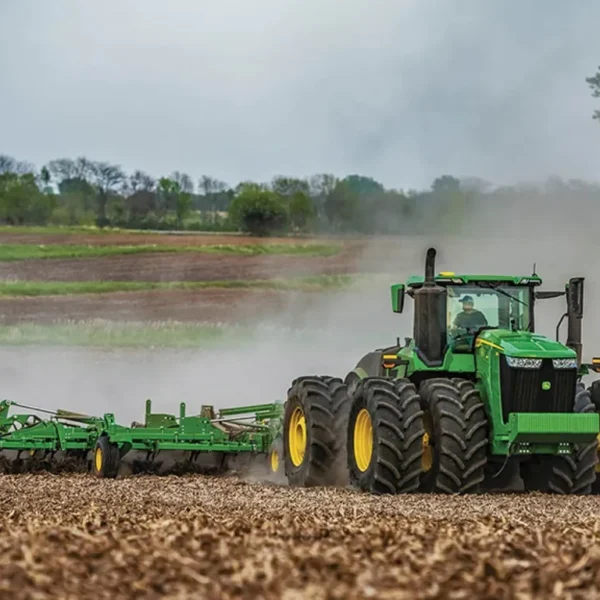
Tractor & agricultural seat covers for working machines
Tractors and farm equipment operate in dusty fields, orchards, livestock areas and work yards. Operators climb in and out, adjust the seat during long shifts and may bring grit, soil or work clothing into the cab. Repeated friction and exposure can wear original upholstery. A correctly selected cover adds a protective layer and can help make regular cleaning easier.
Not every machine uses the same seat. Suspension bases, armrests, headrests, seat belts, controls and seat shapes vary by make, model and year. Before asking about tractor & agricultural seat covers, identify the exact machine and photograph the seat from the front, both sides and rear. Include a wider cab view where possible.
Which farm equipment may need seat protection?
A pattern check may be relevant for tractor seats and other agricultural equipment, including loaders, harvesters and farm bakkies. Availability depends on the specific seat and the information available to assess it. For a mixed fleet, record each machine separately and label each photo set rather than assuming one cover fits several models.
Stealth Seat Covers is based in Polokwane, Limpopo. Customers can send machine details and location to ask about pattern availability and discuss fitment arrangements. Confirm the service location and timing directly before booking.
Choose material for the machine and care routine
Stealth Seat Covers offers materials such as Riptech Ripstop Canvas and leather. Options differ in feel, appearance and maintenance. Explain whether the machine is used in dry dust, mud, livestock areas or other conditions, and describe the normal cleaning routine. Ask which current material specifications are available for the exact seat and follow the supplied care guidance.
Do not assume every cover is waterproof, oil-resistant, chemical-resistant or suitable for outdoor storage. Confirm any performance claim in the current product specification before relying on it. A cover should also leave all seat controls, adjustment mechanisms and safety features accessible.
Check seat function and safety before fitting
Identify belts, buckles, adjustment levers, suspension movement and any operator-presence or other seat-mounted controls. During fitment, check that the cover does not obstruct a moving seat base or required controls. After installation, confirm the seat adjusts as expected and safety equipment remains accessible. Follow the machine manufacturer’s instructions and arrange a fitment review if the cover shifts or interferes with normal operation.
What to send for a pattern check
- Machine make, model, year and any variant or cab details.
- Photos of the seat from the front, sides and rear, plus the base and cab.
- Details of belts, armrests, suspension, controls and unusual fittings.
- How and where the machine is used, including location and cleaning routine.
For several machines, label every set of photos with the corresponding details. This helps the team assess each seat, explain available material options and confirm the next steps. Browse the custom seat-cover range or contact Stealth Seat Covers to request an assessment.
Planning orders for agricultural fleets
When comparing tractor & agricultural seat covers for several machines, create a separate record for every unit. Record the make, model, year, cab type and seat configuration, then label the matching photographs. Two machines from the same manufacturer can still have different seat shapes, controls or suspension bases. Do not order by brand name alone or assume that an earlier pattern fits a later model.
Before production, confirm the vehicle or machine details, selected material, colour, fitment plan and expected timing with the supplier. If a farm uses tractors alongside loaders, harvesters or service bakkies, identify which seats need attention first and check each pattern individually. This makes it easier to plan downtime and avoid confusing parts between machines.
Preserve seat movement and operator access
A cover must suit the full seat assembly, not only the visible cushion. Photograph armrests, belt anchors, controls, adjustment levers, suspension bellows and any operator-presence switch. Confirm that the chosen pattern leaves moving parts clear and does not restrict normal seat travel. Never modify a restraint, safety switch or manufacturer label to make a cover fit. If a cover shifts or catches during adjustment, stop using the seat until the fit has been checked.
For general operating safety, OSHA’s tractor safety guidance discusses ROPS and seat-belt use. It is US guidance; follow the machine maker’s manual and the requirements that apply to your operation in South Africa.
Care and fit checks during farm use
Use the care instructions for the exact material. Brush or remove loose soil before it is ground into the fabric, and use only approved cleaning products. After cleaning, allow the cover to dry as directed. During routine machine checks, look for movement around the seat base, loose straps, damaged seams or blocked controls. Recheck fit after removing or reinstalling a cover, and arrange a review if the seat no longer moves or adjusts normally.
Stealth Seat Covers is based in Polokwane, Limpopo. If the machine is at a farm or work site outside Polokwane, share the location and ask what fitment arrangements are currently available. Confirm travel, timing and costs before booking; do not assume on-site fitment is offered for every area.
Frequently asked questions
Can tractor & agricultural seat covers be made for my tractor model?
Suitability depends on the exact seat and pattern availability. Send the machine make, model, year and clear photos so the team can assess it.
Will one cover fit several tractor brands?
Not necessarily. Seats and features differ across makes and models. Confirm each machine separately before ordering.
Which material is suitable for a dusty farm?
Compare current material specifications with the machine’s work and cleaning routine. Ask the supplier how to clean the selected material and confirm any resistance claims.
Can I fit a cover over a suspension seat?
Suspension seats have moving parts and different shapes. Include photos of the base and controls, and confirm that the pattern allows normal seat movement and access.
Where is fitment available?
Stealth Seat Covers is based in Polokwane. Contact the team with your location to confirm current fitment arrangements and timing.
Request a tractor & agricultural seat covers pattern check
For tractor & agricultural seat covers, send the machine details, seat photographs, working conditions and location. Stealth Seat Covers can check pattern availability and discuss current materials and fitment arrangements before you decide.